
Vegetables
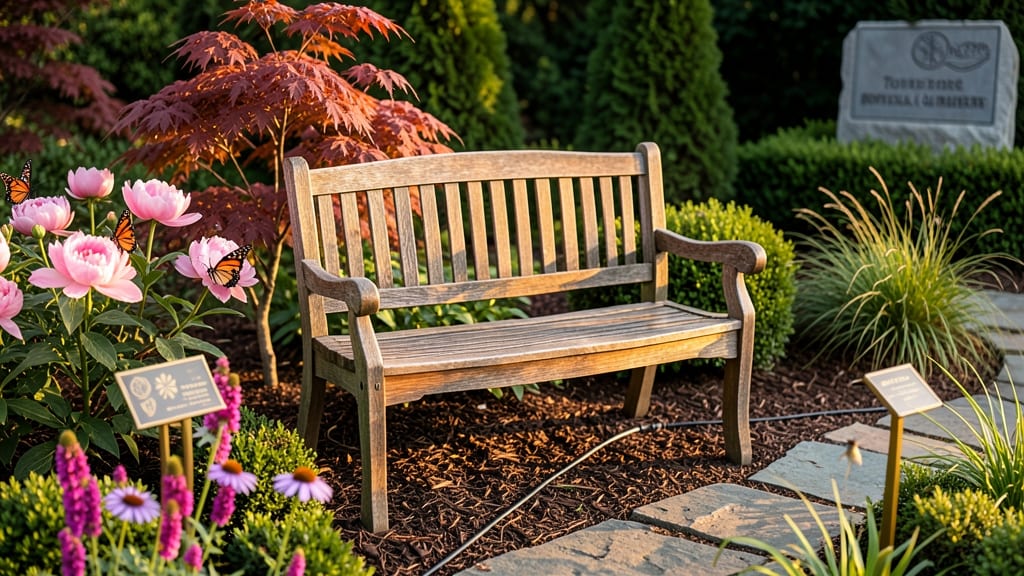
The Toronto Botanical Garden features immersive tours through its hidden trails, including the Medieval Garden and seasonal highlights like cherry blossoms in spring and winter woodland displays, offering expert-led exploration for all experience levels.
The Toronto Botanical Garden isn't just a collection of plants—it's a living classroom where you can wander through centuries-old herb gardens or stroll beneath delicate cherry blossoms in spring. 🌸 What sets it apart is how the garden curates its spaces: the Medieval Garden recreates 14th-century apothecary plots, while the native plant zones showcase Ontario's hardy species.
These carefully designed areas transform with each season, offering something new whether you visit in the height of summer or during the quiet beauty of winter.
Beyond the main attractions, the garden hides smaller gems like the Pollinator Paradise, where bees and butterflies thrive, and the Children's Garden, designed to spark curiosity in young visitors.
The guided tours make it easy to uncover these secrets—whether you're a plant enthusiast or just looking for a peaceful escape. I always recommend checking the seasonal bloom calendar before your visit, as timing can make all the difference in what you experience.
💡 In This Article
- Exploring Toronto Botanical Garden’s Unique Plant Collections
- Planning Your Visit: Tour Tips for Every Season
Exploring Toronto botanical garden’s unique plant collections
The Toronto Botanical Garden’s plant collections aren’t just visually stunning—they’re carefully curated to showcase ecological relationships and historical plant use. Take the Medieval Garden, for example: it recreates a 14th-century apothecary garden with plants like lavender (used for headaches) and rosemary (believed to improve memory).
These herbs thrive in Toronto’s Zone 6a climate, where cold winters and warm summers create ideal conditions for hardy Mediterranean species. The garden’s horticulturists select plants that would have survived in medieval Europe, demonstrating how climate influences plant selection over centuries.
Seasonal transformations are another highlight. In spring, the 1,200 cherry blossoms in the Japanese Garden create a pink canopy, while winter brings evergreen displays like the 150-year-old blue spruce and holly berries that feed local birds.
The garden’s native plant collection features over 300 Ontario species, including trilliums and bloodroot, which play crucial roles in supporting pollinators. These plants are chosen for their ability to thrive in Toronto’s urban ecosystem, often requiring less water and maintenance than exotic species.
For visitors interested in rare specimens, the orchid collection offers a glimpse into tropical biodiversity. With over 500 varieties, including the Cattleya labiata (a prized orchid with vibrant purple blooms), the garden demonstrates how different humidity and light conditions create ideal growing environments.
The glasshouse orchid display maintains a 70-80% humidity level and 75-85°F temperatures to mimic their natural tropical habitats, showing how microclimates enable tropical plants to flourish in Canada’s cooler climate.
What makes these collections so engaging is their educational value. Each plant label includes details about its historical uses, ecological role, and growth requirements. For instance, the winterberry holly in the woodland garden isn’t just ornamental—its red berries provide food for birds during harsh winters.
This dual focus on beauty and function transforms a simple garden walk into a lesson in plant ecology and horticultural science.
The garden also highlights pollinator-friendly plants like bee balm and coneflowers, which attract bees and butterflies. These species are strategically placed throughout the garden to demonstrate their importance in maintaining healthy ecosystems.
Visitors can observe bees collecting nectar from purple coneflowers or monarch butterflies feeding on milkweed, offering a living example of plant-animal interactions.
If you’re planning a visit, timing matters. Spring brings the cherry blossoms, while fall showcases vibrant foliage like the Japanese maples with their fiery red leaves.
The garden’s layout encourages exploration, with winding paths that lead to hidden corners like the sensory garden, where plants are chosen for their textures and scents—from fuzzy lamb’s ear to fragrant thyme. This thoughtful design ensures every visit reveals something new, whether you’re returning season after season.