
Vegetables
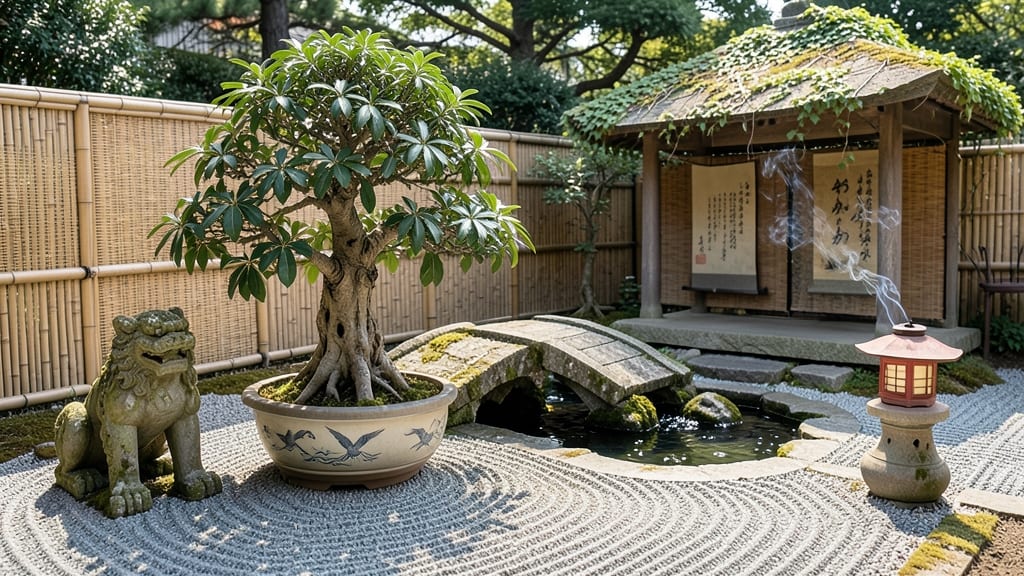
The Chinese Scholar Garden in Staten Island recreates authentic Ming Dynasty landscapes with harmonious koi ponds, stone bridges, and living art through bonsai displays—ideal for experiencing traditional Chinese gardening philosophy in a peaceful outdoor setting.
The Chinese Scholar Garden in Staten Island isn't just a garden—it's a living classroom of classical Chinese landscape design, where every element follows strict philosophical principles. 🌿 The garden's layout mirrors the yin-yang balance seen in traditional Chinese art, with water features representing harmony and tranquility, while carefully placed rocks symbolize stability.
Visitors can observe how plum blossoms and bamboo are strategically placed to create seasonal interest, reflecting the garden's connection to nature's cycles.
What makes this garden special is its attention to detail—from the stone bridges that guide visitors through meditative pathways to the meticulously pruned bonsai trees that showcase centuries-old techniques.
The garden's design principles, rooted in Ming Dynasty aesthetics, offer a serene escape while providing practical insights into how to incorporate these elements into your own outdoor spaces.
💡 In This Article
- Design Principles Behind Staten Island’s Chinese Scholar Garden
- Best Times and Tips for Visiting the Garden’s Hidden Spots
Design principles behind Staten Island’s Chinese scholar garden
The garden’s layout follows Ming Dynasty scholar principles, where every element serves a philosophical purpose. The central koi ponds represent water’s life-giving flow, while their placement mirrors the yin-yang balance—water as yin (soft, receptive) contrasts with surrounding rocks as yang (hard, active).
This duality creates visual harmony, much like how traditional Chinese paintings use ink washes to balance light and dark. 🌊
Rock formations aren’t random—they’re carefully selected for their geometric shapes and textures, often resembling famous mountains like Huangshan. The largest boulders anchor pathways, symbolizing stability, while smaller stones create natural stepping stones.
Plants like bamboo (symbolizing resilience) and plum blossoms (representing winter hope) are placed to frame views and guide the eye through seasonal changes. Even the pavilions follow this logic, with curved roofs channeling rainwater to the ponds below.
What’s fascinating is how these principles translate to modern gardening. The garden’s asymmetrical balance (a key Ming Dynasty technique) teaches that perfection lies in imperfection—no two rocks or plants are identical, yet together they create unity.
For example, the three-tiered stone bridge isn’t just decorative; its uneven steps encourage mindful walking, a practice tied to Daoist meditation. This intentional design makes the garden both a work of art and a functional space for reflection.
Seasonal plant rotations reveal another layer: cherry blossoms in spring give way to chrysanthemums in autumn, mirroring China’s agricultural calendar. The garden’s creators use this cycle to teach visitors how to design their own spaces with year-round interest.
Even the bonsai displays follow these rules—each tree’s pruning reflects its "personality," whether bold or delicate, tying back to the garden’s core philosophy of harmony within diversity.
One standout feature is the moon gate, a classic Ming Dynasty element that frames distant views while keeping the garden’s inner spaces intimate. This technique creates a sense of discovery, much like solving a puzzle.
The garden’s 1.5-acre scale might seem small, but its meticulous planning makes every inch feel expansive—proof that in Chinese design, less is more, and every detail matters.
For plant enthusiasts, the garden’s native species selection is a masterclass. Unlike Western gardens that prioritize exotic plants, this garden uses hardy, low-maintenance varieties like Japanese maples and pine trees that thrive in Staten Island’s climate.
The result? A space that’s both authentically Chinese and practical for modern gardeners looking to incorporate these techniques into their own yards.