
Lawn
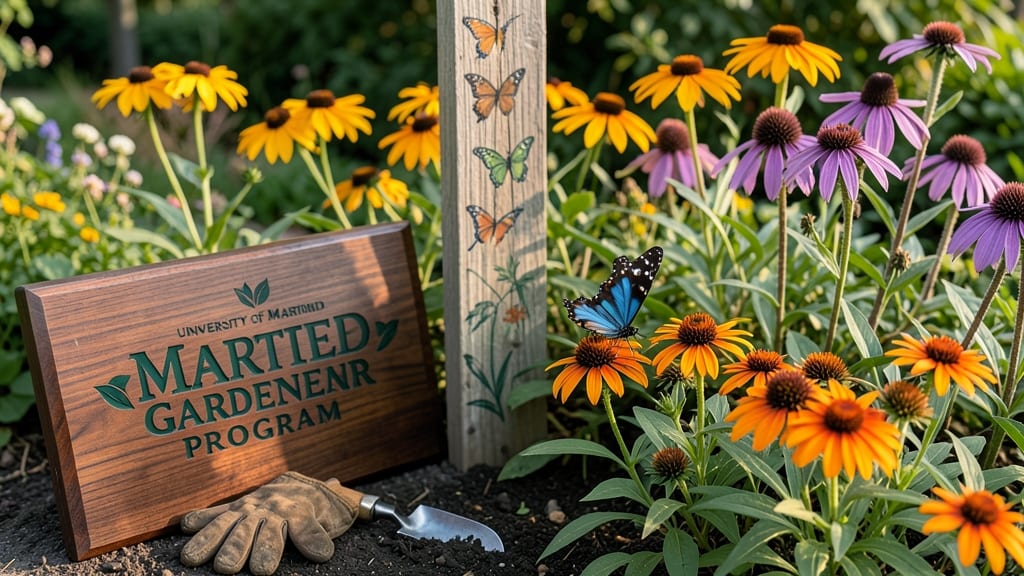
Maryland Master Gardeners programs train volunteers to provide research-based gardening expertise, helping communities grow healthier plants and sustainable landscapes through education and outreach initiatives. Applications open annually with county-specific requirements.
The Maryland Master Gardeners program is a fantastic way for green-thumbed volunteers to turn their passion into actionable community impact. 🌱 After completing a rigorous 40-hour training course covering plant science, pest management, and sustainable gardening, volunteers gain certification to advise home gardeners through county extension offices.
This isn't just about sharing tips—it's about creating real change through school garden programs, plant clinics, and environmental education initiatives that strengthen local ecosystems.
What sets this program apart is its hands-on approach. Volunteers don't just learn theory—they get practical experience diagnosing plant problems, designing demonstration gardens, and teaching workshops tailored to Maryland's unique climate zones.
The program even offers specialized tracks for urban gardeners or organic farming enthusiasts, ensuring volunteers can focus on areas that match their interests and skill levels.
If you're ready to make a difference while deepening your own gardening knowledge, this is the perfect opportunity. The application process varies slightly by county, but most require a background check and commitment to completing at least 50 volunteer hours annually after certification.
Many graduates say the best part is seeing their expertise directly improve community spaces and help neighbors grow thriving gardens.
💡 In This Article
- How Maryland Master Gardener Training Works
- Top Volunteer Roles for Maryland Master Gardeners
How Maryland Master Gardener training works
The Maryland Master Gardener training program is designed to transform passionate gardeners into certified horticulture experts through a blend of classroom instruction and hands-on experience. The core curriculum spans approximately 40 hours of instruction, covering essential topics like plant pathology, entomology, soil science, and sustainable landscaping practices.
What makes this program unique is its emphasis on Maryland-specific challenges, such as managing invasive species like Japanese stiltgrass or addressing soil depletion in urban areas. 🌱 Each county may add localized modules, such as urban agriculture in Baltimore County or native plant restoration in Garrett County.
Hands-on learning is a cornerstone of the program. Participants engage in workshops where they practice diagnosing plant diseases, identifying pests, and designing demonstration gardens.
For example, trainees often work with real samples brought in by community members during plant clinics, giving them practical experience with common issues like powdery mildew or black spot on roses. The program also includes field trips to botanical gardens or research farms, where volunteers observe advanced horticultural techniques firsthand.
This approach ensures graduates aren't just memorizing facts—they're gaining the skills to solve real-world gardening problems.
Certification requires completing the training and fulfilling 50 volunteer hours within the first year, with ongoing annual requirements to maintain active status. This commitment ensures volunteers stay engaged and up-to-date with the latest research from the University of Maryland Extension.
The training also covers communication skills, so volunteers learn how to explain complex horticultural concepts in accessible ways—whether they're speaking to a home gardener or teaching a classroom of children. 💫 This dual focus on science and outreach is what sets Maryland's program apart from similar initiatives nationwide.
One of the most rewarding aspects of the training is the mentorship component. New volunteers are paired with experienced Master Gardeners who guide them through their first projects.
For instance, in Anne Arundel County, mentors often help trainees set up their first plant clinic or lead a workshop at a local library. This one-on-one support not only builds confidence but also creates a network of peers who share resources and best practices.
The program even offers advanced training opportunities, such as becoming a certified arborist or specializing in organic gardening techniques.
What many participants don't realize is how the training translates into immediate community impact. For example, volunteers trained in pest management can help residents avoid using harmful chemicals, while those focused on sustainable practices might lead workshops on rain gardens or composting.
The program's curriculum is constantly updated to reflect the latest research, ensuring volunteers are equipped to address emerging challenges like climate change impacts on local flora. This combination of rigorous training and real-world application is what makes the Maryland Master Gardener program so effective.
The certification process itself is straightforward but thorough. After completing the training and volunteer hours, participants receive a certificate and an official pin, symbolizing their commitment to horticultural excellence. Counties may also provide branded materials, like business cards or workshop guides, to help volunteers represent the program professionally.
This recognition not only validates their expertise but also opens doors to collaboration with local government, schools, and nonprofits. 🌟