
Advice
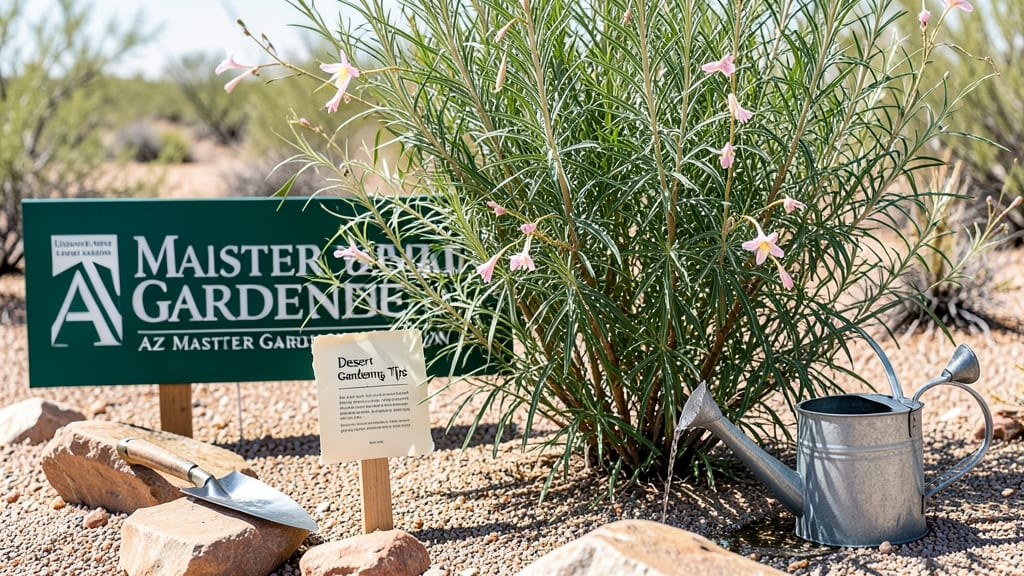
The Master Gardener Program in Arizona trains volunteers to support sustainable gardening, pest management, and community education through a rigorous 120-hour curriculum covering botany, soil science, and horticulture. Applicants must complete an application, pass a background check, and commit to 50 hours of volunteer service annually.
The Master Gardener Program in Arizona is designed to equip volunteers with science-based gardening skills tailored to the state's desert climate. 🌵 Through hands-on training, participants learn how to manage water efficiently, identify native plants, and address common pests without harmful chemicals.
This program isn't just about gardening—it's about building a network of knowledgeable volunteers who can transform communities through sustainable practices.
What sets Arizona's program apart is its focus on water conservation and desert-adapted plants, which are critical in a region facing drought challenges. The 120-hour curriculum ensures volunteers gain practical expertise that they can immediately apply to their gardens or share with others.
Many graduates go on to lead community gardens or assist local extension offices, making a real difference in how Arizona residents approach gardening.
💡 In This Article
- Arizona Master Gardener Training Curriculum Breakdown
- Step-by-Step Guide to Applying for Arizona’s Master Gardener Program
Arizona Master gardener training curriculum breakdown
The Arizona Master Gardener Program's 120-hour curriculum is meticulously designed to address the state's unique environmental challenges while teaching foundational gardening science. About 40 hours focus on botany and plant physiology, covering everything from cellular structures to how desert plants like palo verde trees thrive with minimal water.
You'll dive into plant taxonomy, learning to identify over 100 native species that require special care in Arizona's climate.
Water conservation is a core 25-hour module that stands out in this program. Arizona's Master Gardeners learn about xeriscaping principles, soil moisture monitoring techniques, and how to calculate evapotranspiration rates for different plant types.
The curriculum includes hands-on demonstrations with soil moisture sensors and drip irrigation systems, showing how to reduce water usage by up to 60% while maintaining healthy gardens. 💧 This practical approach ensures volunteers can immediately apply these techniques in their own landscapes or when advising others.
Integrated pest management (IPM) receives 20 dedicated hours, teaching volunteers how to identify pests and diseases specific to Arizona's ecosystem. The program emphasizes biological controls over chemical solutions, covering everything from beneficial insects like lady beetles to proper pruning techniques that prevent fungal infections.
You'll learn to recognize early signs of cactus moth infestations or citrus greening disease, which are particularly problematic in the region, and how to implement cultural practices that prevent outbreaks.
Soil health gets 15 hours of focused instruction, addressing Arizona's common soil challenges like caliche layers and high pH levels. The curriculum teaches how to conduct soil tests, interpret results, and amend soil using local materials like composted biosolids or crushed granite.
You'll explore how mycorrhizal fungi can improve water uptake in desert plants by up to 40%, and how to build healthy soil structures in sandy or rocky terrain that dominates much of the state.
The remaining 20 hours cover communication skills, volunteer management, and community education techniques. You'll practice developing workshop presentations and creating educational materials tailored to Arizona audiences.
Many graduates use these skills to lead Master Gardener clinics at local farmers markets or school gardens, where they demonstrate proper mulching techniques or explain how to grow food in containers with limited water.
What makes this program truly special is its field-based learning component. About 30 hours are spent in outdoor settings, including visits to demonstration gardens, nurseries, and agricultural research stations across the state.
These experiences allow you to see firsthand how theoretical concepts apply in real-world desert conditions, from managing agave rust infections to establishing drought-tolerant ground covers.