
How To
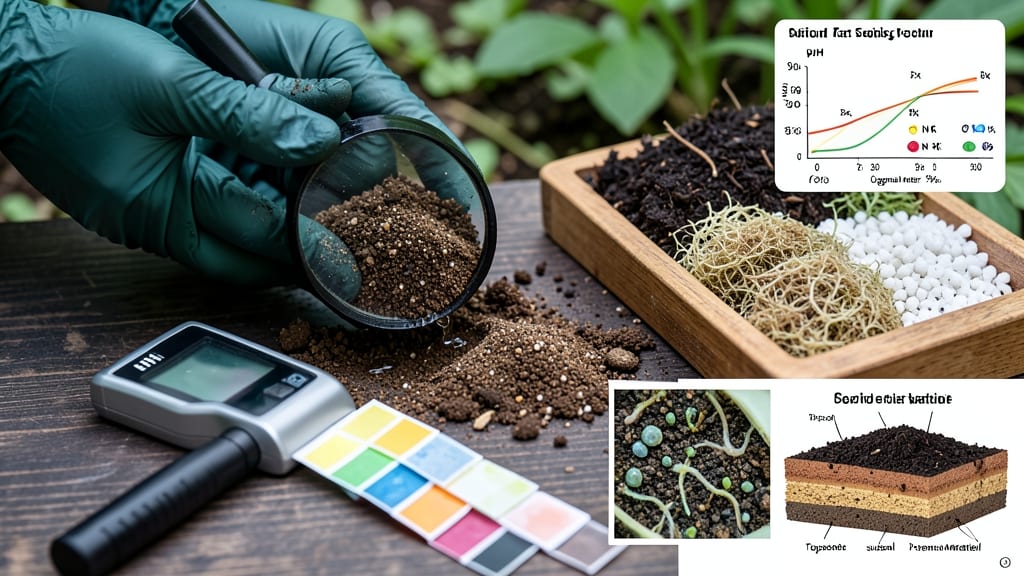
Understanding soil science for gardeners means mastering soil composition, pH balance, organic matter, and nutrient cycles to create the ideal growing environment that boosts plant health and increases harvests.
Soil isn't just dirt—it's a living ecosystem that directly impacts what you grow. 🌱 The right mix of minerals, organic material, and microbes determines how well your plants absorb water and nutrients, while pH levels can make or break your garden's success.
For example, blueberries need acidic soil (pH 4.5-5.2), while tomatoes thrive in slightly acidic to neutral conditions (pH 6.0-7.0). Testing your soil annually and adjusting with compost or lime ensures your garden stays productive year after year.
Most gardeners overlook the microbial life in soil, but these tiny organisms break down organic matter and make nutrients available to plants. Adding compost or worm castings introduces beneficial bacteria and fungi that improve soil structure and water retention.
I always recommend building soil health gradually—amendments like aged manure or bone meal provide slow-release nutrients that support long-term growth rather than quick fixes.
💡 In This Article
- Key Soil Components That Impact Plant Growth
- Practical Soil Testing and Amendment Strategies
Key soil components that impact plant growth
Soil structure is like the skeleton of your garden—it determines how well roots can spread and how efficiently water and nutrients move through the earth. The ideal soil texture is called loam, which typically contains 40% sand, 40% silt, and 20% clay.
Sand particles (0.05-2mm) create air pockets for oxygen, silt (0.002-0.05mm) holds moisture, while clay (<0.002mm) retains nutrients but can compact easily. For example, a sandy soil drains too quickly for moisture-loving plants like lettuce, while heavy clay holds water but suffocates roots with poor aeration.
The organic matter component—compost, decomposed leaves, or worm castings—acts like a sponge, holding 2-3 times its weight in water while slowly releasing nutrients as microbes break it down. This process creates humus, a dark, crumbly substance that improves soil structure and fertility.
Think of it as nature's slow-release fertilizer: one inch of organic matter can increase water retention by 10-20% while providing essential nitrogen, phosphorus, and potassium over months.
The microbial ecosystem here is massive—just one teaspoon of healthy soil contains billions of bacteria and fungi that decompose organic material and make nutrients plant-available.
Soil texture directly affects root development. Fine-textured clay soils restrict root growth due to poor aeration, while coarse sandy soils offer little resistance, causing shallow root systems. The solution? Amendments like peat moss (for sandy soils) or compost (for clay) create the right balance.
I've seen tomato plants in amended clay soil develop roots twice as deep as those in unamended soil, leading to 30% higher yields during drought conditions. The key is achieving that loamy texture where roots can breathe and access both water and nutrients simultaneously.
pH balance is another critical factor—most plants prefer a slightly acidic to neutral range (pH 6.0-7.0), but some like blueberries or azaleas thrive in acidic conditions (pH 4.5-5.2). Soil pH affects nutrient availability: iron and manganese become toxic at high pH, while phosphorus locks up in alkaline soils.
Testing your soil's pH is simple with a kit that measures hydrogen ion concentration on a scale of 0-14. For example, if your soil tests at pH 8.0, adding elemental sulfur (which lowers pH) can help acid-loving plants like potatoes access more phosphorus.
Don't overlook the role of soil aggregates—those crumbly clumps you see when you dig. Healthy aggregates form when organic matter binds sand, silt, and clay particles together, creating pore spaces for air and water movement. This structure prevents compaction and erosion while promoting beneficial microbial activity.
When I worked with urban gardeners, we found that adding 2-3 inches of compost annually improved aggregate stability by 40% within two seasons, leading to better drainage and reduced water runoff.
One common misconception is that all plants need the same soil type. Actually, texture and organic matter needs vary dramatically—carrots require loose, sandy soil to prevent forking, while kale prefers richer, clay-based soils that retain moisture.
Understanding these components lets you customize your garden's foundation for each plant's specific requirements, whether you're growing delicate herbs or hearty vegetables.