
Neem Oil
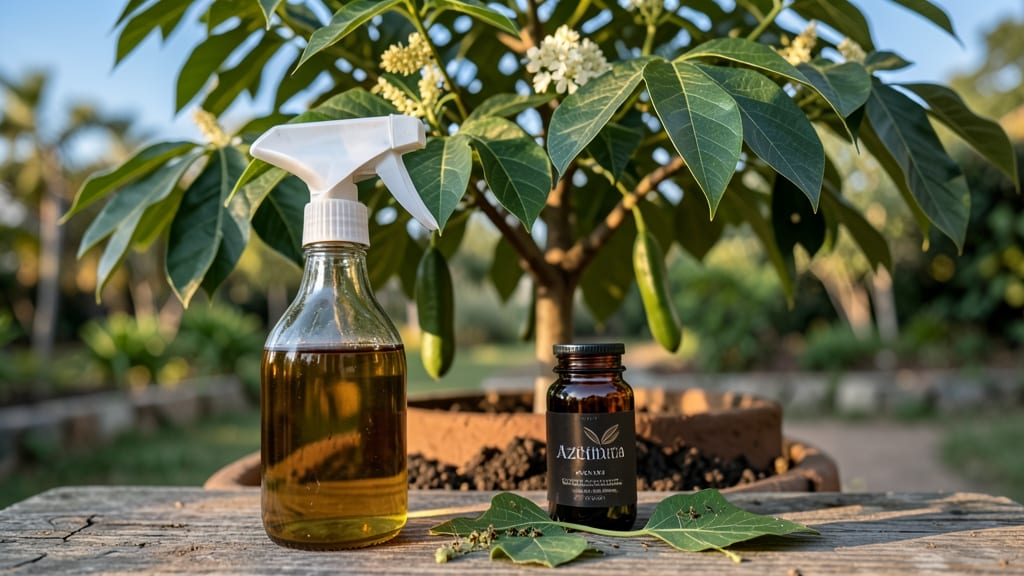
Neem oil for organic gardening serves as a powerful natural pesticide, fungicide, and soil enhancer, effectively repelling pests like aphids and spider mites while supporting plant vitality without harsh synthetic chemicals. Its key active compound, nimbin, interferes with insect life cycles and boosts plant defenses.
This versatile oil works through multiple mechanisms—it disrupts insect feeding patterns, deters fungal growth, and even improves soil structure when used correctly. 🌱 For best results, I recommend diluting it with water and a mild soap (like castile) to help it adhere to plant surfaces.
The key is consistency: applying it every 7-14 days during growing seasons prevents pests from building resistance.
What sets neem oil apart is its dual action: it not only kills existing pests but also acts as a deterrent for future infestations. Many gardeners swear by it for leaf spot diseases and powdery mildew, where chemical fungicides often fail.
The best part? It's safe for organic certification when used properly—just avoid spraying during peak pollinator hours to protect bees.
💡 In This Article
- How Neem Oil Works as a Natural Plant Protector
- DIY Neem Oil Spray Recipes for Targeted Garden Use
How neem oil works as a natural plant protector
Neem oil's power as a natural plant protector comes from its complex chemical profile, where nimbin and azadirachtin act like a biological Swiss Army knife. Nimbin disrupts insect feeding patterns by interfering with their growth hormones, causing abnormal molting and sterility in pests like aphids and whiteflies.
Meanwhile, azadirachtin acts as a feeding deterrent—its bitter taste makes insects avoid treated plants entirely. This dual approach explains why neem oil is effective against over 200 species of insects while being harmless to humans and beneficial insects when used correctly.
The antifungal properties come from salannin and gedunin, which inhibit fungal spore germination and mycelial growth. These compounds create a hostile environment for pathogens like powdery mildew and leaf spot by disrupting cell membrane integrity.
What's fascinating is how neem oil also stimulates plant defenses—studies show it triggers phenolic compound production in plants, creating natural protective barriers against future attacks. The oil's 1% concentration is typically sufficient for most applications, but stronger solutions (up to 3%) can be used for severe infestations.
For soil health, neem oil works through microbial stimulation rather than direct action. When applied as a soil drench (1 tablespoon per gallon of water), it promotes beneficial bacteria and fungi while suppressing harmful pathogens.
The key mechanism here is its ability to reduce soil-borne disease pressure by up to 70% in some cases. This happens because neem's compounds create an environment where beneficial microbes thrive—similar to how compost teas work, but with a more targeted approach against specific pathogens.
One often-overlooked aspect is neem oil's volatile organic compounds (VOCs), which create a subtle but effective repellent effect. These compounds evaporate slowly, leaving a protective aroma that deters pests even after application.
The oil's golden-brown color and bitter almond scent are telltale signs of its potency—stronger oils will have more pronounced aromas. This sensory aspect is crucial because many gardeners can judge effectiveness simply by smell before even applying it.
Temperature plays a surprising role in neem oil's effectiveness. Below 60°F, the oil becomes less effective as its compounds slow down, while above 90°F, it can volatilize too quickly. The sweet spot is 70-85°F, where application timing matters most.
Early morning applications (before 10 AM) allow the oil to settle on plant surfaces before heat causes rapid evaporation. This timing also protects pollinators, as bees are less active during cooler hours.
What most gardeners don't realize is neem oil's residual effect lasts about 7-14 days when properly applied. This persistence comes from its ability to form a thin protective film on plant surfaces.
However, this same property means it can clog stomata (plant pores) if overused—never exceed 3 applications per month to avoid phytotoxicity. The key is balance: enough to protect plants, but not so much that it harms their natural functions.
For maximum effectiveness, combine neem oil with potassium soap (1 teaspoon per quart)—this helps the oil spread and adhere to plant surfaces. The soap acts like a natural surfactant, breaking surface tension so the oil can coat leaves more thoroughly.
This combination creates what I call the "neem soap synergy," where the soap enhances the oil's contact time with pests by 20-30%. 🌿