
Advice
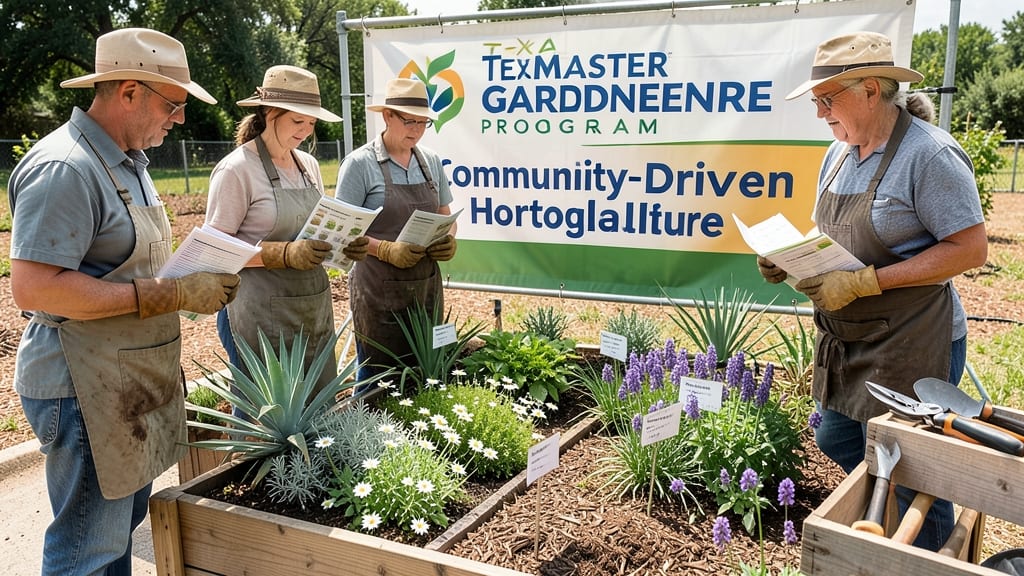
The Texas Master Gardener Program trains volunteers in horticulture and sustainable gardening through 40-60 hours of classroom instruction, followed by 50 hours of supervised service. Applicants must pass a background check and pay a nominal fee, with programs offered county-wide through Texas A&M AgriLife Extension.
This volunteer program transforms gardening enthusiasts into community educators by blending hands-on horticulture training with real-world service. 🌱 Through Texas A&M AgriLife Extension, participants learn practical skills like soil health, pest management, and sustainable landscaping—all while gaining certification to advise others.
The 50-hour service requirement ensures volunteers apply their knowledge directly, often through community gardens or school programs.
What sets this program apart is its research-backed curriculum, developed by Texas A&M experts. Whether you're a beginner or seasoned gardener, the structured approach helps you master key techniques while contributing to local environmental goals. Plus, the county-wide network means you'll connect with fellow green thumbs across Texas.
💡 In This Article
- Texas Master Gardener Training Curriculum Breakdown
- Step-by-Step Guide to Applying for the Texas Master Gardener Program
Texas master gardener training curriculum breakdown
The Texas Master Gardener Program's curriculum is built on four core pillars that form the foundation of modern horticulture: soil science, plant pathology, entomology, and landscape design.
Each module runs approximately 10-15 hours of classroom instruction, combining lectures from Texas A&M AgriLife Extension specialists with hands-on demonstrations. For example, the soil science component dives into Texas-specific soil types like caliche and blackland prairie soils, teaching pH testing methods and organic matter analysis using lab equipment.
What makes this program unique is its emphasis on research-based solutions rather than generic gardening advice.
The plant pathology section, for instance, covers Texas-specific pests like the sudden oak death pathogen and citrus greening disease, using case studies from the Texas A&M Plant Disease Diagnostic Lab. 🌱 The entomology module goes beyond basic pest identification to teach integrated pest management (IPM) techniques, including biological controls like parasitic wasps for controlling aphids in vegetable gardens.
The curriculum also incorporates sustainable gardening practices that align with Texas' environmental challenges, such as water conservation techniques for xeric landscapes and native plant selection. Students learn to calculate irrigation efficiency using evapotranspiration data from local weather stations, a skill that directly translates to real-world water savings.
The landscape design component teaches hardscape integration with native plantings, complete with scaled drawings and material cost analyses.
Teaching methods blend traditional lectures with interactive elements like field trips to research stations and group projects analyzing plant health in local communities.
For example, students might visit the Texas A&M AgriLife Research and Extension Center at Overton to observe soil moisture sensors in action, then apply those principles to a community garden project. This hands-on approach ensures volunteers don't just memorize facts but develop practical problem-solving skills.
The program's alignment with Texas A&M's research standards means all materials are peer-reviewed and updated annually. When you complete the training, you'll receive certification that's recognized statewide, backed by the university's reputation for agricultural science. This isn't just gardening education—it's applied horticultural science with immediate community impact.
One often-overlooked aspect is the continuing education requirement: 10 hours annually of advanced training to maintain certification. This keeps volunteers current on emerging issues like invasive species management or climate-adaptive gardening techniques.
The program's flexibility allows you to specialize in areas like urban agriculture or school garden programs while maintaining core competencies.