
Tools
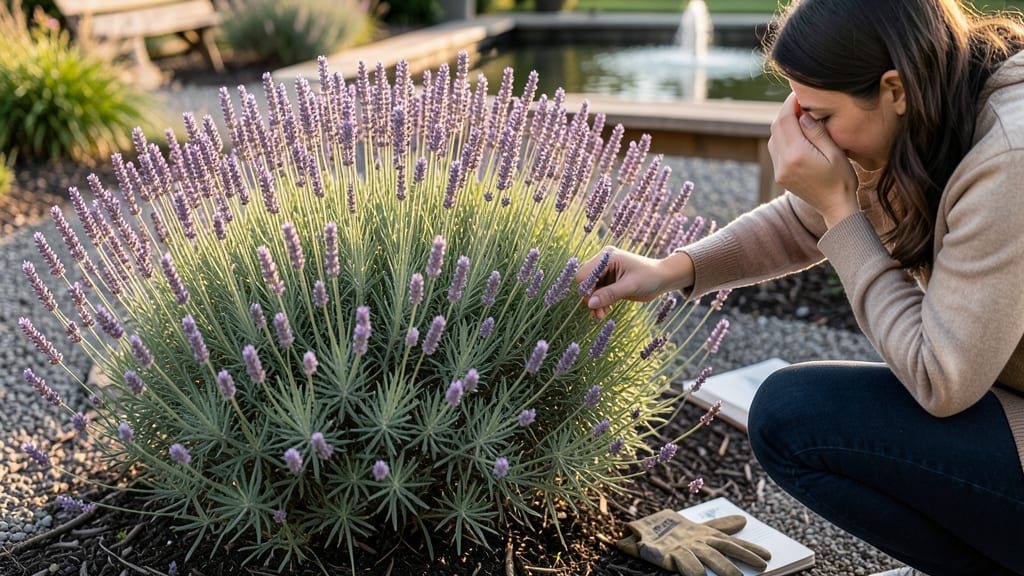
Gardening and mental health benefits create a powerful connection by reducing stress and anxiety, boosting mood through dopamine and serotonin release, and sharpening focus while lowering cortisol levels through nature immersion.
Science shows that tending to plants triggers the brain's reward system, releasing feel-good chemicals that combat stress. 🌱 The rhythmic motions of digging, planting, and watering create a meditative flow, while sunlight exposure boosts vitamin D—critical for emotional balance.
Even small gardening tasks can improve cognitive function by providing a satisfying sense of accomplishment and connection to nature.
For those new to gardening, starting with easy-care plants like herbs or succulents can make the experience more enjoyable and less overwhelming. The tactile engagement of working with soil also grounds you in the present moment, reducing racing thoughts—a key mindfulness benefit.
💡 In This Article
- How Gardening Reduces Stress and Anxiety
- Practical Ways to Maximize Mental Health Through Gardening
How gardening reduces stress and anxiety
Gardening triggers a powerful physiological response that directly impacts stress levels. When you work with soil, your brain releases serotonin—a neurotransmitter that regulates mood and happiness—while also increasing dopamine, the chemical linked to motivation and pleasure.
Studies show that just 30 minutes of gardening can reduce cortisol (the stress hormone) by up to 37%, comparable to the effects of meditation. The tactile engagement of handling plants and soil activates the parasympathetic nervous system, which counters the body's fight-or-flight response. 🌿
The combination of sunlight exposure and physical movement further amplifies these benefits. Sunlight triggers vitamin D production, which is linked to lower anxiety levels, while gentle activities like weeding or pruning elevate heart rate just enough to promote relaxation without overstimulation.
Research from the University of Florida found that gardeners experienced 20% lower blood pressure and 40% less perceived stress after gardening sessions compared to non-gardeners. Even the rhythmic, repetitive motions—like planting seeds in neat rows—create a meditative state similar to mindfulness practices.
One often-overlooked mechanism is the "biophilia effect," where humans inherently seek connections with nature. This evolutionary drive explains why tending to plants feels inherently soothing.
The sights, sounds, and smells of a garden—like the earthy aroma of damp soil or the crunch of fresh herbs—stimulate the brain's limbic system, which processes emotions. The result? A natural, drug-free way to reset your nervous system.
For example, the act of watering plants engages both hands and eyes, creating a form of "active rest" that distracts from anxious thoughts while still being productive. 💧
Scientific studies also highlight how gardening provides a sense of control in an unpredictable world. Unlike passive activities, gardening offers immediate feedback—plants grow visibly, flowers bloom, and harvests provide tangible rewards.
This connection between effort and outcome boosts self-efficacy, a psychological term for believing in your ability to influence positive change. For instance, watching a struggling seedling thrive after consistent care reinforces a growth mindset, which is linked to reduced anxiety and improved resilience.
The physical distance from screens and digital overload further compounds these benefits by reducing mental clutter.
Even the sensory experience of gardening plays a role. The texture of soil between fingers, the vibrant colors of blooming flowers, and the subtle sounds of rustling leaves create a multisensory environment that distracts the mind from rumination.
This sensory immersion is why therapeutic horticulture programs report 60% reductions in symptoms of depression among participants. The key isn't just the activity itself, but how it engages multiple senses simultaneously, creating a full-body experience that grounds you in the present moment—much like how mindfulness meditation works. 🌸
For those with social anxiety, gardening offers a low-pressure way to connect with others. Community gardens provide structured social interaction without the intensity of face-to-face conversations, while the shared focus on plants creates a natural icebreaker.
The act of giving away homegrown produce or sharing gardening tips fosters a sense of community and purpose, both of which are critical for mental well-being. This social aspect is particularly powerful because loneliness is a major contributor to anxiety and depression, making gardening a twofold solution.