
Fertilization
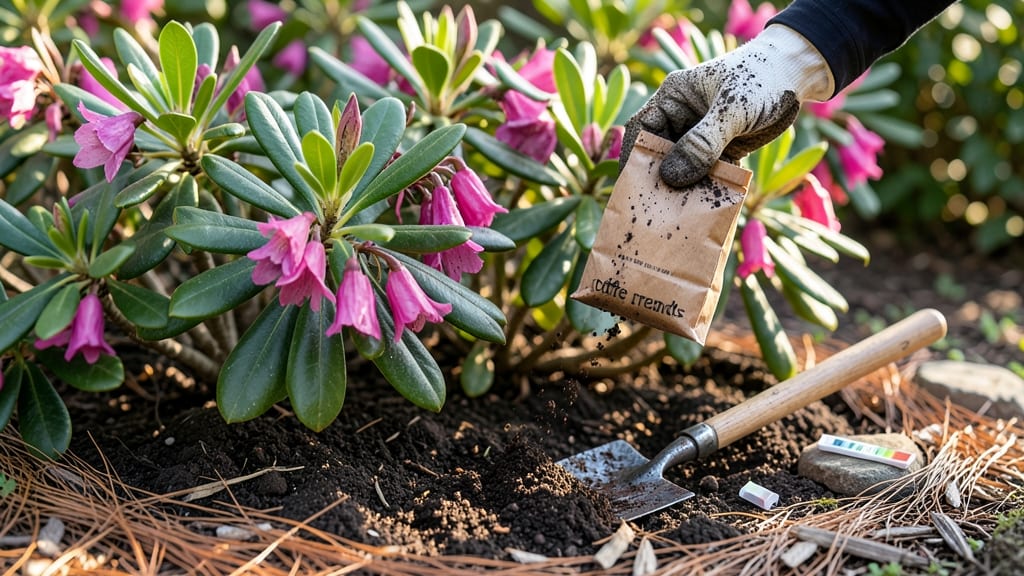
Using coffee grounds in gardening soil boosts acidic-loving plants like azaleas and blueberries by providing organic nitrogen and improving moisture retention, but avoid overapplying near alkaline plants or in large amounts, which can compact soil or attract pests.
Coffee grounds work like a natural fertilizer because they’re rich in nitrogen—a key nutrient that helps plants grow lush foliage. 🌱 When mixed into soil, they also create a slightly acidic environment (pH 6.2–6.8), perfect for acid-loving plants like hydrangeas and gardenias.
However, they break down slowly, so I recommend composting them first to prevent mold or nutrient imbalances. A light sprinkle (about 1/4 inch) every few weeks is ideal, but too much can smother roots or attract slugs.
For best results, pair coffee grounds with other organic matter like compost or peat moss. This combo enhances soil structure while keeping the pH balanced. Just remember: alkaline plants (like lavender or lilacs) will struggle with the acidity, so use them sparingly—or not at all—in those areas.
💡 In This Article
- How Coffee Grounds Improve Soil for Acidic Plants
- Best Practices for Adding Coffee Grounds to Garden Beds
How coffee grounds improve soil for acidic plants
Coffee grounds act like a slow-release fertilizer because they contain about 2% nitrogen by weight—roughly half the nitrogen found in fresh manure but in a form that plants can gradually absorb.
When mixed into soil, these grounds break down through microbial activity, releasing nitrogen in the form of ammonium (NH₄⁺) and nitrate (NO₃⁻), both essential for leafy growth. The process also stimulates beneficial soil bacteria and fungi, which further decompose organic matter and create a thriving ecosystem for plant roots.
The real magic happens with soil pH. Fresh coffee grounds have a pH of about 6.2–6.8, making them slightly acidic—a perfect match for ericaceous plants like blueberries, azaleas, and rhododendrons, which thrive in acidic soils (pH 4.5–6.0).
Unlike synthetic fertilizers that can spike pH temporarily, coffee grounds lower soil acidity gradually, creating an ideal environment for these nutrient-hungry plants. 🌿 For example, hydrangeas will produce vibrant blue blooms when soil pH is 5.5 or lower, and coffee grounds help maintain that balance over time.
Beyond nitrogen and pH, coffee grounds improve soil structure by adding organic matter that enhances water retention. A 1/4-inch layer spread over garden beds can hold up to 20% more moisture than bare soil, reducing watering needs while preventing nutrient runoff.
The coarse texture also aerates compacted soil, allowing roots to breathe better—a critical factor for shallow-rooted plants like strawberries or ferns. However, this benefit comes with a caveat: too much can create a thick, mat-like layer that blocks oxygen flow to roots.
What most gardeners overlook is the micronutrient boost. Coffee grounds contain trace amounts of potassium (0.5%) and phosphorus (0.2%), which support root development and flowering. The potassium helps regulate water uptake, reducing stress during drought, while phosphorus encourages strong root systems.
This makes coffee grounds a triple-threat amendment: they feed plants, adjust pH, and improve soil health—all while being a free, sustainable resource.
For maximum effectiveness, I recommend composting coffee grounds first. Fresh grounds can mold or attract pests like slugs, while composted grounds break down evenly, releasing nutrients at a steady pace. Think of it like a slow-release capsule: the longer the breakdown, the more consistent the benefits.
Over time, this creates a self-sustaining cycle where the soil’s microbial population thrives, further decomposing organic matter and keeping nutrients available for plants.
The key takeaway is balance. While coffee grounds are a gardener’s secret weapon for acid-loving plants, they’re not a one-size-fits-all solution.
Pair them with compost or peat moss to create a nutrient-rich, well-draining mix that mimics the natural forest floor where many of these plants originate. 🌱 For alkaline plants, though, they’re best avoided—unless you’re willing to monitor pH closely and adjust with lime if needed.