
Planting
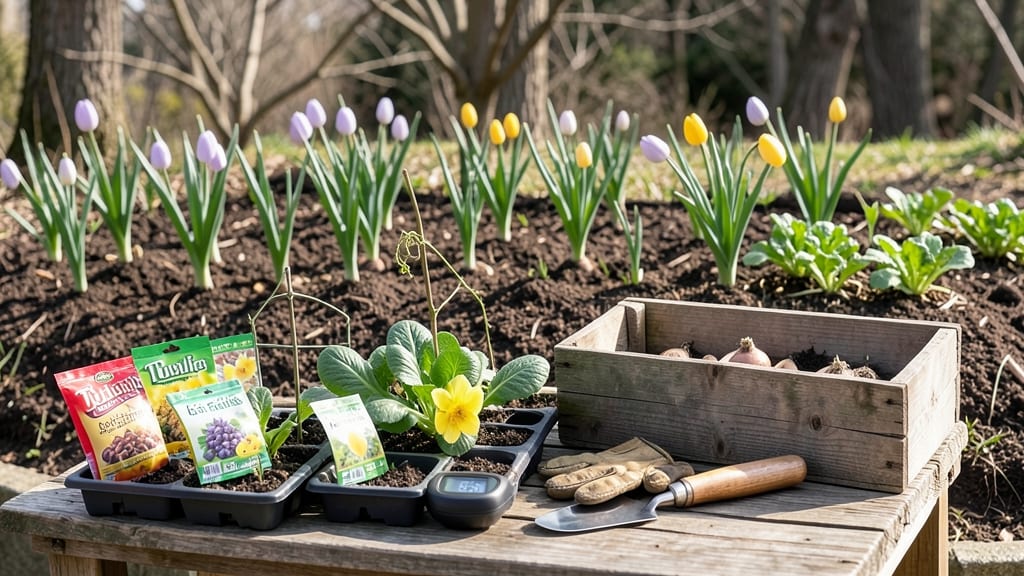
Gardeners can start planting seeds and bulbs now in USDA Zones 3-10, where cool-season vegetables like spinach and peas can go straight into the ground, while spring-flowering bulbs like daffodils should be planted before soil temperatures rise above 60°F. Your local frost dates determine exact timing—sow seeds 4-6 weeks before the last frost, and bulbs 6-8 weeks before.
Timing matters because cool-season crops thrive in cooler temperatures, while bulbs need a chilling period to develop strong roots. 🌱 In my experience, planting too early risks frost damage, while waiting too long can lead to stunted growth or poor blooms.
For example, onions and garlic prefer cooler soil, so starting them now in Zones 3-5 gives them plenty of time to establish before summer heat arrives. Meanwhile, tulips planted now will have a full growing season to naturalize and return year after year.
Before you begin, test your soil's moisture and temperature—ideal conditions are 50-65°F for seeds and 50-55°F for bulbs. I always check with my finger: if the top inch feels damp but not soggy, it's ready.
For containers or raised beds, use a mix of compost and native soil to improve drainage, which prevents root rot in both seeds and bulbs. Pro tip: Mark your planting spots with biodegradable flags to track growth progress!
💡 In This Article
- Planting Seeds and Bulbs by USDA Hardiness Zones
- Step-by-Step Guide to Preparing Soil and Planting
Planting seeds and bulbs by USDA Hardiness Zones
Your USDA Hardiness Zone determines what you can plant and when, as each zone has a different average minimum temperature that affects plant survival.
For example, Zone 3 (with average winter lows of -40°F to -30°F) allows hardy crops like kale and peas to thrive in early spring, while Zone 10 (40°F-50°F winter lows) can plant warm-season crops like tomatoes later.
The key difference lies in frost sensitivity—cool-season crops like lettuce and pansies can handle light frosts, while bulbs like tulips need to establish roots before soil warms above 60°F.
Here’s a zone-by-zone breakdown for common plants: In Zones 3-5, start cool-season seeds like spinach and onions 4-6 weeks before the last frost (typically early March). In Zones 6-8, you can extend this window slightly, planting lettuce and peas as early as February.
For bulbs, Zones 3-5 should plant tulips and daffodils by early April, while Zones 6-10 can wait until late March. The Southern regions (Zones 9-10) often have milder winters, allowing for earlier planting of frost-tolerant varieties like broccoli and cabbage.
Regional differences matter too—Northern climates (Zones 3-5) experience longer winters, so planting early ensures crops mature before summer heat arrives. Southern climates (Zones 7-10) can start earlier but must watch for sudden cold snaps.
For instance, garlic planted in Zone 7 now will need 6-8 weeks of cool weather to form bulbs, while in Zone 3, it requires 90+ days of cold. Always check your local frost dates, which you can find through the National Weather Service or USDA Plant Hardiness Zone Map.
What most gardeners don’t realize is how soil temperature impacts germination. Seeds need soil at 50-65°F to sprout, while bulbs prefer 50-55°F for root development. Use a soil thermometer to monitor—if temperatures fluctuate, delay planting until conditions stabilize.
For example, in Zone 4, March soil temps might hover around 45°F, which is too cold for most seeds but ideal for hardy bulbs like crocuses.
Consider these zone-specific tips for success:
- Zones 3-5: Use row covers to protect seedlings from late frosts (down to 20°F)
- Zones 6-8: Plant bulbs like hyacinths in early spring for summer blooms
- Zones 9-10: Focus on heat-tolerant varieties like Swiss chard or black-eyed peas
One of my biggest lessons came from planting tulip bulbs too late in Zone 5—they didn’t bloom the first year because the roots didn’t establish before summer heat.
Now, I mark my calendar for 6-8 weeks before the last frost and double-check soil temps. The payoff? Vibrant spring blooms and stronger plants year after year! 🌷