
Planting
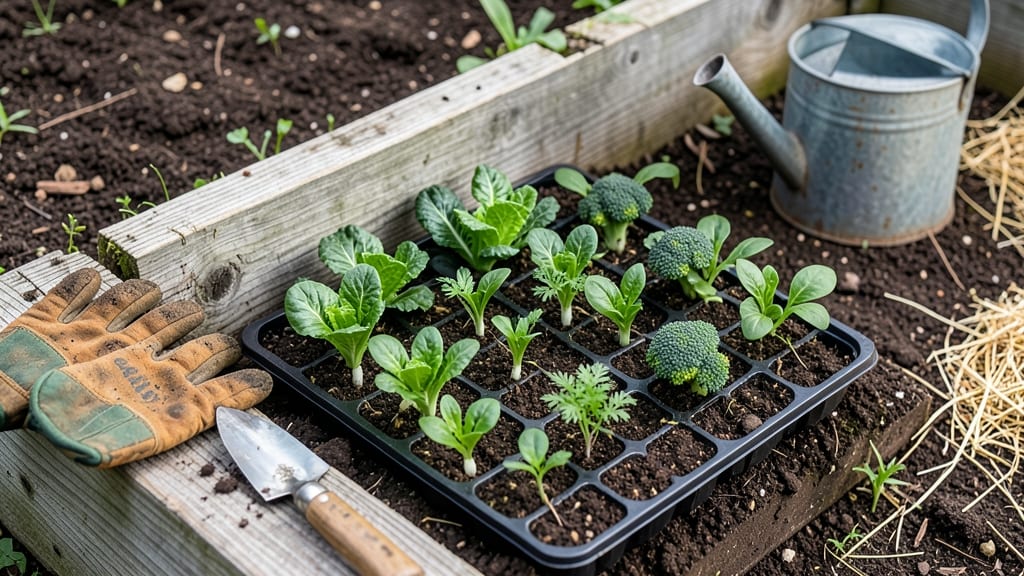
Planting a vegetable garden in Seattle at the right time means the difference between a bountiful harvest and a frost-kissed disappointment—especially when those infamous late-May freezes strike.
Seattle’s unpredictable weather can turn a thriving 🥬 patch into a sad, icy memory if you miss the window. But here’s the good news: with the right timing, you can grow everything from leafy greens to tomatoes without playing frost roulette.
In USDA Zone 8a, the ideal planting window for most vegetables starts in early March for cold-hardy crops and stretches into late May for heat-lovers like tomatoes. The key? Knowing when to start seeds indoors, when to transplant, and how to protect tender plants from that dreaded last frost.
Below, I’ll break down the exact planting schedule for Seattle’s microclimates, plus pro tips to extend your growing season—so you can enjoy fresh veggies from spring through fall, frost-free.
Seattle’s last frost dates by microclimate: safest planting windows for vegetables
Seattle’s variable frost dates make timing your vegetable garden tricky. While the city averages a last frost around March 15, urban heat islands and coastal influences create microclimates where frost can arrive weeks earlier or later.
Understanding these differences helps you avoid the dreaded late-May frost that can wipe out tender seedlings.
King County Extension data shows urban Seattle (Zone 8a) typically warms up faster than rural areas, while suburban zones near water often stay cooler longer. For heat-loving crops like tomatoes, peppers, and cucumbers, waiting until after May 15 in most areas gives you a 90% frost-free guarantee.
But in cooler microclimates, you might need to wait until June 1.
| Microclimate | Avg Last Frost | Safe Planting Window | Notes |
|---|---|---|---|
| Urban Heat Islands | March 10 | April 15 (warm crops) | Warmer microclimate; watch for heat stress |
| Suburban (Mid-City) | March 15 | May 1 (warm crops) | Standard reference point |
| Coastal/Rural | March 22 | June 1 (warm crops) | Cooler; extend season with row covers |
| Elevated Areas (e.g., Queen Anne) | March 5 | April 20 (warm crops) | Warmer nights; monitor closely |
For heat-sensitive crops like tomatoes and peppers, I recommend waiting until after May 15 in most areas, or even June 1 in cooler microclimates. These plants need consistent warmth to thrive, and a single 32°F night can kill young seedlings.
Start seeds indoors 6-8 weeks before your target planting date to give them a head start.
If you’re growing cool-season crops like lettuce, spinach, or peas, you can plant 4-6 weeks before your last frost date. In Seattle, that means mid-February to early March for most areas. These hardy plants can often tolerate light frosts and may even taste sweeter after a cold snap.
Pro tip: Use floating row covers to protect tender seedlings if you plant early. These lightweight fabrics raise soil temperatures by 5-10°F and can extend your growing season by 2-4 weeks. Just remember to remove them during the day when temps rise above 75°F to prevent overheating.
Seattle’s first frost typically arrives around November 15, but this can vary by 10-14 days depending on your microclimate. For a fall harvest, plant heat-tolerant crops like beans, cucumbers, and squash by mid-July to give them time to mature before cooler weather sets in.
Always check local forecasts in late April and early May, as Seattle’s May frosts are legendary. I keep a frost watch calendar from the National Weather Service and adjust my planting schedule accordingly.
A few extra weeks of waiting can mean the difference between a bountiful harvest and a frosted disappointment.
For container gardening, remember that pots warm up faster than in-ground beds. You can plant 1-2 weeks earlier in containers, but monitor soil temperatures closely. A soil thermometer is your best friend—aim for 55°F+ for warm-season crops.
Seattle’s microclimate diversity means you’ll need to observe your own garden for a few years to refine your planting schedule. Keep a garden journal to track frost dates, soil temperatures, and plant performance.
Over time, you’ll develop a customized planting plan that works perfectly for your specific corner of the Emerald City. 🌱
Best vegetables to plant in Seattle’s spring vs. fall: a microclimate guide
Seattle’s cool, wet springs and mild, dry summers create a unique gardening challenge. The key to success? Planting cold-hardy crops early and heat-loving veggies late—while avoiding the infamous May frost that can wipe out tender seedlings.
My garden thrives by leveraging succession planting and microclimate zones, from urban heat islands to sheltered suburban plots.
Spring in Seattle starts slow, with chilly nights lingering into May. This makes it ideal for leafy greens like kale and spinach, which tolerate frost and even taste sweeter after a light freeze.
Meanwhile, late spring brings warmer days perfect for beans, squash, and tomatoes—but only after the last frost date (typically mid-May in most areas).
- 🌱 Early Spring (March-April): Plant cold-hardy greens like spinach, kale, and peas 4-6 weeks before last frost. Use row covers for extra protection.
- 🌿 Late Spring (May-June): Wait until after May 15 to plant tomatoes, peppers, and cucumbers. Start seeds indoors in April for earlier harvests.
- 🌻 Summer (July-August): Succession plant beans, lettuce, and radishes every 2-3 weeks to extend harvests through fall.
- 🍂 Early Fall (August-September): Sow broccoli, carrots, and kale for a second harvest before winter. Aim for seeds in soil by Labor Day.
- ❄️ Late Fall (October-November): Cover hardy greens with straw mulch to protect from early frosts. Harvest root veggies before ground freezes.
Fall planting in Seattle is all about timing your crops to mature before the first frost (usually mid-November). Broccoli, carrots, and beets thrive in cooler weather and can be sown as early as late July for a harvest in October.
I always plant two rounds of spinach: one in early spring and another in late summer, both protected by floating row covers if nights dip below 30°F.
For succession planting, focus on fast-growing crops like radishes (30 days) and bush beans (50 days). In my garden, I stagger plantings every 2-3 weeks from May through August to ensure a steady supply.
This works especially well for leaf lettuce and green onions, which can be harvested multiple times before bolting.
Don’t overlook microclimates—Seattle’s urban areas (like Ballard) stay warmer than suburban zones (like Bellevue), allowing for later plantings of tomatoes and peppers. If you’re in a cooler microclimate, opt for earlier-maturing varieties or use black plastic mulch to warm the soil faster.
Remember, Seattle’s soil stays damp well into summer, so prioritize well-draining beds for root crops like carrots and potatoes. Amend your soil with compost in early spring to give plants a nutrient boost before the growing season peaks.
With the right timing and a little local know-how, you can enjoy homegrown veggies year-round, even in the Pacific Northwest’s unpredictable climate. 🌱