
Planting
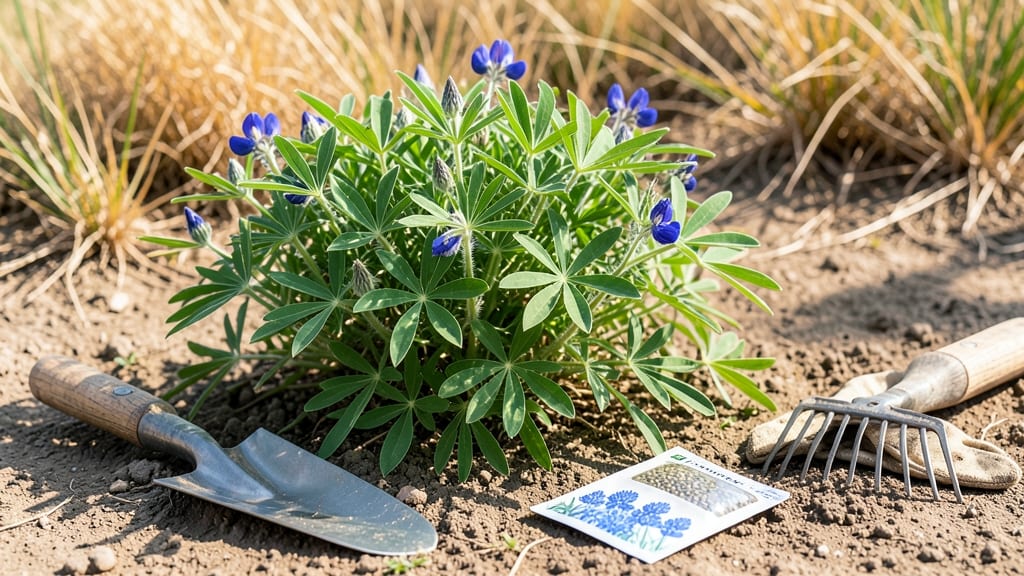
Planting your spring garden in Texas at the right time means the difference between a thriving harvest and a wasted season.
Texas gardeners know timing is everything—plant too early and a late frost can wipe out your hard work, but wait too long and the summer heat arrives before your crops mature. Mastering the perfect planting window means bountiful harvests instead of wasted seeds.
Here, we break down last-frost dates by USDA zone, heat-tolerant crops that thrive in Texas’ intense spring, and smart strategies to stretch your growing season. Whether you’re in the Panhandle or the Rio Grande Valley, these tips will help you avoid common mistakes and maximize your garden’s potential.
You’ll discover exact planting windows for vegetables, herbs, and flowers, plus soil prep tricks to give your plants the best start. Let’s get your Texas spring garden off to the right start!
Texas last-frost dates by zone: when to plant cool-season crops
Texas spans 11 USDA hardiness zones, from Zone 6a in the Panhandle to Zone 10b along the Gulf Coast. These zones create wildly different last-frost dates, which directly impact when you can safely plant cool-season crops like lettuce, broccoli, and peas.
In North Texas, gardeners often face frost risks until mid-March, while South Texas may see frost-free conditions by early February.
Understanding your local frost date is critical because cool-season crops like spinach and kale can't tolerate temperatures below 28°F. Even hardy varieties of cabbage may suffer damage if planted too early.
The key is to start seeds indoors 6-8 weeks before your last frost date or use season extenders like row covers to protect tender seedlings.
Here's a zone-by-zone breakdown of Texas's last-frost dates and ideal planting windows for cool-season crops, along with microclimate adjustments you should consider:
| Texas Region | USDA Zones | Avg. Last Frost Date | Plant Cool-Season Crops | Microclimate Tip |
|---|---|---|---|---|
| North Texas | 6a-7b | March 15-April 1 | March 1-April 15 | Use row covers for early starts; avoid low-lying areas |
| Central Texas | 7b-8a | February 28-March 15 | February 15-March 30 | Plant near buildings for warmth; watch for late frosts in Hill Country |
| East Texas | 7b-8b | February 15-March 1 | January 30-February 28 | High humidity extends frost risk; choose fast-maturing varieties |
| South Texas | 8b-10a | January 15-February 10 | January 1-February 15 | Rare frosts possible; prioritize heat-tolerant varieties |
| West Texas | 7a-8a | March 1-April 1 | February 15-March 30 | Dry climate; mulch heavily to retain moisture |
For North Texas gardeners in zones 6a-7b, the last frost date often falls between March 15 and April 1. This means you should wait until early March to plant cool-season crops like spinach and peas directly in the garden.
However, you can start broccoli and cauliflower indoors in late January to transplant after the frost danger passes.
In Central Texas (zones 7b-8a), the frost-free window opens earlier, typically by late February. This allows for a longer cool-season planting window, but gardeners should still be prepared for late frosts, especially in elevated areas like the Hill Country.
Planting near south-facing walls or using black plastic mulch can create microclimates that warm the soil faster.
South Texas (zones 8b-10a) is the most forgiving, with frost-free conditions often arriving by mid-January. However, even here, unpredictable cold snaps can occur. I recommend planting heat-tolerant varieties of cool-season crops like Malabar spinach or collard greens, which can handle warmer temperatures better than traditional varieties.
Microclimates play a huge role in Texas gardening
Best heat-tolerant spring crops for Texas gardens & their planting windows
Texas springs can be a gardener's double-edged sword—warm soil speeds up growth, but scorching afternoons can stress delicate plants.
The key is choosing heat-tolerant varieties that thrive when temperatures climb past 90°F. My top picks for Texas gardens include okra, sweet potatoes, black-eyed peas, cowpeas, and malabar spinach, all of which handle our intense heat better than most spring crops.
Unlike cool-season vegetables that need frost-free soil, these heat-lovers actually prefer warm conditions. For example, okra and sweet potatoes grow faster in Texas' heat, while black-eyed peas develop sweeter pods when temperatures rise.
The secret is planting them after your last frost date—typically mid-March in North Texas and February in South Texas—but before the brutal summer arrives.
Here's how I prepare my soil for these heat-resistant crops: I always amend with compost to retain moisture, add a 2-inch layer of mulch to protect roots, and choose raised beds in heavy clay soils.
For container gardening, I use black plastic pots to warm the soil faster in early spring.
| Crop | Best Planting Window | Days to Maturity | Companion Plants | Soil Temp Needed |
|---|---|---|---|---|
| Okra | March-April (after last frost) | 50-65 days | Beans, peppers, tomatoes | 70°F+ |
| Sweet Potatoes | April-May (after soil warms) | 90-120 days | Corn, beans, cucumbers | 75°F+ |
| Black-Eyed Peas | February-April (North TX) / Jan-Feb (South TX) | 60-90 days | Okra, corn, cucumbers | 65°F+ |
| Cowpeas | March-April (after last frost) | 70-100 days | Tomatoes, peppers, okra | 70°F+ |
| Malabar Spinach | April-May (after frost risk) | 60-75 days | Peppers, eggplant, beans | 68°F+ |
| Peanut Butter Peas | March-April (North TX) / Feb-March (South TX) | 50-70 days | Okra, sweet potatoes, corn | 65°F+ |
| Sorghum | April-May (after soil warms) | 90-120 days | Beans, squash, melons | 75°F+ |
| Eggplant | March-April (after frost) | 70-90 days | Peppers, beans, marigolds | 70°F+ |
For companion planting, I always pair heat-lovers together. For example, okra and black-eyed peas make excellent neighbors because they both fix nitrogen in the soil while their different root depths prevent competition.
I also plant marigolds around my eggplants to deter pests like flea beetles, which thrive in Texas heat.
Watering these crops requires a different approach than cool-season vegetables. I water deeply every 2-3 days in the morning to prevent fungal diseases that flourish in our humid springs.
For sweet potatoes, I actually reduce watering as they mature to improve tuber quality—a trick I learned from Texas A&M Extension.
Don't forget that staggered planting extends your harvest. I plant okra every 2 weeks from March through May, ensuring a continuous supply of pods throughout summer. This same strategy works for black-eyed peas and cowpeas, giving you fresh harvests when other spring crops bolt in the heat.