
Planting
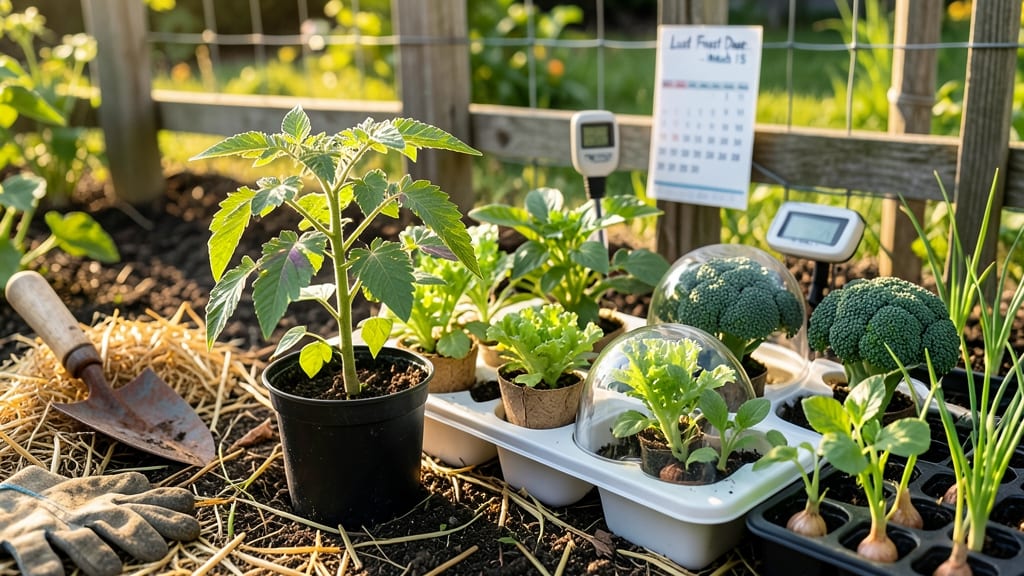
Planting your garden in Zone 7 at the right time means the difference between a bountiful harvest and wasted seeds. Whether you're sowing cold-hardy greens or waiting for the soil to warm up for tomatoes, timing is everything.
Zone 7 gardeners enjoy a long growing season—but planting too early or late can mean wasted seeds and stunted plants. Mastering the perfect timing for cold-hardy crops, warm-season favorites, and everything in between is the key to maximizing your harvest.
In this guide, I’ll break down the exact planting windows for spring and fall, including when to start seeds indoors, transplant seedlings, and direct-sow for the best results. You’ll also learn how to adjust for your local microclimate, whether you’re in the cooler hills or a warmer urban pocket.
From leafy greens that thrive in cool soil to heat-loving peppers that need warm days, we’ll cover it all—so you can plan ahead and enjoy fresh produce straight from your garden all season long.

Zone 7 planting calendar: exact dates for cold-hardy crops vs. warm-season vegetables
In USDA Zone 7, gardeners enjoy 190+ frost-free days, creating a perfect window for both cool-season crops and warm-season favorites. But timing is everything—plant too early, and frost will kill tender seedlings; too late, and your harvest shrinks.
My Zone 7 planting calendar breaks down exact dates for leafy greens, root vegetables, tomatoes, peppers, and more, tailored to your region’s last frost (April 15) and first frost (October 15) averages.
Cold-hardy crops like kale, spinach, and carrots thrive in cool spring and fall temperatures, while tomatoes, peppers, and cucumbers need warm soil and air to germinate.
Below, I’ve mapped out the ideal planting windows for each category, plus pro tips to adjust for your microclimate—whether you’re in a mountain valley or urban heat island.
| Plant Type | Best Planting Window | Frost Tolerance | Days to Harvest | Zone 7 Notes |
|---|---|---|---|---|
| Leafy Greens (Lettuce, Spinach, Kale) | Feb 15–March 30 & Aug 15–Sept 30 | High (survives light frost) | 30–60 days | Sow early for spring harvest; succession plant every 2 weeks. |
| Root Vegetables (Carrots, Beets, Radishes) | March 1–April 15 & Aug 1–Sept 15 | Medium (avoid heavy frost) | 45–70 days | Loosen soil to prevent forking; radishes ready in 3 weeks! |
| Tomatoes & Peppers (Warm-Season) | April 20–May 15 (transplant) | Low (frost-sensitive) | 60–90 days | Wait until soil is 60°F+; use black plastic mulch to warm soil. |
| Beans & Peas (Cool-Warm Transition) | April 1–May 10 & July 15–Aug 15 | Medium (peas tolerate frost) | 50–70 days | Peas love cool weather; beans need heat—plant separately. |
| Herbs (Basil, Cilantro, Parsley) | March 15–April 15 & Aug 1–Sept 1 | Low-Medium (basil hates frost) | 30–70 days | Cilantro bolts in heat; basil needs full sun. |
| Fall Crops (Broccoli, Cabbage, Brussels Sprouts) | July 15–Aug 30 (transplant) | High (sweetened by frost) | 70–100 days | Plant 8–10 weeks before first frost for winter harvests. |
For cold-hardy crops, I start sowing leafy greens and root vegetables in February—as soon as soil is workable. These plants thrive in cool weather and can even handle light frosts.
For example, spinach sown in late February will be ready by April, just in time for spring salads. In fall, I replant these same crops in August for a second harvest before winter sets in.
Warm-season crops like tomatoes and peppers are trickier—they won’t germinate in cold soil. I wait until April 20 (after the last frost date) to transplant seedlings, but I often use black plastic mulch in early April to warm the soil faster.
If you’re in a cooler microclimate, like a mountain valley, delay planting until May 1 to avoid late-season frosts.
Herbs like basil and cilantro have opposite preferences: cilantro loves cool weather and bolts in heat, while basil needs warmth to thrive. I sow cilantro in March for early spring use and again in August for fall harvests.
Basil gets its first planting in late April, but I protect it with row covers if nighttime temps dip below 50°F.
Don’t forget about succession planting! Crops like radishes, lettuce, and bush beans
How to adjust planting times for your specific Zone 7 microclimate
Zone 7's 190+ frost-free days give gardeners plenty of time—but not all areas experience the same conditions. Your microclimate (the local weather variations in your yard) can shift planting windows by 2-4 weeks.
For example, a urban heat island might let you plant tomatoes 2 weeks earlier than rural areas, while higher elevations could delay your last frost by 10-14 days.
Even within the same ZIP code, southern exposures warm up faster than northern slopes, and low-lying areas hold frost longer. Ignoring these nuances can lead to bolting lettuce or blossom-end rot in tomatoes.
The key is adjusting your last frost date by observing your yard's unique patterns over 2-3 years.
⚠️ callout-warning
- Planting warm-season crops too early (before soil reaches 60°F) causes poor germination.
- Assuming all Zone 7 areas have the same last frost date—your microclimate may vary by 30+ days.
- Skipping fall planting because "it's too late"—many crops thrive in cool autumn temps.
- Overlooking elevation: Every 1,000 ft gain delays frost by 3-5 days.
Start by calculating your 30-day vs. 60-day frost-free averages. Most Zone 7 gardeners use a 60-day average (like April 15), but if your area has frequent late frosts, stick with the 30-day mark (around May 1).
For cool-season crops like kale or spinach, plant 4-6 weeks before your earlier frost date—not the average.
Urban gardeners should account for the urban heat island effect, which can push spring planting 1-2 weeks earlier and fall planting 1-2 weeks later than rural areas. Test your soil temperature with a soil thermometer—warm-season crops like peppers need 70°F+ soil, while beans thrive at 60°F+.
If your soil heats up faster, plant warm-lovers sooner.
For elevation adjustments, subtract 3-5 days per 1,000 ft from your frost dates. A garden at 2,000 ft in Zone 7 might have a last frost around May 10 instead of April 15.
Conversely, low-lying areas could see frost linger until May 1. Use frost cloth or row covers to extend early-season planting by 2-4 weeks in risky microclimates.
Track your microclimate by noting when early bloomers (like daffodils) appear and when frost-sensitive plants (like tomatoes) survive overnight. Over time, you'll refine your planting calendar to match your yard's unique rhythm.
For example, my north-facing bed gets frost until May 5, while my south-facing raised beds are safe by April 20—a 2-week difference that matters for cold-sensitive crops.