
Planting
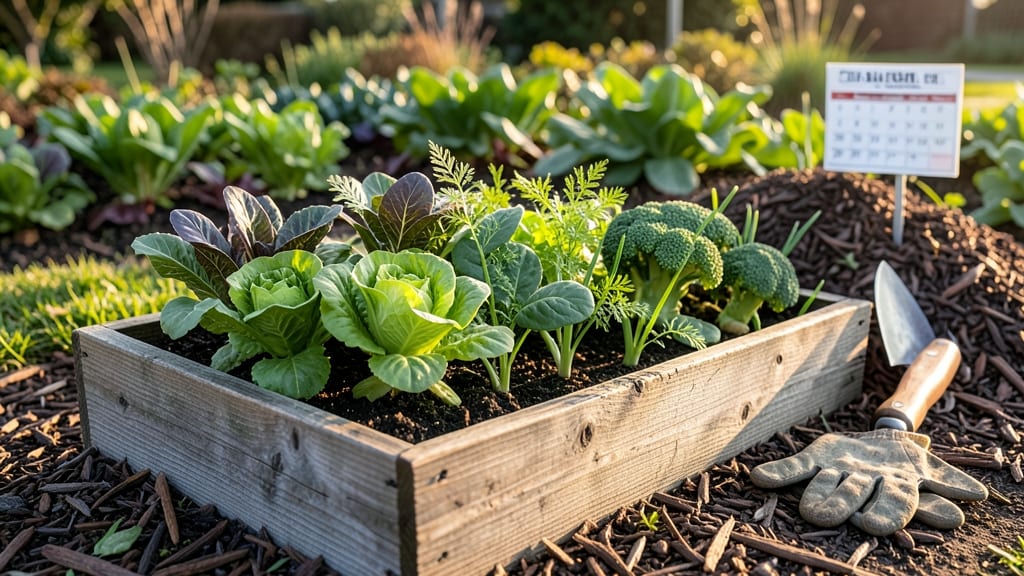
Planting your garden in Connecticut at the right time means the difference between a fast, bountiful harvest and struggling with frost-killed seedlings.
Connecticut’s unpredictable spring weather can leave gardeners guessing—plant too early and risk frost damage, too late and miss peak harvests. Timing your garden correctly ensures healthier plants and faster growth, but knowing exactly when to start depends on microclimates, frost dates, and plant types.
Most General Garden Plants (CT) 🌱 thrive when planted after the last frost, typically between late April and early June, but cool-season crops like kale and peas can go in as early as March.
Meanwhile, warm-season favorites like tomatoes and peppers need soil temperatures above 50°F—a rule that shifts timing by weeks across the state.
Below, I break down the critical planting windows for Connecticut’s zones, how to adjust for coastal vs. inland microclimates, and the one trick that adds 10 extra days to your growing season.
Connecticut’s frost dates and planting zones: the critical timeline for spring planting
Connecticut’s USDA Zones 5b-6a create a delicate balance for gardeners—cool springs and warm summers demand precision timing. The average last frost date ranges from mid-April in coastal areas to early May inland, but these dates shift yearly.
For example, Hartford’s last frost typically arrives by May 1, while New London’s coastal climate often sees frost-free conditions as early as April 15. These variations mean your planting timeline depends heavily on where you live in the state.
Understanding your microclimate is key. A garden in Litchfield County might be frost-free by late April, while Fairfield County’s coastal influence delays frost until early May. Even within a few miles, soil temperature and frost pockets can create 10-day differences in safe planting windows.
Use these regional guidelines as a starting point, then adjust based on your yard’s specific conditions.
Here’s the 10-day warm streak rule I swear by: Wait until you’ve seen 10 consecutive days above 50°F before planting warm-season crops like tomatoes, peppers, or basil. This ensures roots establish before nighttime dips.
For cool-season crops (spinach, kale, peas), you can plant 4-6 weeks before the last frost date—even if frost is forecasted, these plants handle light freezes. Track soil temps with a soil thermometer (aim for 45°F for cool crops and 60°F+ for warm crops).
Transplants are more forgiving than seeds. Seed-starting indoors should begin 6-8 weeks before your last frost date (so mid-March for coastal CT, late March for inland). Harden off seedlings for 7-10 days before transplanting after the last frost.
For direct sowing, fast growers like radishes can go in 2-3 weeks before the last frost, while slow growers like broccoli need the full frost-free window.
🌱Pro Tip: Use row covers or cold frames to extend your season by 2-4 weeks in spring and fall. These protect tender seedlings from late frosts while warming the soil faster.
I’ve successfully planted cabbage and lettuce as early as March 15 with row covers in my Zone 6a garden.
Now, let’s break down the critical planting windows for Connecticut’s two main regions—coastal and inland—so you can align your garden with the climate’s rhythm.
| Region | Avg. Last Frost | Safe Planting Window | Warm-Season Starts | Cool-Season Starts |
|---|---|---|---|---|
| Coastal (New Haven, New London) | April 15 | April 20 - May 10 | April 25 (after 10-day streak) | March 15 (with row covers) |
| Inland (Hartford, Litchfield) | May 1 | May 10 - May 25 | May 15 (after 10-day streak) | March 30 (with row covers) |
| Northern CT (Torrington, Waterbury) | May 10 | May 20 - June 5 | June 1 (after 10-day streak) | April 10 (with row covers) |
The table above shows how coastal CT can plant 2-3 weeks earlier than inland areas. For example, my tomato seedlings in New Haven go in by May 1, while my sister’s in Waterbury wait until June 1.
This timing ensures maximum growth before summer heat sets in. Always verify with your local Cooperative Extension Service for year-specific adjustments—they track frost data annually.
For herbs like basil and cilantro, wait until soil temps hit 60°F—cilantro bolts in heat, while basil won’t germinate below 55°F.
I’ve learned this the hard way: planting basil too early in Zone 6a means wilted seedlings by June. Flowers like marigolds and zinnias are more flexible—they tolerate light frosts and can go in 2 weeks after your last frost date.
Prioritize heat-loving plants (peppers, eggplants) for the earliest possible transplanting after your 10-day warm streak.
🌿Remember: Fall planting follows the reverse rule.
Best vegetables and flowers to plant by month in Connecticut: a month-by-month guide
Timing is everything in Connecticut gardening, where spring frost can linger until mid-April and fall frost arrives by mid-October. To maximize your harvest, I’ve broken down the best vegetables and flowers to plant each month, including cool-season champions like kale and warm-season stars such as tomatoes.
Whether you're using row covers or a high tunnel, these adjustments will extend your growing season and boost yields.
Start with cool-season crops in early spring—peas, spinach, and lettuce thrive in 40°F soil—while waiting until after last frost (typically May 15) for tomatoes, peppers, and basil.
For perennials like lavender and asparagus, timing matters too: plant asparagus crowns in early spring for a 3-year harvest, while lavender prefers fall planting to establish roots before winter.
🌱 SUMMARY-TABLE: Connecticut Planting Schedule
| Month | Cool-Season Crops | Warm-Season Crops | Flowers & Perennials | Season Extension Tips |
|---|---|---|---|---|
| March | Peas, Spinach, Kale (start indoors) | None (too cold) | Pansies, Calendula (cold-hardy) | Use row covers for early starts |
| April | Lettuce, Radishes, Carrots (direct sow) | Tomatoes, Peppers (start indoors) | Lavender (fall is best, but early spring works) | Test soil temp (50°F+ for warm crops) |
| May | Broccoli, Cabbage (transplant after frost) | Transplant tomatoes, peppers, basil | Marigolds, Zinnias (direct sow) | Use high tunnels for early tomatoes |
| June | Succession plant lettuce | Cucumbers, Beans, Squash (direct sow) | Sunflowers, Nasturtiums (direct sow) | Mulch to retain moisture |
| August | Kale, Spinach, Radishes (fall planting) | None (too late for warm crops) | Asters, Chrysanthemums (fall bloomers) | Plant garlic for next year |
| September | Brussels Sprouts, Turnips (transplant) | None (focus on fall crops) | Pansies, Sweet Alyssum (cool-season flowers) | Cover with frost cloth in late Sept |
For warm-season vegetables, I recommend starting tomato and pepper seeds indoors in March to give them a head start.
By mid-May, when soil temperatures hit 60°F, transplant them outdoors and use mulch to keep roots cool. Succession planting is key for continuous harvests—sow lettuce and radishes every 2 weeks from May through July to avoid bolting.
Don’t overlook flowers and perennials! Plant lavender in early spring or fall for drought resistance, and asparagus crowns in March for a 3-year harvest. For season extension, use row covers in early spring or high tunnels to protect tender plants like tomatoes and peppers from late frosts.
Even in Zone 6a, these tricks can add 4-6 weeks to your growing season.
Pro