
Planting
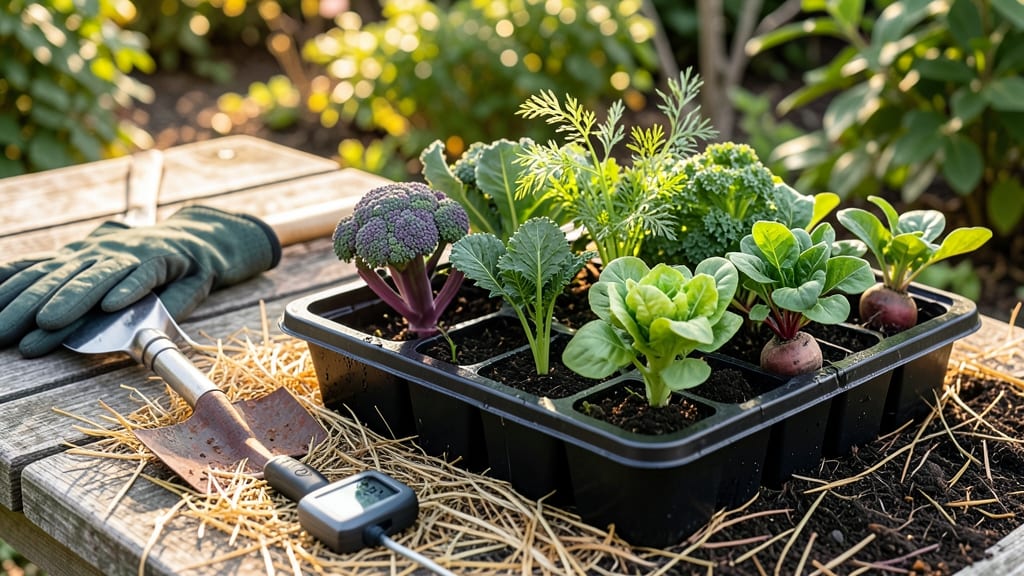
Planting your fall garden in Texas starts 6–8 weeks before your first frost—a window that shifts dramatically from North to South Texas, where a January frost in Zone 8a means a very different timeline than Zone 10b’s mild winters.
Texas gardeners know timing is everything—plant too early, and your fall crops face scorching heat; too late, and frost ruins your harvest. But with precise planting dates tailored to Texas’ unique zones, you can enjoy thriving vegetables, herbs, and greens all season long.
This guide breaks down exact planting dates by zone, from heat-loving okra in August to frost-tender spinach in October, so you avoid the two biggest mistakes: burning seedlings in summer’s last heatwave or losing crops to a surprise freeze.
You’ll also discover the best fall crops for Texas, soil prep tricks to beat the heat, and a foolproof checklist to ensure your garden thrives until December—no guesswork, just harvests.
Texas fall planting dates by Zone: exact months and weeks for peak success
Texas’ diverse climate means fall planting dates vary dramatically from North Texas (Zone 8a) to South Texas (Zone 9b). In Zone 8a, where first frost hits by mid-December, you’ve got a tight window—typically mid-August to early October—to plant cool-season crops.
Meanwhile, Zone 9b gardeners enjoy a longer season, with planting stretching into late October before cooler temps set in. The key? Soil temperature and heat stress dictate your timing more than calendar dates.
For heat-tolerant crops like okra and sweet potatoes, start in late July to early August across all zones. These plants thrive in 90°F+ soil and can handle Texas’ lingering summer heat.
But for cool-season favorites like broccoli and spinach, wait until soil temps drop below 80°F—usually mid-to-late August in North Texas and early September in South Texas. Planting too early risks bolting or stunted growth.
Here’s the non-negotiable rule: Calculate your first frost date (typically December 15 in Zone 8a and January 1 in Zone 9b) and plant cool-season crops 6–8 weeks beforehand.
For example, if your frost date is December 15, seed leafy greens by October 20. Use this summary table to pinpoint your exact planting window by zone and crop type.
| Zone | Heat-Tolerant Crops (Plant by) | Cool-Season Crops (Plant by) | First Frost Date | Key Tip |
|---|---|---|---|---|
| 8a (North TX) | Late July–Early August | Mid-August–Early October | Mid-December | Use row covers for spinach and kale. |
| 8b (Central TX) | Early August–Mid-August | Late August–Mid-October | Late December | Prioritize fast-maturing radishes (30 days). |
| 9a (South-Central TX) | Mid-August–Early September | Early September–Late October | Early January | Extend season with cold frames for lettuce. |
| 9b (South TX) | Early September–Mid-September | Late September–Late October | January 1 | Plant broccoli and cauliflower in October for spring harvest. |
Microclimates add another layer of complexity. Urban areas like Austin (Zone 8b) often experience earlier frosts than rural spots due to heat islands. Conversely, coastal regions (Zone 9a/b) near Galveston stay warmer longer, allowing late October plantings of turnips and collards.
Always adjust for your specific location—check local weather stations or use the Texas A&M AgriLife Extension frost maps for precision.
Pro tip: Soil temperature is your best friend. Use a soil thermometer to confirm temps are below 80°F before planting cool-season crops. In Zone 8a, this usually means waiting until late August, while Zone 9b gardeners can start in early September.
For slow-growing crops like broccoli, aim to transplant 8 weeks before frost—so if frost hits December 15, get seedlings in by October 15.
Don’t overlook succession planting. In Texas’ short fall window, stagger plantings every 2–3 weeks to ensure a continuous harvest. For example, sow bush beans in early September
Best fall crops for Texas gardens: heat-resistant vs. cool-season plants
Texas fall gardens thrive when you match crops to your local heat patterns. Some plants, like collard greens and kale, handle our mild winters beautifully, while others, such as okra and sweet potatoes, need to be planted early to avoid summer’s brutal heat.
The key is knowing which crops to prioritize based on your USDA zone and planting timeline.
For North Texas (Zones 8a-8b), cool-season crops like broccoli and spinach should go in by mid-September to mature before frost. Meanwhile, South Texas (Zones 9a-10b) gardeners can extend planting into early October for slower-growing varieties. The right mix ensures a continuous harvest from October through December.
Heat-resistant crops like tomatoes and peppers can handle late summer heat if planted in August, while cool-season favorites need cooler soil temps. Pairing these correctly maximizes your garden’s potential and minimizes wasted space.
Start with fast-growing crops like radishes or turnips for quick harvests, then follow with slower maturing plants like cabbage or brussels sprouts. Succession planting ensures your garden stays productive—sow every 2 weeks for a steady supply.
For example, lettuce varieties like Black Seeded Simpson mature in 30-40 days, perfect for late-season plantings.
Don’t overlook companion planting—it boosts yields and deters pests. Plant marigolds near your tomatoes to repel nematodes, or tuck bush beans between kale rows to improve soil nitrogen. These pairings create a self-sustaining ecosystem that thrives in Texas’ variable fall weather.
Finally, prep your soil with compost and a balanced fertilizer (10-10-10) before planting. Texas clay soil benefits from organic matter to improve drainage, while sandy soils need extra mulch to retain moisture.
Adjust your watering schedule as temps drop—deep watering 2-3 times per week keeps roots healthy without over-saturating the soil.