
Planting
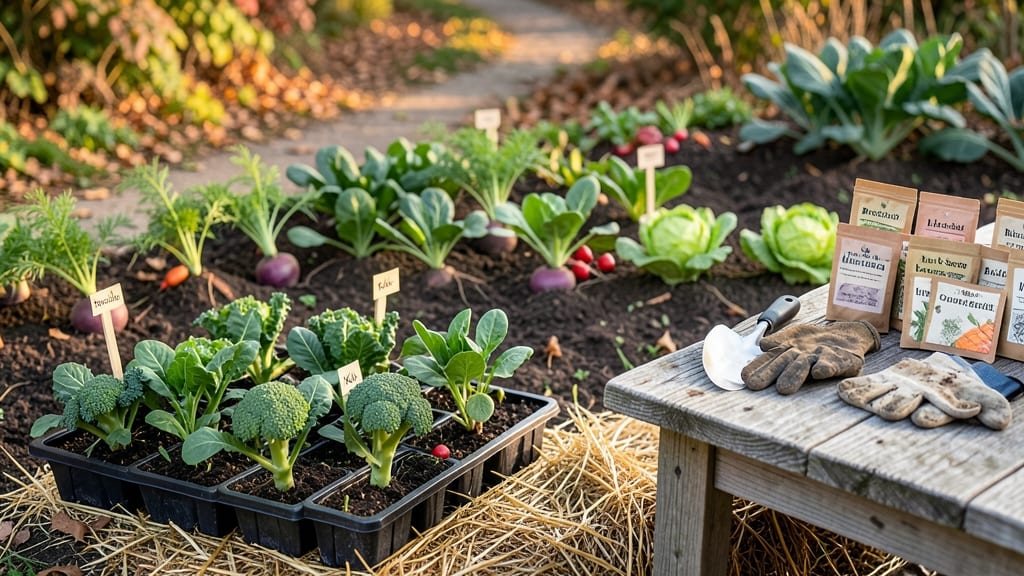
Planting a fall garden in Texas is all about timing—start 6 to 8 weeks before your first frost to beat the heat and harvest before winter sets in.
Texas gardeners know summer heat can be brutal—but with the right timing, you can still grow a thriving fall garden 🌱 before the first frost. Avoid common mistakes and maximize your harvest by planting at the perfect moment, even in the Lone Star State’s scorching climate.
In Zone 8a-10b, the ideal window stretches from mid-August to early October, depending on your region. North Texas gardeners should aim for late August, while South Texas has more flexibility until October—just watch for soil temperatures dropping below 60°F.
Below, I’ll break down the exact planting dates by region, the heat-tolerant crops that thrive in Texas summers, and how to prep your soil for a bountiful fall harvest—no matter where you are in the state.
Ideal planting windows for Texas fall gardens by region
Texas gardeners know timing is everything when it comes to fall gardens. The last frost dates and heat tolerance of crops vary dramatically from North Texas to South Texas. Planting too early risks heat stress, while planting too late means missed harvests.
The key is understanding your USDA zone and selecting heat-tolerant varieties like okra, sweet potatoes, and collard greens that thrive even as temperatures dip.
In North Texas (Zones 7b-8a), the first frost typically arrives around December 1, giving you a shorter window. Meanwhile, Central Texas (Zones 8a-8b) enjoys later frosts around November 15, and South Texas (Zones 9a-10b) may never experience frost at all.
Each region demands a tailored approach to maximize your fall harvest while avoiding common pitfalls like overwatering or poor soil prep.
Below is a detailed breakdown of the optimal planting windows for each Texas region, including last frost averages, ideal soil temperatures, and recommended crops. Use this as your roadmap to a successful fall garden, whether you're in the cooler Panhandle or the subtropical Rio Grande Valley.
For North Texas, focus on cool-season crops like collards and kale, which tolerate lower temperatures.
Plant seeds in late August to give them time to mature before frost. Central Texas gardeners have more flexibility, allowing for heat-tolerant varieties like okra and sweet potatoes planted as early as August 1.
Meanwhile, South Texas can extend planting into late September thanks to its mild winters, but avoid planting too late to prevent heat stress in seedlings.
Soil temperature is just as critical as air temperature. Most fall crops prefer soil between 60-75°F, but warm-season crops like sweet potatoes thrive in 70-85°F soils. Use a soil thermometer to check before planting—cool soils delay germination.
If your soil is too hot, consider shade cloth or mulching to regulate temperature and retain moisture.
One of my biggest mistakes early on was planting lettuce and spinach too late in Central Texas. By October 15, nights were already cooling, and the seedlings struggled to establish. Now, I plant these heat-sensitive greens by September 1 to ensure a head start.
Similarly, in South Texas, I avoid planting peppers after August 30—the combination of heat and humidity leads to fungal diseases like powdery mildew.
Extend your fall garden's productivity by succession planting. For example, sow radishes every 2 weeks from August to October in North Texas. This ensures a continuous harvest before frost. In Central and South Texas, focus on longer-season crops like broccoli and cabbage, which can handle cooler temperatures.
Always check seed packets for days to maturity and adjust planting dates accordingly.
Don’t overlook soil preparation—fall gardens thrive in well-amended soil. Work in compost or aged manure 4-6 weeks before planting to improve drainage and fertility. In clay-heavy soils common in East Texas, mix in sand or perlite to prevent compaction.
For sandy soils in West Texas, add organic matter like peat moss to retain moisture.
Watering strategies also shift in fall. While summer calls for deep, infrequent watering, fall gardens benefit from consistent moisture, especially as temperatures drop. Water in the early morning to reduce evaporation and fungal risks.
In South Texas, where humidity lingers, avoid overhead watering to prevent leaf diseases. Instead, use drip irrigation or soaker hoses for
Heat-tolerant crops that thrive in Texas fall planting
Texas summers may be scorching, but with the right heat-tolerant crops, you can still enjoy a bountiful fall harvest before frost arrives. The key is selecting varieties that thrive in warm soil and high temperatures while maturing quickly enough to avoid cold snaps.
These crops not only survive but often flourish in Texas’ late-summer heat, giving you a head start on cooler weather.
For a successful fall garden, focus on plants with fast growth rates and drought resistance. Many of these crops can handle 90°F+ temperatures and still produce abundant yields.
Whether you're in North, Central, or South Texas, these top picks will help you maximize your garden’s potential before the first frost.
🌱 Top 10 Heat-Tolerant Fall Crops for Texas
- Okra – Thrives in 100°F+ heat, ready in 50-60 days. Plant seeds August-September for fall harvests. Pro tip: Harvest pods when 3-4 inches long for tender texture.
- Sweet Potatoes – Heat-loving roots mature in 90-120 days. Start slips in late July-August for a late fall harvest. Pro tip: Use black plastic mulch to warm soil faster.
- Collard Greens – Cold-hardy but heat-tolerant when young. Plant seeds in August for harvest before frost. Pro tip: Succession plant every 2 weeks for continuous harvests.
- Black-Eyed Peas – Drought-resistant and ready in 60-70 days. Sow seeds in August-September for fall pods. Pro tip: Stake plants to prevent sprawling.
- Swiss Chard – Heat-tolerant leaves thrive in warm soil. Plant seeds in late August for fall harvests. Pro tip: Harvest outer leaves to encourage regrowth.
- Cantaloupe – Fast-growing vine with 70-90 day maturity. Plant seeds in July-August for fall fruit. Pro tip: Use black plastic mulch to speed up ripening.
- Southern Peas (Cowpeas) – Drought-resistant and ready in 60-75 days. Sow seeds in August-September for fall harvests. Pro tip: Plant near okra to share heat tolerance.
- Turnips – Fast-growing roots and greens mature in 30-50 days. Plant seeds in September for fall harvests. Pro tip: Harvest greens first to extend root production.
- Cucumbers (Bush Varieties) – Heat-tolerant vines produce in 50-60 days. Plant seeds in August for fall cucumbers. Pro tip: Use trellises to save space.
- Kale (Lacinato or Red Russian) – Cold-hardy but heat-tolerant when young. Plant seeds in late August for fall harvests. Pro tip: Harvest before bolting in cooler weather.
When planting these heat-tolerant crops, always prioritize well-draining soil and consistent moisture—even drought-resistant plants need regular watering during Texas’ dry spells. For best results, mulch around plants to retain soil moisture and regulate temperature, especially during late-summer heatwaves.
Don’t forget to monitor your garden closely as temperatures drop. While these crops handle heat well, they’ll still benefit from row covers or lightweight frost cloth if an early frost threatens. With the right timing and care, you’ll enjoy a late-summer-to-fall harvest that rivals spring plantings.
For maximum yield, pair these crops with companion plants like basil (to deter pests) or marigolds (to repel insects). A little strategic planning now means fresh produce straight from your Texas garden well into fall—no matter how hot the summer gets! 🌿