
Planting
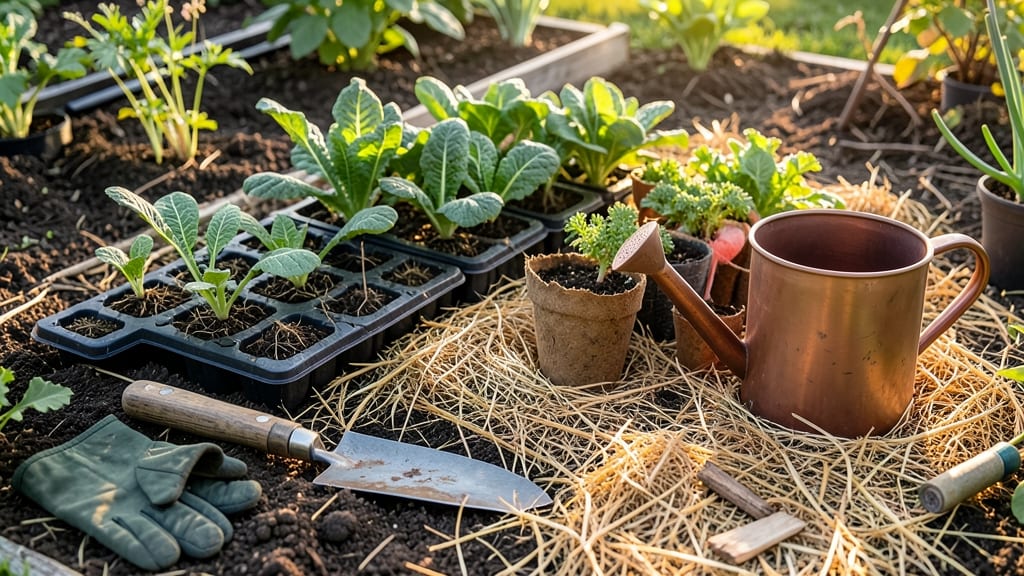
Planting a fall garden in Houston, Texas, means timing your crops between mid-August and early October to beat the first frost — and the key is choosing heat-tolerant varieties that thrive in the lingering summer heat.
Houston’s long, hot summers can make fall gardening a challenge—but with the right timing and heat-tolerant crops, you can still enjoy a bountiful harvest before the first frost. Avoid common mistakes and learn the exact planting windows for a thriving Texas fall garden.
This isn’t just about avoiding frost; it’s about working with Houston’s unique microclimates, where humidity and heat retention can either make or break your crops. The right soil prep, seed selection, and maintenance tips will give you a successful harvest from October through December.
Below, I’ll break down the ideal planting schedule, the best heat-tolerant vegetables for Houston’s fall garden, and critical mistakes to avoid—so you can enjoy fresh, homegrown produce all season long.
Houston’s fall planting calendar: exact dates for heat-tolerant crops before frost
Houston’s humid summers make fall gardening a smart choice, but timing is everything. The key is planting heat-tolerant crops 6–8 weeks before your average first frost (around December 1 in Houston).
This gives your plants enough time to mature before cooler temperatures arrive. Missing this window? You might end up with stunted growth or frost damage.
Houston’s USDA Zone 9a climate means we can grow crops well into fall, but soil temperatures start dropping in late October. Focus on fast-maturing varieties like okra, collards, and sweet potatoes—these thrive in the remaining summer heat and tolerate cooler nights.
Start by testing your soil temperature; aim for 60–85°F for optimal germination.
Here’s your month-by-month planting guide, tailored to Houston’s microclimates. Whether you’re in a urban heat island or a cooler suburban area, these dates ensure your fall garden succeeds.
| Month | Planting Window | Best Crops | Soil Prep | Notes |
|---|---|---|---|---|
| Mid-August | Direct sow or transplant | Okra, sweet potatoes, black-eyed peas | Add compost; mulch heavily | Avoid planting after August 20—heat stress risks |
| Late August | Transplant seedlings | Collards, turnips, kale | Test soil pH (6.0–7.0) | Use shade cloth for seedlings if temps exceed 90°F |
| Early September | Direct sow or transplant | Carrots, beets, radishes | Loosen soil; add aged manure | Ideal for cool-season crops—soil cools slightly |
| Mid-September | Transplant seedlings | Lettuce, spinach, broccoli | Apply balanced fertilizer (10-10-10) | Use row covers for frost protection |
| Late September | Direct sow only | Radishes, arugula, mustard greens | Mulch with straw | Fast-growing crops for late harvests |
| Early October | Transplant hardy seedlings | Brussels sprouts, cabbage | Test for soil moisture—keep even | Last chance for long-season crops |
| October 15+ | Avoid planting new crops | N/A (harvest existing) | Focus on mulching and watering | Prepare for first frost—harvest before Dec 1 |
For okra and sweet potatoes, plant in mid-August—these heat-lovers need warm soil to germinate. Transplant collards and turnips by late August, but avoid direct sowing after September 1; the soil cools too quickly.
If you’re in a cooler microclimate (e.g., north Houston), shift your planting dates 1–2 weeks earlier.
Soil preparation is critical. Houston’s clay-heavy soil drains poorly, so amend with compost or aged manure to improve aeration. Test your soil pH—most fall crops prefer 6.0–7.0.
If your soil is too acidic, add lime 4–6 weeks before planting. For containers, use a well-draining potting mix with perlite to prevent root rot.
Watering shifts in fall. In August and September, water deeply every 2–3 days to combat heat stress. By October, reduce to every 3–5 days as temperatures drop.
Always water in the morning to minimize fungal diseases like powdery mildew, which thrives in Houston’s humidity. Use drip irrigation to keep foliage dry.
Don’t forget mulching! Apply a 2–3 inch layer of straw
Top 7 heat-tolerant vegetables that thrive in Houston’s fall garden
Houston’s fall garden doesn’t have to be a lost cause—even with lingering summer heat. The key is selecting heat-tolerant vegetables that can handle 90°F+ temperatures while still producing flavorful harvests before the first frost.
These seven crops are my go-to choices for Houston’s unique climate, offering high yields, drought resistance, and adaptability to our humid, hot fall conditions.
I’ve ranked them based on yield potential, flavor, and ease of growth in Houston’s Zone 9a. Whether you’re a seasoned gardener or just starting, these vegetables will help you maximize your fall harvest while working with—not against—the heat.
Pair them with smart companion planting strategies to boost growth and deter pests naturally.
- 1 Okra – Drought-resistant, thrives in heat, and produces pods for 8+ weeks. Plant mid-August to early September.
- 2 Sweet Potatoes – Heat-loving and low-maintenance. Start slips late August for harvest before frost.
- 3 Collard Greens – Cold-hardy but tolerates heat better than kale. Plant early September for sweet, tender leaves.
- 4 Black-Eyed Peas – Drought-tolerant and nitrogen-fixing. Sow late August for a winter harvest.
- 5 Malabar Spinach – Heat-loving alternative to spinach. Plant September for continuous harvest until frost.
- 6 Peppers (Bell & Jalapeño) – Heat-set fruit in late summer. Transplant August for fall harvest.
- 7 Cucumbers (Bush Varieties) – Fast-growing and heat-tolerant. Plant early September for quick harvest.
For maximum space efficiency, I pair okra and sweet potatoes together—their deep roots complement each other. Add bush cucumbers nearby for shade that benefits heat-sensitive collard greens. Avoid planting peppers near fennel, as fennel inhibits pepper growth due to chemical interactions.
Watering is critical in Houston’s fall heat. I deep-water my plants every 2-3 days in the morning to reduce evaporation and fungal risks. Use mulch to retain moisture and keep roots cool. For extra flavor, harvest peppers and okra in the late afternoon when their sugars peak.
With these heat-tolerant vegetables and smart companion planting, your Houston fall garden will thrive—even as temperatures dip. Start planting in mid-August for a harvest that lasts until the first frost, giving you fresh produce well into December.