
Planting
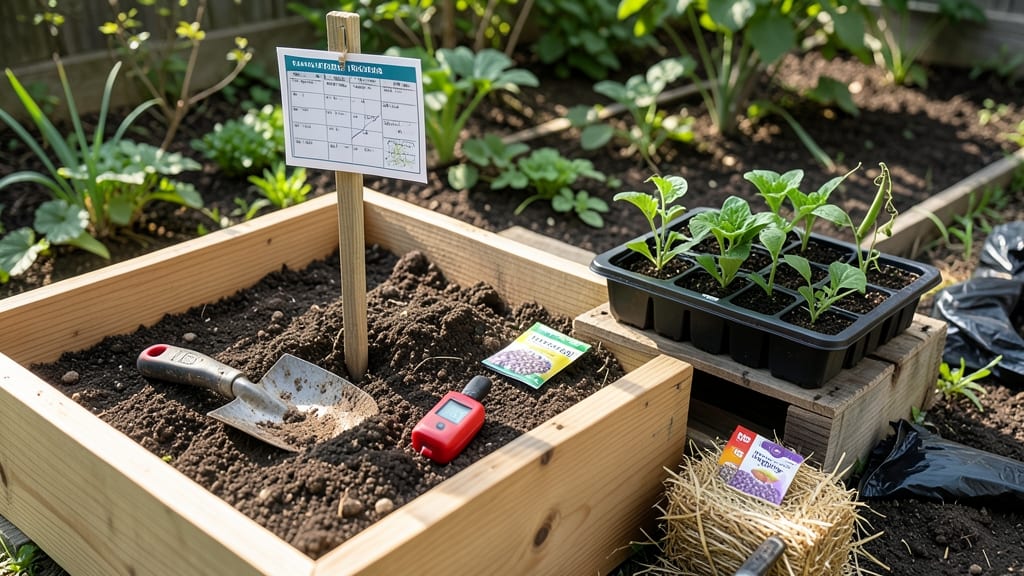
Planting a vegetable garden in Ontario 2 weeks before your last frost is the secret to a head start on fresh, cold-hardy greens like spinach and peas.
Ontario’s unpredictable frost dates can make or break your vegetable garden—plant too early, and your crops freeze; too late, and you miss peak harvests. But with the right timing, you can grow thriving 🌱 crops even in Canada’s chilly climate.
Southern Ontario gardeners can start as early as mid-April, while Northern regions may wait until late May. The key is knowing your frost-free dates and choosing the right vegetables for early planting.
In this guide, I’ll break down the best cold-hardy crops to sow, how to prep your soil, and pro tips to extend your growing season—so you’re harvesting long after your neighbors’ gardens have given up.
Ontario’s frost dates by region: when to start planting cold-hardy vegetables
Understanding Ontario’s last frost dates is your secret weapon for a thriving vegetable garden. Southern Ontario enjoys 4-6 weeks longer frost-free growing seasons than Northern regions, which means big differences in what—and when—you can plant.
For example, my garden in London typically sees its last frost around May 15, while up in Sault Ste. Marie, gardeners wait until June 1 or later.
Cold-hardy vegetables like peas, spinach, and kale can handle light frosts, but timing matters. Planting them 2 weeks before your last frost date gives them a head start while minimizing frost damage.
This window is especially critical for direct-sown seeds—they need time to germinate before temperatures drop again.
To find your exact last frost date, check the Ontario Ministry of Agriculture frost maps or use local weather tools like Environment Canada’s frost prediction tool.
I always double-check these sources because even a 2-week shift can mean the difference between a bountiful harvest and a sad, frozen garden bed.
| Region | Average Last Frost Date | Planting Window (2 Weeks Before) | Key Cold-Hardy Crops |
|---|---|---|---|
| Southern Ontario (London, Windsor, Toronto) | Mid-May (May 10-15) | Late April (April 25-May 1) | Peas, spinach, kale, lettuce, radishes |
| Central Ontario (Barrie, Peterborough, Kingston) | Late May (May 20-25) | Early May (May 5-10) | Peas, broccoli, cabbage, Swiss chard |
| Northern Ontario (Sudbury, North Bay, Sault Ste. Marie) | Early June (June 1-5) | Late May (May 15-20) | Potatoes, turnips, rutabagas, hardy greens |
| Far North (Thunder Bay, Kenora) | Mid-June (June 10-15) | Early June (June 1-5) | Cold-tolerant varieties: peas, kale, cabbage |
If you’re planting cool-season crops like broccoli or cauliflower, aim to sow seeds 4-6 weeks before your last frost date. These plants take longer to mature, so starting them early ensures they’re ready to harvest before summer heat arrives.
For example, in Toronto, I sow broccoli seeds around April 15 to give them enough time to establish before the last frost hits.
For direct-sown seeds, like radishes or lettuce, you can push the timeline even closer to your last frost date. These fast-growing crops can tolerate light frosts and often mature in just 30-40 days.
In my garden, I’ll plant radishes as late as May 10 in Southern Ontario, knowing they’ll be ready to harvest before summer arrives.
Don’t forget to account for soil temperature, too. Cold soil can delay germination, even for hardy crops. Use a soil thermometer to ensure temperatures are above 4°C (40°F) before planting.
In colder regions like Northern Ontario, you might need to wait until late May even if the frost date suggests earlier planting.
Pro tip: Use row covers or cold frames to extend your planting window by 2-3 weeks. I’ve successfully grown spinach and kale in early April by covering them with lightweight fabric. This gives you an earlier start and protects young plants from unexpected late frosts.
Finally, keep an eye on weather forecasts in the week leading up to your planting window. A sudden cold snap can push back your last frost date by 1-2 weeks.
I always have a backup plan—like extra row covers or a greenhouse—to protect my seedlings if the weather turns chilly unexpectedly.
By mastering your region’s frost dates and planting cold-hardy crops at the right time, you’ll maximize your garden’s potential and enjoy fresh vegetables all season long. Happy planting! 🌱
Best cold-hardy vegetables for early Ontario planting: what to sow 2 weeks before last frost
Timing is everything in Ontario’s short growing season, and planting 2 weeks before your last frost date gives cold-hardy vegetables the perfect head start. These resilient crops thrive in cool soil and can even handle light frosts, ensuring a bountiful harvest before summer heat arrives.
For Southern Ontario, this window typically falls in early May, while Northern regions may need to wait until late May. Always check your local frost dates—Environment Canada’s frost forecast is your best guide.
With the right choices, you’ll enjoy fresh greens and roots long before summer squash takes center stage.
- 🌱 Peas – Direct sow 2-3 weeks before last frost. Thrives in 40-50°F soil and handles light frosts. Harvest in 60-70 days.
- 🥬 Spinach – Sow 3-4 weeks before last frost. Prefers 45-55°F soil and bolts in heat. Ready in 30-50 days.
- 🥕 Radishes – Plant 2-4 weeks before last frost. Grows in 40-60°F soil and matures in 25-30 days—perfect for quick harvests.
- 🥬 Lettuce – Sow 3-4 weeks before last frost. Choose cold-hardy varieties like 'Winter Density' for 50-60 days to harvest.
- 🥦 Broccoli – Start indoors 6-8 weeks before last frost. Transplant when soil reaches 45°F for 70-90 days to maturity.
- 🥔 Potatoes – Plant 2-3 weeks before last frost. Chit tubers first and use loose, well-drained soil for 90-120 days to harvest.
- 🌿 Kale – Direct sow 4-6 weeks before last frost. Thrives in 40-60°F soil and tastes sweeter after frost. Harvest in 50-70 days.
When planting, focus on soil temperature—most cold-hardy crops need soil between 40-50°F to germinate. Use a soil thermometer to avoid delays. For faster results, mulch with straw to retain warmth and moisture, especially in cooler Northern Ontario regions.
Don’t overlook succession planting for fast growers like radishes and lettuce. Sow every 2 weeks until early June to enjoy continuous harvests. This strategy maximizes your garden space and ensures you’re not left with bolting greens when summer arrives.
For Northern Ontario, prioritize shorter-season varieties and extend the season with row covers. Crops like peas and spinach are your best bets—they tolerate cooler temperatures and give you an early harvest before the ground warms too much.
With these cold-hardy champions, you’ll beat Ontario’s short growing season and enjoy fresh, homegrown produce long before summer heat sets in. Happy planting!