
Watering
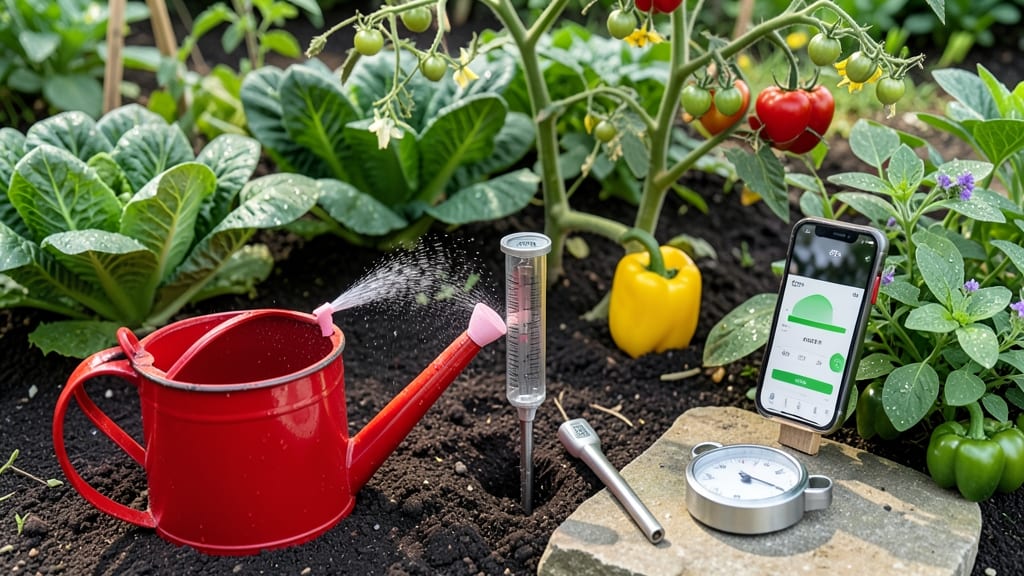
A vegetable garden needs 1 to 2 inches of water per week to thrive, but the real secret lies in when and how you deliver it—because even the hardiest plants can drown or wither if you get it wrong.
Picture this: You’re watering every morning like clockwork, yet your tomatoes still look thirsty by noon. Or worse, your lettuce bolts to seed faster than you can say "salad."
That’s because watering isn’t just about quantity—it’s about soil science, seasonal shifts, and even the time of day you’re holding that hose.
In this guide, you’ll learn how to read your garden’s thirst cues, adjust for sandy vs. clay soil, and avoid the three biggest watering mistakes that turn lush patches into sad, wilted memories. No more guessing—just science-backed rules to keep your veggies happy from spring to fall.
We’ll break down daily water needs by plant type, the best irrigation tools to save time (and water), and how to tell if you’re overdoing it—because soggy roots are just as deadly as dry ones. Let’s get your garden drinking the right way.
Seasonal watering requirements for vegetable gardens: a science-backed guide
Watering your vegetable garden isn't a one-size-fits-all task—it's a seasonal science that changes with temperature, rainfall, and plant type. I've learned that overwatering in spring can drown seedlings while underwatering in summer turns tomatoes into shriveled husks.
The key lies in understanding your garden's unique needs and adjusting your watering schedule like a pro.
Most gardeners focus on summer watering, but spring and fall require just as much attention—just in different ways. In spring, cool soil retains moisture longer, while fall's dropping temperatures slow evaporation.
Meanwhile, summer demands deep, infrequent watering to encourage strong root systems. Let's break down exactly how much water your vegetable garden needs each season.
| Season | Watering Frequency | Depth per Session | Soil Moisture Target | Best Time to Water |
|---|---|---|---|---|
| Spring | 2-3 times/week | 1-2 inches | 60-70% moisture | Morning (6-9 AM) |
| Summer | Daily (early morning) | 2-3 inches | 70-80% moisture | Before 8 AM |
| Fall | 2-3 times/week | 1-1.5 inches | 55-65% moisture | Late morning |
| Winter | As needed (1-2x/month) | 0.5-1 inch | 40-50% moisture | Midday |
Leafy greens like lettuce and spinach need consistent moisture to stay crisp, while root vegetables such as carrots and potatoes prefer deeper, less frequent watering.
I've found that tomatoes and peppers thrive with 1-2 inches of water weekly, but they'll wilt faster in USDA zones 8-10 where evaporation rates are higher. Always check soil moisture by sticking your finger 1-2 inches deep—if it feels dry, it's time to water.
Your climate zone plays a huge role in watering schedules. In arid regions, I water my garden daily in summer but only need to supplement rainfall in spring and fall.
Meanwhile, in humid climates, fungal diseases are a bigger risk, so I focus on morning watering to let foliage dry quickly. Always adjust based on recent rainfall—there's no need to water if the ground is already damp.
Mulching makes a massive difference in water retention. I use 2-3 inches of straw or wood chips around my plants to reduce evaporation by up to 30% in summer. This means I can water less frequently while keeping roots consistently moist.
For container gardens, I've switched to self-watering pots that maintain moisture levels automatically—game-changer for busy gardeners like me!
Watch for visual cues that your plants are thirsty or overwatered. Wilting leaves usually mean it's time to water, but yellowing leaves often indicate overwatering or poor drainage. I've learned that drip irrigation systems deliver water directly to roots where it's needed most, reducing waste and fungal risks.
For small gardens, a simple soaker hose works just as well.
Don't forget that newly planted seedlings need extra care—they have delicate root systems that dry out quickly. I've had the best success by keeping their soil consistently moist (not soggy) during their first 2-3 weeks.
Once established, most vegetables can handle slightly drier conditions, but they'll always produce better with proper hydration.
As seasons change, so should your watering routine. Spring is about establishing roots, summer demands deep hydration, fall slows growth, and winter often requires minimal watering. By paying attention to these seasonal shifts and adjusting accordingly, you'll have a vegetable garden that thrives year-round.
Remember, the golden rule is to water deeply and infrequently—this encourages strong root systems that can access moisture from deeper soil layers. With these science-backed guidelines, you'll never guess again about how much water your vegetable garden truly needs.
How to calculate daily water needs for your vegetable garden (without guessing)
Figuring out how much water your vegetable garden needs can feel like solving a puzzle—especially when you’re balancing leafy greens that wilt fast with root crops that hate soggy soil. The truth? It’s all about understanding your soil type, plant types, and weather patterns.
I’ve watered gardens for over a decade, and I can tell you: guessing leads to wasted water or stunted plants. Let’s break it down into a simple, science-backed method so you never over- or under-water again.
Start by checking your soil moisture before you water. Stick your finger about 1 inch deep—if it feels dry, it’s time. But if it’s damp, hold off. Sandy soil drains fast and needs frequent, shallow watering, while clay soil holds moisture longer and requires deeper, less frequent watering.
Your local climate zone also plays a huge role: hot, dry summers demand more water than cool springs. By tuning into these factors, you’ll create a watering schedule that keeps your veggies thriving without the guesswork.
Step-by-Step Water Needs Calculator
- Check soil type: Sandy (dry fast) vs. Clay (holds moisture)
- Group plants by water needs: Lettuce (1" weekly) vs. Tomatoes (2" weekly)
- Monitor weather: Add 50% more water in 90°F+ heat
- Water deeply: 6-8 inches per session for mature plants
- Watch for signs: Wilting (underwater), yellow leaves (overwater)
Don’t ignore the signs your plants send. Yellowing leaves often mean you’re overwatering, while crispy edges or wilting in the afternoon signal thirst. Leaf curl in tomatoes or bolting lettuce can also point to inconsistent moisture.
Pro tip: Water in the early morning to reduce evaporation and fungal risks. If you’re using a drip irrigation system, set it to deliver water slowly over 1-2 hours for the best absorption.
Adjust your watering based on plant maturity. Seedlings need less water than established plants, and fruiting veggies like peppers and cucumbers demand more as they grow. A mulch layer (2-3 inches of straw or wood chips) can cut water needs by up to 30% by locking in moisture.
For container gardens, check soil moisture daily—potted plants dry out faster than in-ground ones. By paying attention to these details, you’ll avoid both drought stress and root rot.
Use a rain gauge to track natural water input. If you’ve had 0.5 inches of rain, reduce your watering by half. In drought-prone areas, consider xeriscaping techniques like planting drought-tolerant veggies (e.g., Swiss chard, kale) or using hydrogel crystals to retain moisture.
Remember, the goal isn’t to keep soil soggy—it’s to provide consistent moisture at the root zone, where plants absorb water most efficiently.
Track your watering routine in a garden journal. Note what works (and what doesn’t) for your specific setup. Over time, you’ll notice patterns—like how your tomato plants thrive with 1.5 inches of water 3 times a week in summer, while your carrots prefer 1 inch twice a week.
This personalized approach ensures your garden gets exactly what it needs, no more, no less. With these steps, you’ll water like a pro and watch your vegetables flourish all season long.
💧