
Planting
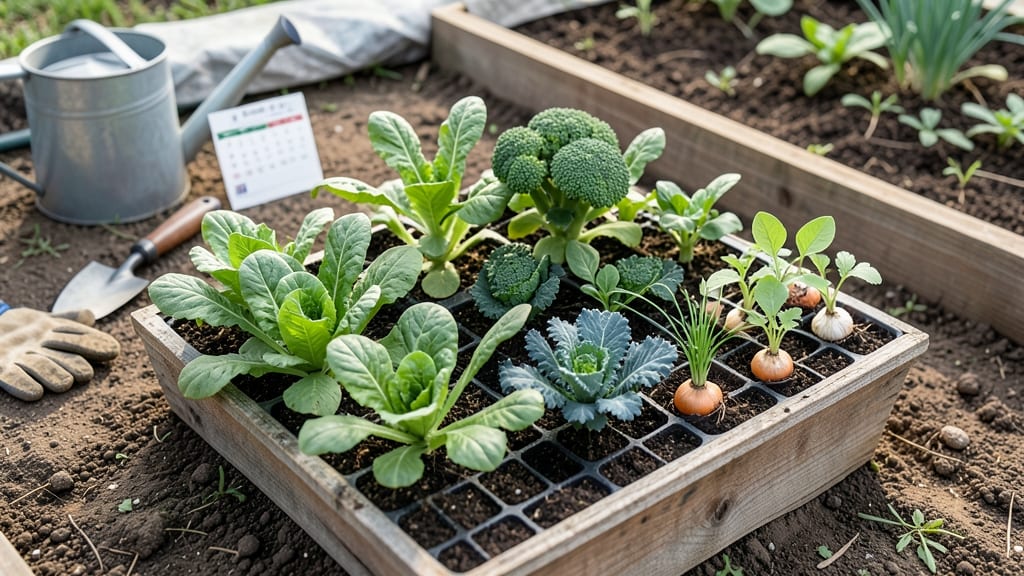
Planting a vegetable garden in Northern California at the right time means the difference between a bountiful harvest and a frost-killed disappointment.
Northern California’s diverse microclimates—from coastal fog to inland heat—can turn gardening success into a guessing game if you plant at the wrong time. But with the right timing, you can enjoy a thriving vegetable garden with minimal risk of frost or heat stress.
Coastal areas like San Francisco and Monterey have later frost dates than inland zones, while the Sacramento Valley and Sierra foothills face earlier heat waves. This means your planting schedule should shift depending on where you live, even if you’re just a few miles apart.
In this guide, I’ll break down the best planting windows for cool-season crops like lettuce and peas, warm-season favorites like tomatoes and peppers, and year-round options such as herbs and broccoli—so you can start your garden with confidence.
Northern California planting zones: microclimate breakdown by region
Northern California’s gardening calendar isn’t one-size-fits-all—its diverse microclimates demand precision. Coastal areas like San Francisco and Monterey enjoy milder winters with late spring frosts, while inland zones like Sacramento Valley face earlier freezes and scorching summers.
Even the Sierra foothills play by their own rules with cooler nights and delayed planting windows.
Understanding these variations is key to avoiding frost damage or heat stress in your vegetable garden. For example, coastal regions can plant warm-season crops like tomatoes weeks earlier than Sacramento, where heatwaves can strike by June. Let’s break down the planting timelines that align with each region’s unique climate patterns.
Last frost dates vary dramatically—coastal areas may see their final frost in March or April, while inland valleys can experience late frosts as late as May. High-elevation foothills often have a shorter growing season, requiring earlier starts for cool-season crops. These differences mean your planting schedule must adapt based on elevation, proximity to the ocean, and local topography.
In coastal regions, the foggy summers create a unique challenge—warm-season crops like peppers and eggplants thrive, but heat-loving tomatoes may need afternoon shade. I’ve found that planting tomatoes in May and providing 30% shade cloth prevents sunscald while still ensuring a bountiful harvest.
Meanwhile, cool-season crops like kale and spinach can often overwinter with minimal protection.
For the Bay Area, the transition from cool coastal breezes to inland heat is abrupt. Urban heat islands in cities like Oakland can push temperatures 10°F higher than nearby coastal areas.
This means warm-season planting should start 2-3 weeks earlier in these microclimates. I recommend monitoring local weather stations or using UC Master Gardener resources for real-time adjustments.
The Sacramento Valley presents the most extreme contrast—late spring frosts can damage tender seedlings, while summer heatwaves (often exceeding 100°F) stress even the hardiest plants. My strategy here is to start seeds indoors by March and transplant after the last frost date.
For heat-sensitive crops like basil, I use drip irrigation and mulch heavily to keep roots cool.
High-elevation Sierra foothills gardens benefit from cooler temperatures, but the
Best vegetables for Northern California seasons: what to plant month-by-month
Northern California’s diverse microclimates mean your coastal garden in San Francisco won’t match the inland heat of Sacramento. But with the right seasonal timing, you can grow a year-round harvest of fresh vegetables.
Let’s break down the best cool-season crops, warm-season staples, and year-round options for each month.
For coastal areas (like Marin or Monterey), start cool-season crops like kale and carrots in early September to avoid late-season heat.
Inland areas can wait until October for these same crops. Warm-season vegetables like tomatoes and peppers thrive when planted after your last frost date, which varies from March in coastal zones to May inland.
Year-round options like lettuce, herbs, and broccoli offer flexibility, while succession planting ensures continuous harvests. Below is your month-by-month planting guide tailored to Northern California’s unique growing conditions.
| Month | Cool-Season Crops | Warm-Season Crops | Year-Round Options | Notes |
|---|---|---|---|---|
| January | Kale, Carrots, Peas, Lettuce | None | Spinach, Radishes, Cilantro | Protect from frost with row covers. |
| February | Broccoli, Cabbage, Beets | None | Arugula, Green Onions, Parsley | Start seeds indoors for early spring. |
| March | Peas, Spinach, Lettuce | Tomatoes (coastal) | Basil, Chives, Dill | Harden off seedlings before transplanting. |
| April | Kale, Radishes, Green Onions | Peppers, Eggplant, Zucchini | Cilantro, Mint, Thyme | Mulch to retain moisture for warm crops. |
| May | None (heat-sensitive) | Tomatoes, Cucumbers, Squash | Basil, Oregano, Rosemary | Use shade cloth for coastal heatwaves. |
| June-August | None | Peppers, Okra, Sweet Potatoes | All Herbs | Succession plant warm crops every 2 weeks. |
| September | Kale, Carrots, Beets | Tomatoes (late varieties) |