
Planting
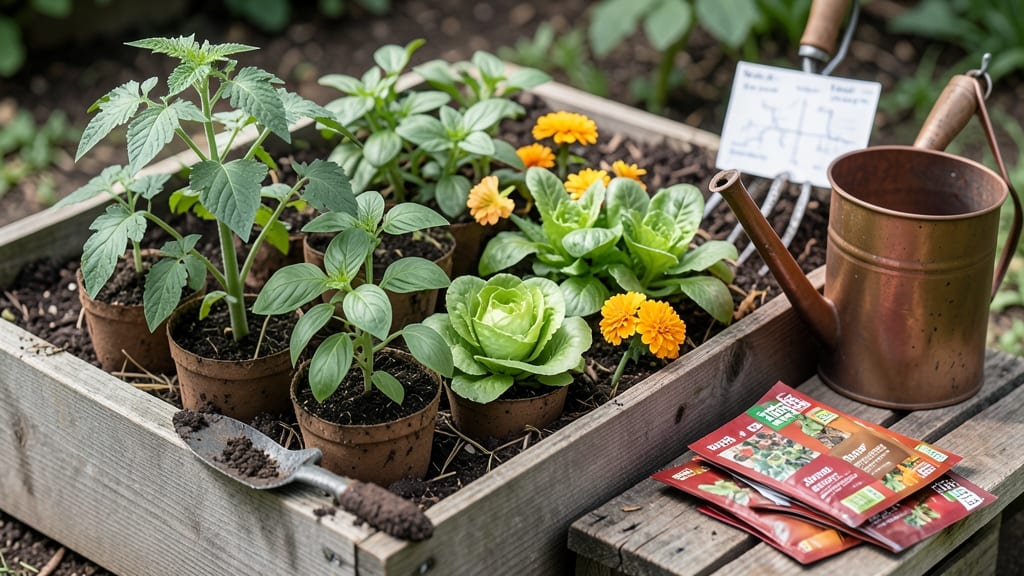
To plant a garden in the right season means the difference between lush harvests and wasted effort—and your local microclimate holds the key to nailing the timing.
Timing your garden planting wrong can mean wasted seeds, stunted growth, or even total crop failure—but knowing your exact microclimate zone can turn guesswork into a foolproof system. Whether you're in Zone 6a or a coastal pocket with milder winters, the rules shift faster than you think.
Most guides oversimplify by zone alone, but elevation, urban heat islands, and nearby water bodies can push your planting window 2-4 weeks earlier or later.
For example, in Zone 6a, where frost typically lingers until April 15, cool-season crops like spinach can go in as early as February—but tomatoes? Wait until the soil hits 60°F, usually late May.
Below, I break down how to pinpoint your true planting window, adjust for local quirks, and use a month-by-month calendar that keeps your garden thriving year after year.
How to determine your exact planting Zone and microclimate adjustments
Getting your planting timing wrong can mean the difference between a thriving garden and wasted effort. Your USDA hardiness zone is the starting point, but your local microclimate—like elevation, urban heat, or nearby water—can shift your planting window by 2-4 weeks.
Let's break down how to pinpoint your exact zone and adjust for your unique growing conditions.
First, find your USDA zone using the Zone Finder Tool from the USDA or Plant Maps. Simply enter your ZIP code to get your official zone (e.g., Zone 6a or Zone 8b).
This tells you the average minimum winter temperatures your plants can tolerate, but it doesn’t account for your specific yard’s quirks.
Next, track your last frost date and first frost date for the past 5 years. Check local weather records or use tools like Almanac’s Frost Calculator. These dates determine when to plant cool-season crops (like lettuce) and when to harden off tender plants (like tomatoes) before the first frost.
Now, observe your microclimate adjustments. Urban areas often experience heat islands that delay frost by 1-2 weeks, while valleys can have earlier frosts than surrounding areas. Water bodies (lakes, rivers) can add 10-15°F warmth in winter, extending your growing season.
Elevation also plays a critical role. For every 1,000 feet you gain, temperatures drop by 3.5°F, which can shift your zone by one letter (e.g., Zone 7a at sea level becomes Zone 6b at 3,000 feet). Use this elevation adjustment calculator to refine your zone further.
Here’s how your microclimate might shift your planting window:
| Microclimate Factor | Effect on Planting Window | Adjustment Example |
|---|---|---|
| Urban Heat Island | Delays first frost by 1-2 weeks | Plant tomatoes 2 weeks earlier than zone guide |
| Valley or Lowland | Earlier frost by 1-3 weeks | Start seeds indoors 3 weeks earlier |
| Near Large Water Body | Warmer microclimate, later frost | Extend fall planting by 3 weeks |
| High Elevation (1,000+ ft) | Cooler temps, shorter season | Choose cold-hardy varieties (e.g., kale, carrots) |
| South-Facing Slope | Warmer by 5-10°F, earlier planting | Plant peas 2 weeks before zone average |
To fine-tune your planting schedule, use a garden journal to log frost dates, soil temperatures, and plant performance for 2-3 years. Note which cool-season crops thrive in early spring and which warm-season crops bolt in heat.
For example, if your Zone 7a garden gets hotter than average, opt for heat-tolerant varieties like Okra or Sweet Potatoes instead of traditional tomatoes.
Download the USDA Plant Hardiness Zone Map and overlay it with your local frost data. Then, adjust your planting dates based on your microclimate. For instance, if you’re in Zone 5b but live near a lake, you might plant cucumbers in early June instead of mid-June.
Always err on the side of caution—late frosts are more damaging than early starts.
Pro tip: Use frost cloth or row covers to extend your season by 2-4 weeks in spring and fall. These simple tools can turn a Zone 6a garden into a near-Zone 7a one for early and late plantings.
Finally, consult your local cooperative extension service for hyper-local advice. They often have decade-long records of frost dates and crop success in your area. With these tools and adjustments, you’ll never guess your planting window again—just calculate it.
Best planting calendar by Zone: cool vs. warm season crops decoded
Planting your garden at the right time means the difference between a bountiful harvest and wasted seeds. Cool-season crops like spinach and kale thrive in spring and fall, while tomatoes and peppers need warm soil and consistent heat.
Your USDA zone determines when to plant, but microclimates can shift those windows by weeks.
Southern gardens in Zones 8-10 can plant warm-season crops as early as February, while Zone 3 gardeners must wait until late May to avoid late frosts. The key? Know your last frost date and soil temperature—most seeds need 60°F+ soil to germinate properly.
False springs are the gardener’s worst enemy. A 40°F night in April can kill tender seedlings overnight. That’s why I always plant cool-season crops 4-6 weeks before the last frost and warm-season crops 2-3 weeks after.
For Zone 3-4 gardeners, cold-hardy varieties like kale and peas can handle light frosts, but tomatoes and cucumbers need consistent warmth. Start seeds indoors 6-8 weeks before the last frost to get a head start.
In Zones 9-10, heat-tolerant varieties like Okra and Sweet Potatoes thrive year-round. I’ve seen tomatoes planted in January with shade cloth to prevent bolting. The trick? Drip irrigation and mulch to keep roots cool.
Always check your local frost dates—they can vary by 2-3 weeks even within the same zone. A 5-day forecast for 50°F nights is your cue to cover tender plants or harvest before frost.
With the right timing, your garden will reward you with abundant harvests all season long. 🌱