
Planting
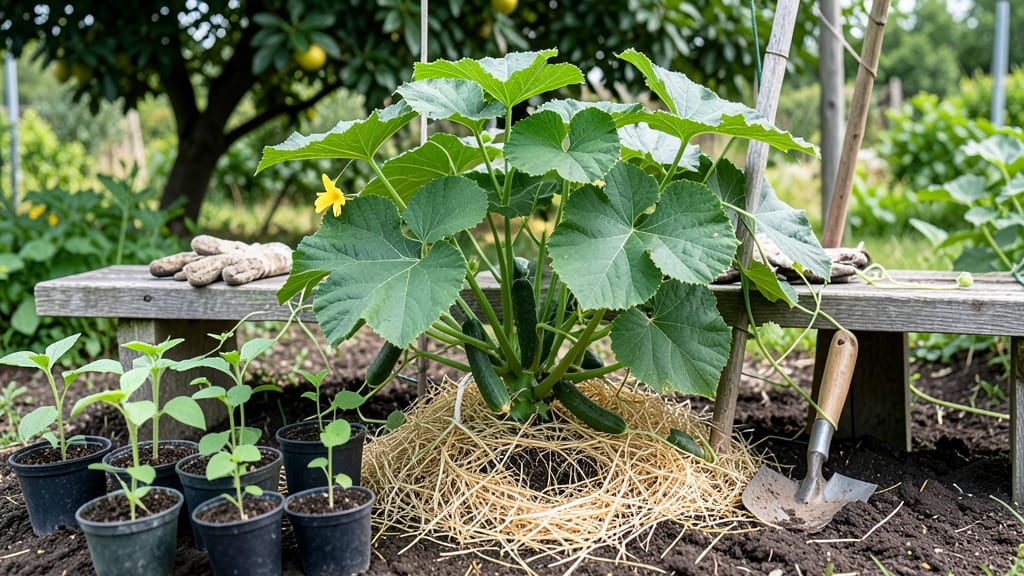
To plant cucumbers in a garden 🥒, start by choosing the right location and spacing—this single step determines whether your vines sprawl or thrive.
Picture this: you’ve spent weeks nurturing seedlings, only to watch them fight for sunlight and water because they’re too close together. The right spacing isn’t just about aesthetics—it’s the difference between a bountiful harvest and a handful of bitter cucumbers.
In Zone 6, where the growing season stretches from late April to September, timing and placement matter just as much as soil prep. Whether you’re working with bush varieties or climbing vines, proper spacing ensures strong roots and healthy growth from day one.
Below, I’ll walk you through the exact spacing tricks, soil prep, and early care tips to set your cucumbers up for success—no guesswork, just results.

Optimal cucumber planting spacing: vining vs. bush types explained
Cucumbers thrive when planted with precision—get spacing wrong, and your vines will compete for sunlight, water, and nutrients, leading to bitter fruit or stunted growth. The key difference lies in whether you're growing vining varieties that climb trellises or bush types that spread horizontally.
Each requires distinct spacing to maximize yield and plant health.
For vining cucumbers, proper spacing prevents overcrowding and encourages upward growth, while bush varieties need room to spread without competing for air circulation. Both types demand well-draining soil rich in organic matter, but their spacing requirements differ significantly.
Let’s break down the exact measurements for each to ensure your cucumbers flourish.
When planting vining cucumbers, space them 2–3 feet apart in rows 4–6 feet apart to allow vines to sprawl upward without tangling. Without a trellis, vines will sprawl on the ground, increasing disease risk and reducing airflow.
For bush varieties, tighten spacing to 1–2 feet apart in rows 3–4 feet apart, as they stay compact and don’t require vertical support.
A common mistake is overcrowding cucumbers, which leads to powdery mildew and poor fruit development. Overpacked plants struggle to access sunlight, causing fruits to turn bitter. Always prioritize air circulation—this is especially critical in humid climates where fungal diseases thrive.
If you’re short on space, opt for bush varieties or train vining types onto a trellis to save ground area.
Soil preparation is just as critical as spacing. Amend your garden bed with compost or well-rotted manure to improve drainage and fertility. Cucumbers prefer slightly acidic to neutral soil (pH 6.0–6.8).
Before planting, mix in a balanced fertilizer (10-10-10) to provide essential nutrients. Avoid fresh manure, as it can burn young roots and attract pests like slugs.
For container gardening, choose bush varieties or dwarf vining types like 'Spacemaster' or 'Bush Champion'. Use 5-gallon pots with drainage holes and fill them with a lightweight potting mix.
Place containers in full sun (6+ hours daily) and water daily during hot weather, as pots dry out faster than in-ground soil. A small trellis or cage can help support vining types in containers.
Another pro tip: interplant cucumbers with radishes or lettuce to maximize space efficiency. Radishes mature quickly and can be harvested before cucumbers need full space. Avoid planting cucumbers near potatoes or sage, as these plants compete for nutrients or release allelopathic chemicals that inhibit growth.
Instead, pair them with marigolds or beans to deter pests and improve soil health.
After planting, mulch around the base with straw or shredded leaves to retain moisture and suppress weeds. This is especially important in dry climates where soil can dry out quickly. Water deeply at the base of the plant in the morning to encourage strong root development.
Avoid wetting the leaves, as this promotes fungal diseases like downy mildew—a common issue in cucumber gardens.
Monitor your cucumbers for yellowing leaves, which may indicate nutrient deficiencies or overwatering. If leaves curl or appear brittle, check for aphids or cucumber beetles, both of which can devastate plants if left unchecked.
Use neem oil or insecticidal soap for organic pest control, and remove affected leaves immediately to prevent spread.
By following these spacing guidelines and soil prep tips, you’ll set your cucumbers up for a bountiful harvest. Whether you’re growing vining varieties on a trellis or bush types in tight rows, proper spacing ensures healthy plants, fewer pests, and sweeter, more abundant fruit all season long.
Happy gardening! 🥒
Step-by-step guide to planting cucumbers for maximum growth
Timing is everything when planting cucumbers. Wait until the soil reaches at least 60°F (15°C) and all danger of frost has passed—typically late April to early May in Zone 6.
Cold soil slows germination, while frost will kill young seedlings. I always check my local frost dates to avoid planting too early, even if the weather seems warm.
Before you plant, test your soil pH—cucumbers prefer a slightly acidic to neutral range of 6.0 to 6.8.
If your soil is too alkaline, mix in composted manure or peat moss to lower the pH. I also add a 2-inch layer of compost to the top 6 inches of soil for nutrients. Well-draining soil is critical; cucumbers hate soggy roots, which can lead to rot.
Now, let’s get to the planting! Follow these steps for healthy cucumber vines that produce abundantly:
After planting, monitor your cucumbers closely. The first 2 weeks are critical for root establishment. If seedlings look wilted, water gently and check for adequate sunlight. I’ve found that morning watering (before 10 AM) reduces fungal risks like powdery mildew, which thrives in damp foliage.
Once vines start climbing or sprawling, consider installing a trellis or cage to save space and improve air circulation. This isn’t just for aesthetics—it reduces disease and makes harvesting easier. I’ve seen 30% larger yields in trellised cucumbers compared to sprawling plants!
With these steps, your cucumbers will establish strong roots and thrive, setting the stage for a bountiful harvest in just 50-70 days. Happy planting! 🌱🥒