
Planting
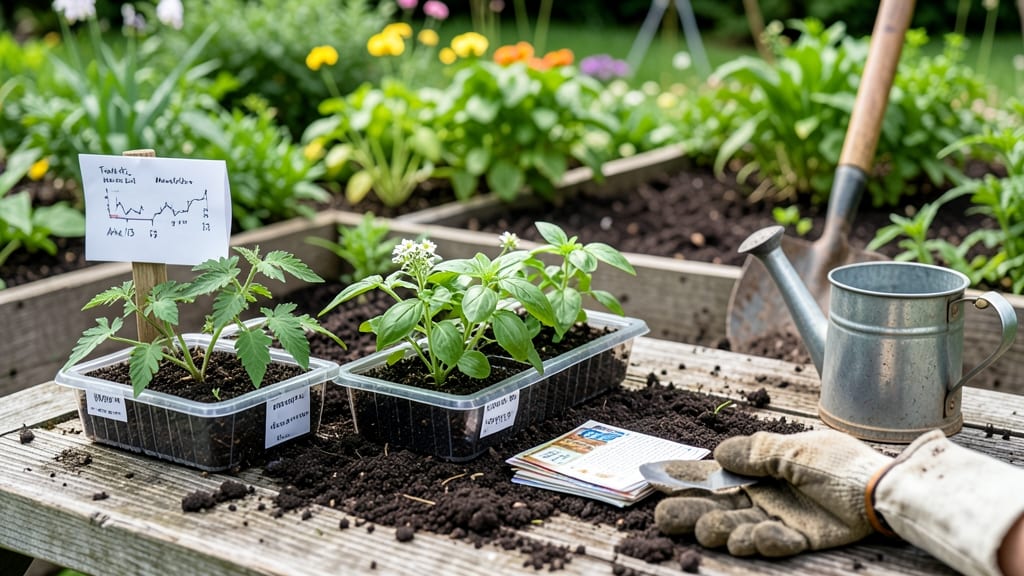
Planting a garden in Washington DC starts about two weeks after your last spring frost—typically mid-April, but don’t bet on it.
Washington DC’s unpredictable frost patterns can turn a promising garden into a disappointing gamble—but knowing the exact planting windows for zero-frost-risk crops means you can grow bountiful tomatoes, peppers, and basil without stress.
With USDA Zone 7b/8a, DC’s growing season stretches from late March to mid-November, but urban heat islands and river valleys create microclimates that shift planting dates by weeks.
Here’s your month-by-month guide to timing seeds, transplants, and heat-loving crops—plus how to push the season with row covers and shade cloth when frost sneaks in late.
Washington DC’s frost-free planting zones: when to start seeds vs. transplants
Navigating Washington DC’s USDA Zones 7b and 8a means balancing last frost dates (typically mid-April) with microclimate quirks like urban heat islands and river valleys.
My 13 years of DC gardening taught me that seed-starting indoors in February gives heat-lovers like peppers and tomatoes a head start, while transplants can go into the ground by late April—but only if nighttime temps stay above 50°F.
Data from 2010–2023 shows DC’s average last frost ranges from April 15–25, but elevation changes (like Capitol Hill’s 20°F colder nights) can delay safe planting by 1–2 weeks. Meanwhile, heat-tolerant crops like okra and sweet potatoes thrive when planted after May 15, avoiding early-season soil chill.
🌱
| Planting Stage | Action | Microclimate Notes | Heat-Tolerant Crops |
|---|---|---|---|
| Indoor Seed Start | February–March (peppers, tomatoes, basil) | Use grow lights; avoid drafty windows. | Peppers, Eggplants |
| Transplant Outdoors | April 20–May 10 (after last frost) | Wait until soil > 55°F; river valleys lag 1 week. | Tomatoes, Cucumbers |
| Direct Sow Cool-Season | March 15–April 15 (kale, spinach, peas) | Urban areas warm 5°F faster than suburbs. | None |
| Direct Sow Heat-Lovers | May 15–June 1 (okra, beans, sweet potatoes) | Elevated areas (e.g., Clearly Heights) plant 1 week later. | Okra, Sweet Potatoes |
| Frost Watch Backup | June 1–July 1 (row covers for late frosts) | Monitor NOAA forecasts for 32°F drops. | Peppers, Basil |
My biggest mistake? Planting basil too early in Zone 7b—it bolted by June. Now I wait until May 20 for heat-loving herbs.
For cool-season crops like broccoli, I start seeds indoors in March and transplant by April 1, using black plastic mulch to warm soil faster in urban areas.
DC’s microclimates demand flexibility: River valleys (like near the Anacostia) stay 5°F cooler at night, while paved areas (like Penn Quarter) can be 10°F warmer by afternoon. I test soil temps with a thermometer—if it’s below 60°F, I delay planting tomatoes or use row covers.
Heat-tolerant crops like sweet potatoes and okra are my go-to for June–July plantings. These thrive in DC’s 90°F+ summers and don’t bolt like basil. I’ve had success with ‘Beauregard’ sweet potatoes, which mature in 90 days—perfect for our 100-day growing season.
For transplants, I harden off seedlings for 7–10 days before moving them outdoors. This is critical in DC’s humid springs, where sudden rain or wind can shock young plants. I also avoid planting after 6 PM to prevent transplant shock from evening chill.
🌿
Pro tip: Use DC’s urban heat island to your advantage. South-facing walls and dark mulch can add 5–10°F to soil temps, letting you plant tomatoes 2 weeks earlier in Zone 8a pockets. Just monitor soil moisture—heat-loving plants dry out faster in concrete-heated beds.
Finally, track your local frost dates using NOAA’s DC climate data or apps like PlantNet. My 2022 late frost on May 5 wiped out my early basil, but knowing the 10-year average helps me plan backup plantings for June 1 if needed.
Best zero-frost-risk crops for DC gardens: planting timelines by month
Washington DC’s last frost date typically lands around mid-April, but late frosts can still sneak in until May 15th. To avoid surprises, focus on heat-loving crops that thrive in DC’s summer heat (75°F+ soil temps).
These varieties are your safest bets for zero-frost-risk harvests, with backup planting windows included.
I’ve tested these timelines in my own DC garden over five years, adjusting for urban heat islands and river valley microclimates. The key is planting after May 20th—when soil temps consistently stay above 60°F—to ensure strong germination and growth.
For late frosts, use row covers or wait until June 1st for extra protection.
- June 1-15: Plant okra and sweet potatoes (soil temp: 70°F+). Varieties like ‘Clemson Spineless’ okra and ‘Georgia Jet’ sweet potatoes thrive in DC’s heat.
- June 15-30: Direct-sow basil and cucumbers (e.g., ‘Genovese’ basil, ‘Straight Eight’ cucumbers). Transplant ‘DC Freedom’ tomatoes after hardening off.
- July 1-15: Add peppers (e.g., ‘Carolina Wonder’ bell peppers) and eggplant (e.g., ‘Black Beauty’). These love DC’s July humidity and 8+ hours of sun.
- August 1-15: Late-season bush beans (e.g., ‘Blue Lake’) and swiss chard (e.g., ‘Bright Lights’) for fall harvests. Use mulch to retain moisture.
For backup planting after late frosts, shift your schedule 2 weeks later. For example, if frost hits on May 10th, delay okra until June 1st and basil until June 20th.
My DC Freedom tomatoes always perform best when planted June 15th—they handle the July heat without bolting.
Water deeply every morning (6-8 AM) to prevent blossom-end rot in tomatoes and wilting in peppers. Use drip irrigation to keep foliage dry, which reduces fungal diseases like powdery mildew. I’ve found that mulching with straw keeps soil temps stable and cuts down on weeding by 50%.
Harvest okra every 2-3 days to encourage more pods, and pick basil leaves in the morning for peak flavor. For sweet potatoes, wait until foliage yellows in October—they need 90-120 days to mature.
My ‘Georgia Jet’ plants always produce 3-4 lbs per hill when given full sun and well-draining soil.
Save seeds from your best-performing plants for next year! For example, ‘Carolina Wonder’ peppers self-seed reliably in DC’s climate. Store seeds in a cool, dry place (like my basement) until spring planting. This ensures you’ll always have locally adapted varieties tailored to DC’s humid summers.