
Planting
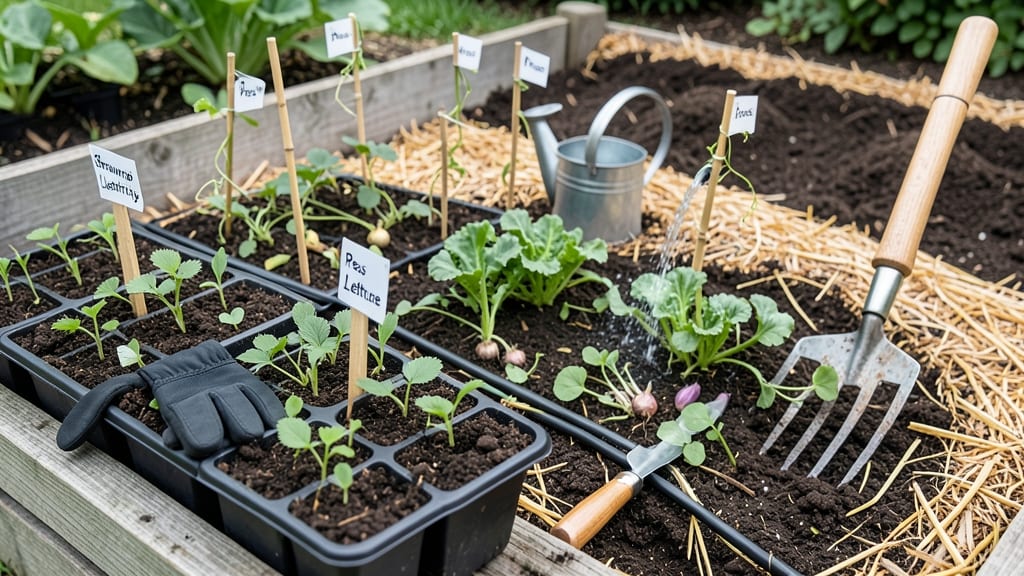
Planting a garden in Washington State at the right time means the difference between a thriving harvest and a sad, wilted mess.
Washington’s diverse climate—from coastal rainforests to high-desert plateaus—means planting your garden at the wrong time can spell disaster. But with the right timing, you’ll enjoy bountiful harvests year after year.
In the Puget Sound, cool springs delay planting until mid-April, while Eastern WA’s dry heat lets you start as early as March. Get the zone-specific dates wrong, and you’ll either freeze tender seedlings or watch them bolt in the heat.
Below, I break down the exact windows for your region, plus the crops that thrive in each season—so you can finally stop guessing and start growing.
Washington State planting zones: key dates by region (coastal vs. inland vs. high desert)
Washington State spans USDA Hardiness Zones 7-9, creating dramatic differences in planting windows. The Puget Sound region (Zone 8) enjoys milder winters, while the High Desert (Zone 7) faces earlier frosts. Even nearby areas can have 2-3 week differences in last frost dates—critical for timing your garden.
Understanding these zones helps you avoid frost damage to tender plants like tomatoes or peppers. Coastal areas often have cooler summers and warmer winters than inland zones, while high-desert regions experience hotter days and colder nights.
Altitude also plays a role—every 1,000 feet gain can shift your effective zone by 0.5.
Let’s break down the key planting windows by region, including last frost dates, ideal transplant times, and microclimate adjustments for urban vs. rural gardens.
| Region | USDA Zone | Last Frost Date | First Frost Date | Spring Planting Window | Fall Planting Window |
|---|---|---|---|---|---|
| Coastal (Puget Sound) | Zone 8a-8b | March 15-April 15 | October 15-November 1 | April 1-May 15 | August 1-September 15 |
| Inland (Seattle East, Yakima Valley) | Zone 7b-8a | April 1-May 1 | October 1-November 15 | May 1-June 1 | July 15-September 1 |
| High Desert (Spokane, Wenatchee) | Zone 6b-7a | May 1-June 1 | September 15-October 15 | June 1-July 1 | July 1-August 15 |
In Zone 8 coastal areas like Seattle or Bellingham, you can start cool-season crops like peas and spinach as early as February in containers. By April 15, the risk of frost drops significantly, making it safe to plant warm-season veggies like tomatoes and peppers.
Urban gardens in these zones may experience microclimates—south-facing walls can warm up faster, allowing earlier planting.
Moving east to Zone 7b inland, areas like Yakima Valley or Wenatchee have 2-3 weeks later last frosts. This delay means wait until May 1 for tomatoes or peppers to avoid frost damage.
However, the hotter summers here make it ideal for heat-loving crops like okra or sweet potatoes, which thrive in the longer growing season.
High-desert regions in Zone 6b-7a (Spokane, Moses Lake) have the shortest growing seasons. Wait until June 1 to plant tomatoes or peppers, and focus on fast-maturing varieties. The dry climate also means you’ll need to water deeply and frequently—often 2-3x per week in summer.
For perennials and shrubs, timing matters too. Plant bare-root roses or fruit trees in early spring (March-April) in coastal zones, but delay until May in the High Desert. Bulbs like tulips should go in the ground by November everywhere to establish roots before winter.
Pro tip: Use row covers or cold frames to extend your spring planting window by 2-4 weeks in colder zones. This lets you start spinach or lettuce in March even in Spokane. Just remove covers when temps rise above 50°F to avoid overheating.
Always check local weather forecasts for 10-day outlooks before planting tender crops. A late frost in May can wipe out your tomato seedlings—so when in doubt, wait one more week.
Best crops for Washington’s planting seasons: what to sow when for maximum yield
Washington’s diverse microclimates mean your spring strawberries in Skagit County thrive while summer tomatoes in Yakima Valley burst with flavor. Timing is everything—plant too early, and frost zaps your seedlings; too late, and heat stress stunts growth.
The key? Matching cold-hardy crops to early springs and heat-loving veggies to summer’s long days. Let’s break it down by season for maximum yield in your garden.
Start with cool-season crops like kale, peas, and spinach in late winter (February–March) for coastal areas, or wait until April in inland zones. These fast-growing greens tolerate light frosts and thrive in 50–60°F soil.
Meanwhile, asparagus crowns and rhubarb roots planted in early spring (March–April) establish roots before summer’s heat. For high-value perennials, patience pays off—wait until soil warms to 60°F+ before transplanting.
- 1 Early Spring (Feb–April): Strawberries, peas, spinach, asparagus crowns (coastal: Feb; inland: April).
- 2 Late Spring (May–June): Tomatoes, peppers, beans, cucumbers (after last frost; soil 60°F+).
- 3 Summer (July–Aug): Succession plant bush beans, lettuce, radishes for fall harvests (high desert: July; coast: August).
- 4 Fall (Sept–Oct): Kale, carrots, garlic, overwintering onions (6–8 weeks before first frost).
- 5 Perennials: Rhubarb (March), asparagus (April), fruiting bushes (dormant season; Nov–March).
For heat-tolerant crops, wait until soil reaches 70°F+ before planting tomatoes, peppers, and eggplants in late May–June. Inland areas like Yakima Valley can start earlier (May 1), while coastal Olympia may need to wait until June 1.
Use row covers to extend seasons—protect cabbage and broccoli from late frosts in April or shield melons from early fall chills.
Don’t overlook succession planting! After harvesting early radishes or lettuce, replant with fast-growing crops like bush beans or turnips. In high-desert zones, focus on drought-tolerant varieties (e.g., cherry tomatoes, zucchini) and water deeply 2–3 times per week once established.
Mulch with straw or wood chips to retain moisture and regulate soil temperature.
Pro tip: Use cold frames or greenhouses to start cool-season crops 4–6 weeks before outdoor planting dates. This gives head starts to herbs like cilantro and leafy greens that bolt in summer heat.
For perennials, amend soil with compost and well-rotted manure before transplanting—this boosts root establishment and next-year yields.
Plan ahead for fall harvests by sowing kale, Brussels sprouts, and carrots in late summer (August–September). These cold-hardy crops sweeten after frost and provide fresh greens through winter. In Zone 7–8, you can even overwinter garlic and onions for early spring harvests.
With this seasonal strategy, your Washington garden will deliver continuous harvests from spring to fall! 🌿