
Planting
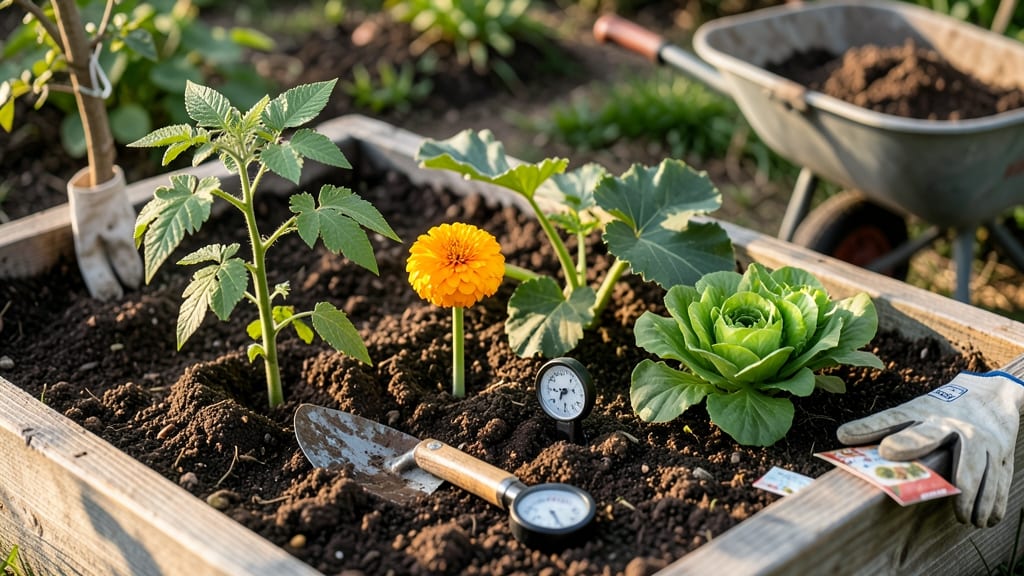
Planting your garden in Indiana after the last frost date is the key to avoiding wasted seeds and stunted growth — and that window opens between mid-April and mid-May, depending on where you live in the state.
Indiana gardeners know timing is everything—plant too early and frost will strike, too late and you’ll miss peak harvests. With USDA Zone 6b’s unpredictable springs, knowing exactly when to plant can mean the difference between a thriving garden 🌱 and wasted seeds.
Whether you’re growing tomatoes that need warm soil or spinach that thrives in cooler temperatures, the right planting schedule ensures your garden gets off to a strong start.
Below, I’ll break down the best times to plant by crop type, how to track local frost dates, and even how to extend your growing season with simple tricks.
By the end, you’ll have a clear timeline for everything from early spring peas to late-summer basil, tailored to Indiana’s climate quirks—so you can finally stop guessing and start growing with confidence.
Indiana’s last frost dates by region: USDA Zone 6b planting windows
Indiana’s USDA Zone 6b climate creates a delicate balance—too early, and frost zaps tender seedlings; too late, and you miss peak harvests. The average last frost date hovers between April 15 and May 15, but regional variations mean your Bloomington garden might be ready weeks before Fort Wayne’s.
Understanding these windows ensures your tomatoes, peppers, and cucumbers thrive without frost risk.
Local weather patterns play a huge role. For example, Indianapolis typically sees its last frost around April 22, while northern Indiana cities like South Bend may wait until May 5.
Southern Indiana, including Evansville, often warms up even earlier—by April 10. These differences can mean the difference between a bountiful harvest and wasted seeds.
To pinpoint your exact planting window, check the National Weather Service’s frost prediction tools or local Cooperative Extension offices. I always cross-reference these with my own garden journal notes from past years.
For instance, if you’ve noticed late May frosts in your area, delay planting heat-loving crops until after May 20.
Here’s a quick guide to Indiana’s last frost dates by region, including key cities and their average timelines:
| Region | Key Cities | Avg. Last Frost | Zero-Frost Risk Window | Notes |
|---|---|---|---|---|
| Northern Indiana | Fort Wayne, South Bend, Gary | May 5–May 15 | After May 15 | Cooler microclimates; use row covers for early starts. |
| Central Indiana | Indianapolis, Lafayette, Muncie | April 22–May 2 | After May 2 | Moderate risk; monitor forecasts closely. |
| Southern Indiana | Bloomington, Evansville, Terre Haute | April 10–April 20 | After April 20 | Warmer microclimates; ideal for early plantings. |
For zero-frost-risk crops like tomatoes and peppers, wait until at least 2 weeks after your region’s average last frost. For example, in Bloomington, that means planting tomato seedlings no earlier than May 1.
In Fort Wayne, hold off until May 25 to avoid late spring frosts.
Soil temperature matters just as much as air temperature. Use a soil thermometer to confirm your garden bed has reached 60°F—the minimum for most warm-season crops. I’ve seen cucumber seeds rot in cold soil even when air temps were perfect.
Pro tip: Black plastic mulch warms soil faster and extends your planting window by 1–2 weeks.
Adjust your schedule based on local microclimates. South-facing slopes warm up earlier, while low-lying areas may stay frost-prone longer. If your yard has frost pockets, consider planting heat-lovers in raised beds or containers, which warm up faster.
For peppers, which need 70°F soil, I often start them in containers and transplant after June 1 in northern Indiana.
Don’t forget about fall planting! Indiana’s first frost typically arrives between October 15 and November 15, depending on the region. This means you can squeeze in cool-season crops like kale and spinach as early as August 15 in southern Indiana or September 1 in the north.
Use row covers to extend harvests into November.
For real-time updates, bookmark the Midwestern Regional Climate Center or sign up for alerts from your local Cooperative Extension. I’ve used these tools to adjust my planting calendar for years, avoiding frost damage and maximizing yields.
With these region-specific timelines, you’ll be ready to plant with confidence—no more guessing games!
Best crops to plant after Indiana’s last frost: heat-loving vs. cool-season vegetables
Once Indiana’s average last frost date (April 15–May 15) has passed, your garden can finally welcome heat-loving crops that thrive in warmer soil and air. These plants—like tomatoes, peppers, and basil—need consistent temperatures above 55°F to germinate and grow.
But don’t overlook cool-season crops like spinach and peas, which can still produce well into summer with proper care.
For zero-frost-risk planting, focus on crops that tolerate Indiana’s hot summers (often 85°F+). These include squash, cucumbers, and okra, which flourish when nights stay warm.
Meanwhile, cool-season vegetables like lettuce and radishes can be planted in shade cloth or during late summer’s cooler stretches to avoid bolting.
Heat-Loving Crops (Plant After Last Frost)
| Crop | Pros | Cons |
|---|---|---|
| Tomatoes | High yield, versatile uses, loves Indiana heat | Needs staking, prone to blight in humidity |
| Peppers | Long harvest season, drought-tolerant once established | Slow to germinate, needs warm soil (70°F+) |
| Squash | Fast-growing, prolific producer, great for storage | Requires space, attracts pests like squash bugs |
Cool-Season Crops (Plant Early or Late)
| Crop | Pros | Cons |
|---|---|---|
| Lettuce | Quick harvest, great for containers, heat-tolerant varieties available | Bolts in summer heat, needs consistent moisture |
| Spinach | Nutrient-dense, cold-hardy, great for succession planting | Bitter in heat, slow to mature in summer |
| Peas | Early harvest, nitrogen-fixing (improves soil) | Needs trellis, struggles in extreme heat |
For heat-loving crops, wait until soil reaches 60°F+—use a soil thermometer to check. In Indiana, this typically aligns with mid-May to early June, depending on your microclimate. Southern Indiana (e.g., Evansville) can plant earlier, while northern areas (e.g., Fort Wayne) may need to wait until late May.
To maximize yields, mulch heavily with straw or black plastic to retain moisture and water deeply at the base of plants in the morning.
For cool-season crops, opt for shade-tolerant varieties like ‘Black Seeded Simpson’ lettuce or ‘Early Perfection’ spinach, and plant in partial shade during peak summer heat (July–August).
Indiana’s humid summers can challenge heat-loving plants, so prune regularly to improve airflow and use row covers at night to protect from sudden temperature drops. For cool-season crops, focus on succession planting every 2 weeks to ensure a continuous harvest before fall frosts arrive in October.
Pro tip: Pair tomatoes with basil to repel pests and enhance flavor, while peppers thrive near marigolds to deter aphids. With the right timing and care, both heat-lovers and cool-season crops can thrive in Indiana’s unpredictable but rewarding growing conditions. 🌱