
Picking
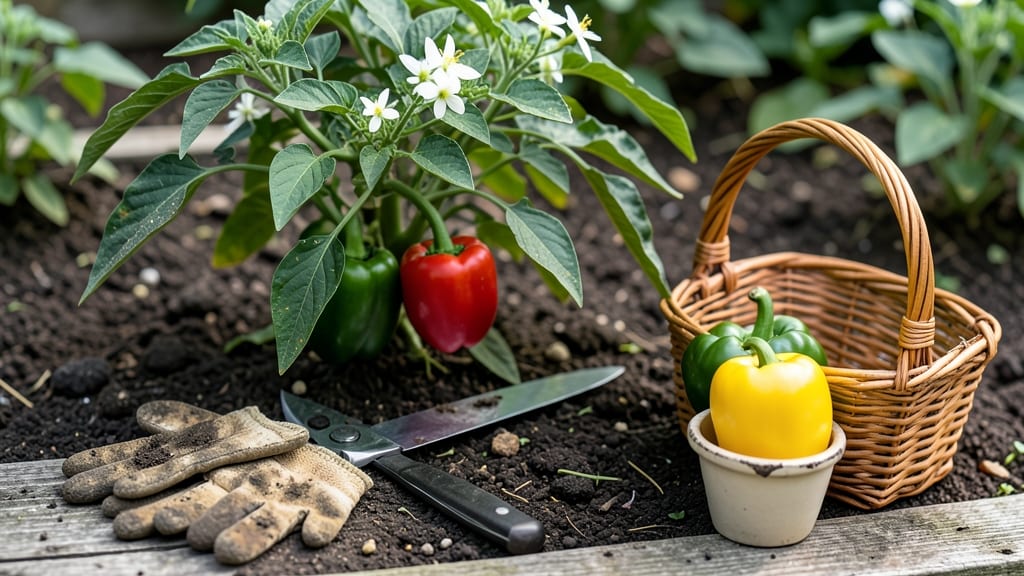
Picking bell peppers from the garden at the right time means the difference between sweet, crisp veggies and tough, bland ones—so timing matters more than you think.
You might assume size is the only clue, but color, firmness, and even the time of year play a bigger role. A pepper that’s green but ripe can taste just as good as a red one, while waiting too long turns them mealy.
And if you’re in a cooler zone like 6a, the window for perfect harvests shrinks fast.
Below, I’ll walk you through the three color-stage tricks that guarantee peak flavor, plus how to adjust for your climate. No more guessing—just crisp, juicy peppers every time.
Ready to harvest like a pro? Let’s break it down by color, texture, and the best time to pull them from the vine.


How to identify the perfect bell pepper color for picking
Bell peppers mature through striking color transformations, each stage offering unique flavor profiles. Understanding these color cues helps you harvest at peak sweetness and texture. Green peppers are the most common but aren't always the ripest option—waiting for yellow, orange, or red can unlock complex flavors.
The key lies in visual maturity signs like glossiness, firmness, and size benchmarks.
For gardeners in USDA Zone 6a, timing matters most between July and October when peppers reach full maturity. Cooler climates may slow color development, while warmer regions accelerate ripening.
Always check for glossy skin and firmness—these are universal indicators of readiness, regardless of color stage. Let's break down what each hue means for your harvest.
| Color Stage | Size Benchmark | Firmness | Sweetness Level | Best For |
|---|---|---|---|---|
| Green | 3-4 inches | Very firm | Mild, slightly tangy | Quick cooking, pickling |
| Yellow | 3.5-4.5 inches | Firm, slightly softer | Sweet, fruity | Salads, raw snacks |
| Orange | 4-5 inches | Firm, slightly waxy | Rich, caramel-like | Roasting, grilling |
| Red | 4-5 inches | Firm, glossy | Sweetest, complex | Fresh eating, sauces |
Green peppers are the fastest to harvest, typically ready in 60-75 days after transplanting. They're perfect for quick-cooking recipes but lack the depth of fully ripened varieties. Look for deep green color with no yellowing or spotting.
The skin should feel thick and taut, and the pepper should snap cleanly when you twist the stem.
Yellow bell peppers signal the first stage of ripeness, usually appearing 75-85 days after planting. Their bright yellow hue indicates increased sweetness and a softer texture compared to green.
These peppers are ideal for raw applications like salads or snacking. Check for a slightly waxy sheen and ensure the color is uniform—no green patches.
Orange peppers bridge the gap between yellow and red, offering a caramel-like sweetness that develops 85-90 days into the growing season. Their deep orange color is a dead giveaway for ripeness. For optimal flavor, wait until the entire pepper is uniformly orange and slightly larger than yellow varieties.
The skin should feel firm but not hard, with a slight give when pressed.
Red bell peppers are the sweetest and most flavorful, typically ready 90 days or more after transplanting. Their vibrant red color is a clear sign of full maturity. These peppers are best for fresh eating or cooking methods that preserve their natural sweetness.
Look for a glossy finish and a size slightly larger than orange peppers. If the pepper feels too soft or the skin wrinkles easily, it's overripe.
Climate plays a crucial role in color development. In cooler regions, peppers may take longer to ripen fully, so monitor color changes closely. If temperatures drop below 55°F (13°C), growth slows dramatically.
In warmer climates, peppers may ripen faster, so check them every 2-3 days once they start changing color. Always harvest in the morning when peppers are cool and crisp.
Don't overlook the stem attachment as a final check. A ripe pepper's stem should twist off cleanly with minimal
3 Color-stage tricks to maximize flavor and yield
Timing your bell pepper harvest by color isn’t just about waiting for red—it’s about unlocking the sweetest flavor and best texture. Green peppers picked early offer a milder taste, while fully ripened varieties pack intense sweetness and richer nutrients.
But knowing exactly when to harvest each stage can be tricky, especially when dealing with climate variations or specific varieties.
For example, green bell peppers are often harvested early for stir-fries or pickling, but leaving them to ripen can transform their flavor profile. Meanwhile, red, yellow, and orange peppers develop deeper sugars and softer skins as they mature.
The key is balancing harvest timing with your intended use and local growing conditions.
- Harvest green peppers at 3-4 inches for early use—this stops further ripening and locks in crisp texture. Ideal for quick cooking or preserving before they turn yellow.
- Wait for full color (red, yellow, or orange) for maximum sweetness. Red peppers have the highest sugar content but take 75-90 days to ripen in warm climates.
- Avoid overripe peppers—they become leathery or wrinkled. If your peppers aren’t changing color, check for adequate sunlight (6+ hours daily) and balanced fertilizer (10-10-10).
One common mistake is assuming all peppers ripen at the same rate. Hotter climates (like USDA Zone 9+) speed up ripening, while cooler areas may need extended growing seasons or row covers to encourage color development.
For instance, in Zone 7, I often use black plastic mulch to warm the soil and push peppers toward ripeness faster.
If you’re growing multiple varieties, like California Wonder (green) and NuMex Heritage (red), prioritize harvesting the slower-ripening ones first. This prevents overcrowding on the plant, which can reduce yield and stunt flavor. Always twist peppers gently at the stem—they should detach cleanly without tearing the plant.
For late-season harvests, focus on peppers that are already partially colored. Even if they don’t fully ripen before frost, they’ll still offer better flavor than fully green ones.
Store them in a cool, dark place (like a paper bag) to slow further ripening and preserve freshness for up to 2 weeks.
Pro tip: Prune lower leaves throughout the season to improve airflow and sunlight exposure. This helps peppers ripen evenly and faster, especially in shady spots or dense foliage. With these tricks, you’ll go from mediocre peppers to garden-fresh perfection every harvest. 🌱