
Planting
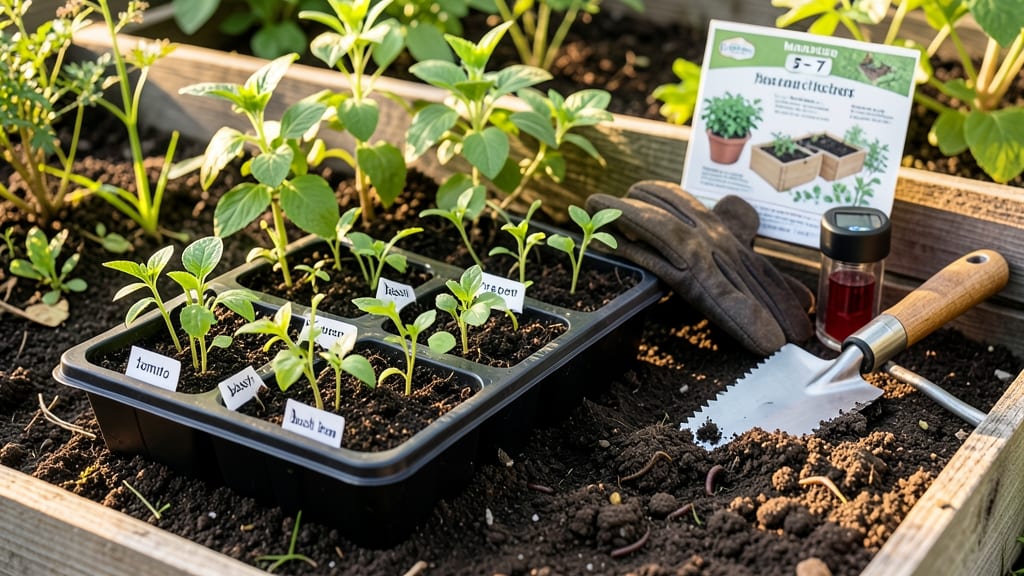
Planting a garden in Missouri after the last frost date — around mid-April for most areas — is your ticket to a bountiful harvest.
Missouri’s unpredictable frost dates can make or break your garden—plant too early, and your tender crops will wither; too late, and you’ll miss the growing season. But with the right timing, you can grow thriving vegetables, herbs, and flowers year after year.
Whether you’re in St. Louis, Kansas City, or rural farmland, knowing your USDA zone (5b-6b) and local frost patterns is the key to success. Spring crops like tomatoes and peppers need warm soil, while cool-season greens can handle a little chill.
Below, I break down the exact planting windows for Missouri’s most popular General Garden Plants 🌱, plus tips to adjust for late frosts, urban heat islands, and other local quirks. No more guessing—just a foolproof schedule for your zone.
Missouri planting zones & last frost dates by region
Missouri spans USDA Hardiness Zones 5b through 7a, meaning frost dates vary dramatically from north to south. In the northern zone 5b areas like St. Joseph, last frosts can linger until mid-April, while southern zone 7a regions like Poplar Bluff may see frost-free conditions by mid-March.
Understanding these variations helps you time cool-season crops like spinach and warm-season plants like tomatoes perfectly.
Your exact microclimate matters more than the general zone—urban areas often warm up faster than rural ones due to heat islands. Check your local weather station for 5-year averages, or use Almanac frost calculators to pinpoint your safe planting window.
Even a 10-day difference can mean the difference between thriving peppers and a failed crop.
Here’s how Missouri’s regions break down for last spring frost and first fall frost, with city-specific deadlines to guide your planting schedule:
| Region & City | USDA Zone | Avg. Last Frost | Avg. First Frost | Cool-Season Deadline | Warm-Season Start |
|---|---|---|---|---|---|
| Northwest (St. Joseph) | Zone 5b | April 15 | October 10 | March 1 (hardy greens) | May 1 (tomatoes/peppers) |
| Central (Columbia) | Zone 6a | April 1 | October 20 | February 28 (spinach) | April 15 (cucumbers) |
| St. Louis Metro | Zone 6b | March 28 | October 25 | February 15 (kale) | April 1 (eggplant) |
| Southeast (Poplar Bluff) | Zone 7a | March 15 | November 5 | January 31 (broccoli) | March 10 (okra) |
| Kansas City Metro | Zone 6a | April 5 | October 15 | March 1 (lettuce) | April 20 (squash) |
For cool-season crops like carrots or onions, plant 4-6 weeks before your last frost—this gives roots time to establish before soil warms. In zone 5b, that means sowing late February for early harvests.
Meanwhile, warm-season plants like peppers need soil temperatures above 60°F, which typically happens 2-4 weeks after your last frost.
Missouri’s fall planting window is just as critical. In zone 7a, you can still sow spinach or radishes until September 15, but by October 1, only hardy greens like kale will survive. Use row covers to extend this window by 2-3 weeks in cooler zones.
Don’t rely solely on average frost dates—check your local microclimate. Hills warm up faster than valleys, and black soil heats up quicker than clay. For urban gardeners, sidewalks and buildings can create heat pockets, allowing you to plant tender crops 7-10 days earlier than rural areas.
Always test soil temperature with a thermometer before planting warm-season seeds.
Pro tip: Use frost-sensitive plants like basil as a frost indicator. If your basil wilts overnight, wait 1-2 weeks before planting tomatoes or peppers. This natural frost warning system beats guesswork every time.
Missouri’s frost-free season spans 160-200 days, giving you plenty of time for two full growing seasons if you plan carefully. Start cool-season crops in late summer for fall harvests, and use cold frames to overwinter garlic or onions for early spring yields.
Remember: Late frosts are Missouri’s specialty—always have row covers or frost cloth on hand until May 15 in northern zones. With these zone-specific deadlines, your garden will thrive year after year.
Best crops to plant by month in Missouri (with zero-frost guarantees)
Timing is everything in Missouri gardening, where last frost dates can swing wildly between April 15 and May 15 depending on your region.
To maximize your harvest, I’ve broken down the best zero-frost-risk crops to plant each month, plus how to stretch seasons with simple tools like row covers and cold frames. These schedules align with Missouri’s USDA zones 5b-7a, ensuring your garden thrives.
Start with cool-season crops in early spring—think spinach, peas, and kale—then transition to warm-season favorites like tomatoes, peppers, and beans once soil warms. For fall, focus on hardy greens and root vegetables that tolerate cooler temps.
The key? Planting at the right time and using protective gear to shield tender plants from late frosts or early chills.
- March: Spinach, lettuce, radishes, peas (use row covers for frost protection). Start tomato and pepper seeds indoors.
- April: Broccoli, cabbage, carrots, onions. Transplant cool-hardy herbs like parsley and cilantro.
- May: Tomatoes, peppers, cucumbers, squash (plant after May 15 for zero-frost risk). Direct-sow beans and corn.
- June: Sweet potatoes, okra, melons. Succession-sow bush beans every 2 weeks for continuous harvests.
- July: Fall lettuce, kale, turnips (plant for September-October harvests). Start garlic for next year.
- August: Radishes, spinach, carrots (use cold frames to extend season). Plant cover crops like clover to protect soil.
- September: Broccoli, cabbage, peas (for late fall harvests). Direct-sow winter rye to prevent erosion.
For warm-season crops like tomatoes and peppers, wait until soil temperatures hit 60°F—usually mid-to-late May in most of Missouri. Use a soil thermometer to check; these plants won’t thrive in cold soil.
If frost threatens in early fall, row covers can add 4-8°F of protection, letting you harvest greens and root veggies well into October.
Missouri’s urban gardens (like St. Louis or Kansas City) often face microclimates with earlier frosts than rural areas. If you’re in a Zone 5b region, err on the side of planting later for warm crops.
For Zone 6b-7a areas, you can push the envelope with black plastic mulch to warm soil faster and drip irrigation to maintain moisture during dry spells.
Don’t overlook herbs like basil and dill, which love Missouri’s heat but bolt quickly in early summer. Sow them in partial shade during peak heat or use shade cloth to keep them productive.
For perennials like asparagus or rhubarb, plant crowns in early spring—they’ll reward you for years with minimal effort.
Pro tip: Keep a gardening journal to track your local frost dates and planting successes. Over time, you’ll spot patterns—like that your backyard frosts a week later than the official USDA average. Adjust your schedule accordingly, and you’ll enjoy a longer harvest season with zero frost surprises. 🌱