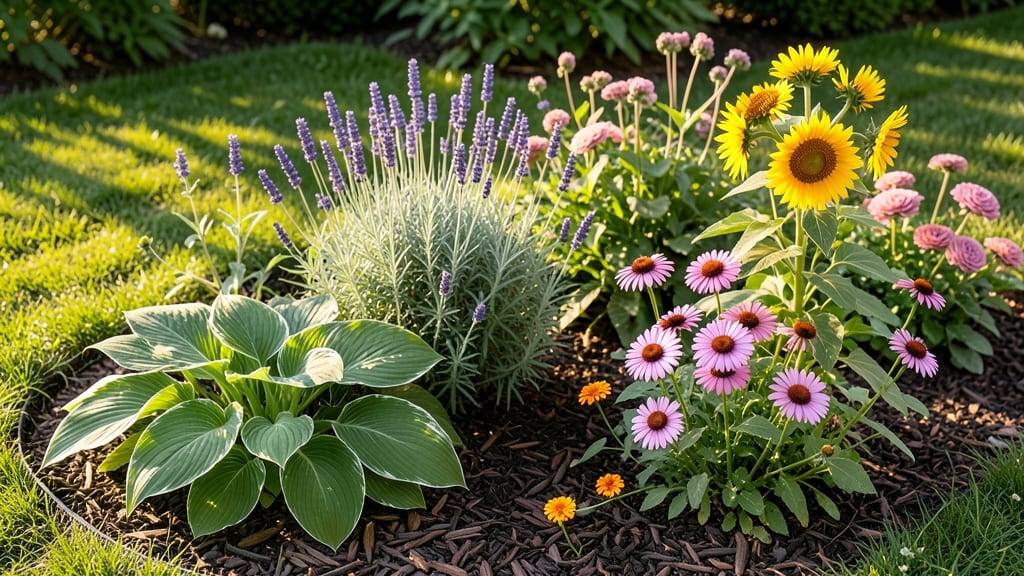
Growing popular garden plants 🌱 is the easiest way to turn your yard into a thriving, low-maintenance haven that hums with life all year.
Picture this: butterflies flitting between blooms, bees buzzing happily, and a garden that stays lush and colorful even when the weather turns chilly. That’s the magic of the right plants—ones that don’t just survive but thrive with minimal effort.
Whether you’re a first-time gardener or a seasoned pro, these hardy, versatile picks fit almost any space, from sunny borders to shady corners. They’ll attract pollinators, repel pests, and give you season-long interest without the fuss.
Below, I’ll share my top 10–15 standout plants—flowers, herbs, shrubs, and veggies—that bring beauty, function, and year-round joy to your garden. Let’s get planting!
Top 10 year-round garden plants for color & pollinator support
Creating a garden that thrives in every season while supporting local pollinators doesn’t have to be complicated. These top 10 popular garden plants deliver continuous color, attract bees, butterflies, and hummingbirds, and require minimal upkeep.
Whether you’re a beginner or a seasoned gardener, these varieties bring beauty and life to your outdoor space with ease.
From hardy perennials that return year after year to annuals that burst with seasonal blooms, this curated list ensures your garden stays vibrant. Each plant was chosen for its adaptability, pollinator appeal, and low-maintenance nature, making them perfect for busy gardeners who still want a stunning landscape.
My top picks include native plants and non-invasive varieties that thrive in various climates. By incorporating these into your garden, you’ll create a thriving ecosystem that supports wildlife while reducing your workload.
🌱
Plant Name
Type
Sun Needs
Bloom Season
Pollinators Attracted
Height
Coneflower (Echinacea)
Perennial
Full Sun
Summer-Fall
Bees, Butterflies
2-5 ft
Black-Eyed Susan (Rudbeckia)
Perennial
Full Sun-Partial Shade
Summer-Fall
Bees, Butterflies
1-3 ft
Butterfly Bush (Buddleia)
Shrub
Full Sun
Summer-Fall
Butterflies, Hummingbirds
6-12 ft
Russian Sage (Perovskia)
Perennial
Full Sun
Summer-Fall
Bees, Butterflies
3-5 ft
Salvia (Salvia nemorosa)
Perennial
Full Sun
Spring-Summer
Bees, Hummingbirds
2-4 ft
Bee Balm (Monarda)
Perennial
Partial Shade-Full Sun
Summer-Fall
Bees, Hummingbirds
2-4 ft
Lavender (Lavandula)
Perennial
Full Sun
Spring-Summer
Bees, Butterflies
1-3 ft
Purple Coneflower (Echinacea purpurea)
Perennial
Full Sun-Partial Shade
Summer-Fall
Bees, Butterflies
2-4 ft
Goldenrod (Solidago)
Perennial
Full Sun-Partial Shade
Summer-Fall
Bees, Butterflies
2-4 ft
Milkweed (Asclepias)
Perennial
Full Sun-Partial Shade
Summer-Fall
Butterflies, Bees
1-4 ft
How to choose pollinator-friendly plants for your climate Zone
Creating a thriving garden ecosystem starts with selecting the right pollinator-friendly plants for your USDA climate zone. Native plants and well-adapted species attract bees, butterflies, and hummingbirds while requiring less water and maintenance.
I’ve planted coneflowers in my Zone 6 garden, and they’ve become a magnet for monarch butterflies—proof that local plants make all the difference!
Your first step is identifying your USDA hardiness zone (find yours with the USDA Zone Map). This determines which plants will survive winter and thrive year-round. For example, black-eyed Susans thrive in Zones 3-9, while California poppies are perfect for Zones 5-10.
Always prioritize native species first—they’ve evolved alongside local pollinators and need fewer resources.
Key Steps to Choose Pollinator Plants
1Check your USDA Zone: Use the USDA Zone Map to find your exact zone (e.g., Zone 5-10).
2Pick native species: Choose plants like milkweed (Zones 3-9) or bee balm (Zones 3-9) for local pollinators.
3Ensure year-round blooms: Mix spring bulbs (e.g., daffodils), summer flowers (e.g., sunflowers), and fall perennials (e.g., asters).
4Provide water sources: Add a shallow birdbath or small pond for pollinators to drink and bathe.
5Avoid pesticides: Use organic pest control to keep your garden safe for bees and butterflies.
Next, focus on bloom times to ensure continuous food for pollinators. Plant early spring bloomers like crocuses (Zones 3-8) alongside summer favorites such as lavender (Zones 5-9). I pair fall asters with winterberry holly (Zones 3-9) to keep my garden active all year.
Layering plants by height also creates a pollinator-friendly landscape that mimics natural ecosystems.
Don’t overlook host plants for caterpillars, like milkweed for monarchs or passionflower for Gulf Fritillary butterflies. These plants support the entire lifecycle of pollinators. For example, swamp milkweed (Zones 3-9) thrives in wetter areas, while butterfly weed (Zones 3-9) prefers drier soil.
Test your soil’s moisture level before choosing varieties to avoid overwatering or drought stress.
Finally, group plants by their water needs and sunlight requirements. Place drought-tolerant plants like yarrow (Zones 3-9) in sunny spots and shade-loving plants such as foxglove (Zones 3-8) under trees.
This reduces maintenance and ensures every plant thrives. My pollinator garden now buzzes with activity from dawn till dusk—all thanks to smart plant selection!
With these steps, you’ll create a garden that’s not just beautiful but also a functional ecosystem supporting local wildlife. Start small, observe what thrives, and expand over time. Happy gardening! 🌿🐝