
Planting
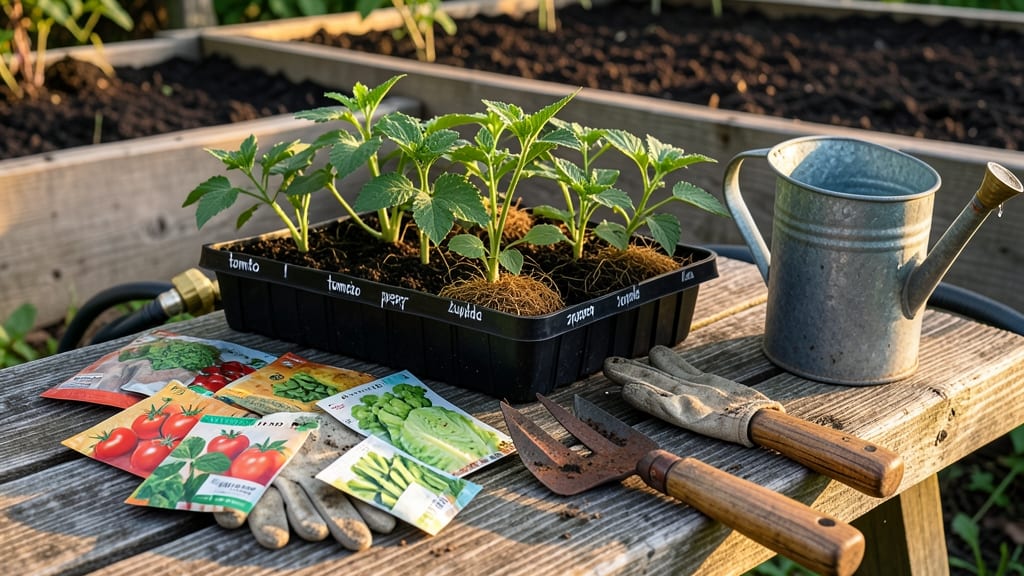
To plant a vegetable garden in Missouri, time your cool-season crops 4-6 weeks before your last frost—typically by mid-March—and warm-season crops after soil warms to 60°F, usually mid-May.
Missouri’s unpredictable spring weather can make or break your vegetable garden—planting at the wrong time means stunted growth or wasted seeds. But with the right timing for Zones 5 and 6, you can maximize yields and enjoy a bountiful harvest all season long.
Cool-season veggies like lettuce and peas thrive in Missouri’s spring, while tomatoes and peppers need the warmth of summer. Missing the window? No problem—fall planting runs from mid-July to early September, giving you a second chance for a late harvest.
Below, I’ll break down the exact dates for your region, plus pro tips to adjust for frost, heatwaves, and drought. Ready to grow?
Missouri planting calendar: exact dates for cool-season vs. warm-season vegetables
Missouri’s frost dates and microclimates make timing everything for a successful vegetable garden. Whether you're in St. Louis, Kansas City, or Columbia, knowing the right planting windows ensures your lettuce, tomatoes, and other crops thrive.
The average last frost date in Missouri ranges from mid-March to mid-April, while the first frost typically arrives between late October and early November.
For cool-season vegetables like spinach and kale, start planting 4-6 weeks before your area’s last frost. Meanwhile, warm-season crops such as peppers and eggplants need to wait until soil temperatures reach 60°F, usually after mid-May.
Let’s break down the exact planting schedule for Missouri’s most popular vegetables, tailored to your region.
| Vegetable | Planting Window | Notes | St. Louis | Kansas City | Columbia |
|---|---|---|---|---|---|
| Lettuce | Mid-March to April (spring) / August to September (fall) | Direct sow; avoid bolting in heat | March 15 - April 15 | March 20 - April 10 | March 10 - April 5 |
| Spinach | Early March to April (spring) / August to September (fall) | Tolerates light frost; harvest young | March 1 - April 10 | March 5 - April 5 | February 28 - April 1 |
| Tomatoes | After last frost (May 15 - June 1) | Start indoors 6-8 weeks before transplanting | May 15 - June 1 | May 10 - May 25 | May 5 - May 20 |
| Peppers | After last frost (May 20 - June 10) | Needs warm soil; use black plastic mulch | May 20 - June 5 | May 15 - June 1 | May 10 - May 25 |
| Green Beans | After last frost (May 1 - June 1) | Direct sow; succession plant every 2 weeks | May 1 - May 30 | April 25 - May 20 | April 15 - May 10 |
| Carrots | Early March to April (spring) / August (fall) | Loose soil; thin seedlings | March 10 - April 15 | March 5 - April 10 | March 1 - April 5 |
| Cucumbers | After last frost (May 15 - June 1) | Trellis for support; harvest young | May 15 - June 1 | May 10 - May 25 | May 5 - May 20 |
If you’re growing cool-season crops like lettuce or spinach, start seeds indoors in late February to get a jump on the season.
For St. Louis, aim to transplant seedlings outdoors by mid-March, while Columbia gardeners can begin slightly earlier due to its slightly warmer microclimate. Spinach and kale are particularly forgiving and can handle light frosts, making them great choices for early planting.
For warm-season vegetables, patience is key. Tomatoes and peppers are sensitive to cold soil, so wait until after the last frost date—typically mid-May in most of Missouri. To speed up soil warming, use black plastic mulch or plant
How to adjust planting times for Missouri’s unpredictable weather patterns
Missouri’s weather can shift from freezing nights to 90°F heatwaves in a single week, making planting timing a moving target. The key to success? Flexibility. By using season-extending tools and succession planting, you can protect your crops and enjoy harvests even when Mother Nature throws curveballs.
I’ve learned that row covers and cold frames are my secret weapons for beating Missouri’s whims.
Start by monitoring your local frost dates—St. Louis and Kansas City often see their last frost around April 15, but rural areas can vary by 1-2 weeks. For warm-season crops like tomatoes and peppers, wait until soil temps hit 60°F consistently.
If you’re eager to plant early, use black plastic mulch to warm the soil faster and give yourself a head start.
- Use row covers to extend spring planting by 3-4 weeks—perfect for lettuce and spinach.
- Plant cold-hardy crops like kale and Swiss chard in early spring or fall for double harvests.
- For late frosts, opt for succession planting—sow beans and radishes every 2 weeks from May to July.
- Set up cold frames to grow greens and herbs through winter—even in Zone 5!
- Water deeply in heatwaves—aim for 1-2 inches per week to prevent bolting in lettuce.
If a late frost threatens, don’t panic. I’ve saved entire plantings by covering seedlings with floating row covers or even old bedsheets. For heatwaves, focus on shade cloth and mulch to keep roots cool.
Missouri’s summers can be brutal, so prioritize drought-tolerant varieties like zucchini and okra if you’re planting in July.
Succession planting is another game-changer. Instead of planting all your beans at once, stagger them every 2 weeks from May through July. This ensures a steady harvest and reduces the risk of losing everything to a single heatwave or pest outbreak.
I’ve found that bush beans and radishes are the easiest to succession-plant in Missouri’s climate.
For fall planting, start seeds indoors in July for broccoli and cabbage, then transplant them in August when temps dip below 85°F. Use row covers again to protect young plants from early fall frosts, which can sneak in as early as October in northern Missouri.
Remember, Missouri’s weather is unpredictable, but with these adjustments, you can turn challenges into opportunities. Whether you’re battling late frosts, drought, or unseasonable heat, the right tools and timing will help you grow a thriving garden all season long. Happy planting! 🌱