
Picking
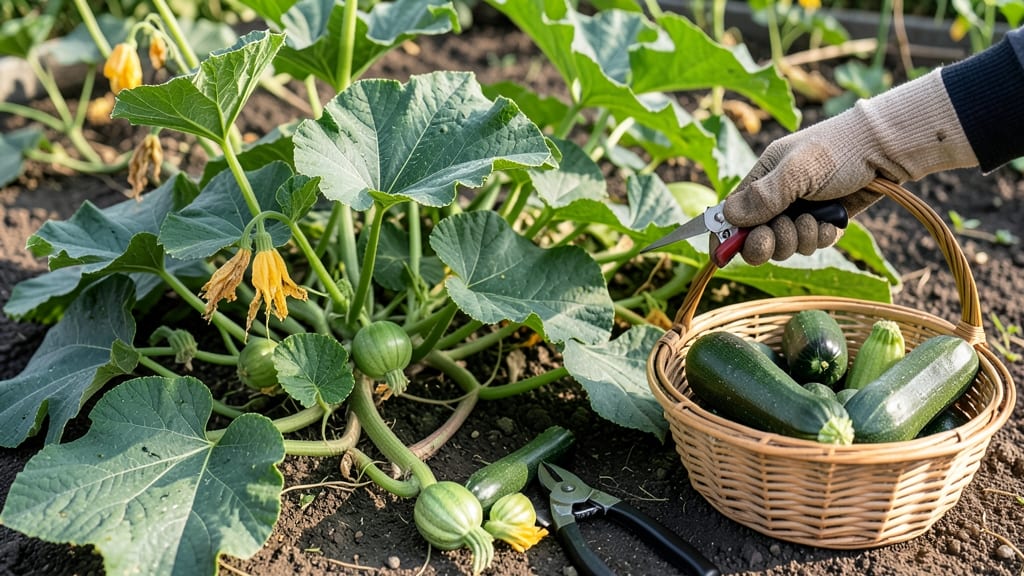
To pick squash from your garden at the perfect moment, watch for a hard skin and deep color—these are the two biggest clues that your 🎃 is ready to harvest.
Picking too early means tough, seedy, or bitter fruit—so knowing exactly when to harvest can make the difference between a delicious meal and wasted effort. Here’s how to spot the perfect moment using simple visual cues.
Most varieties reach peak ripeness in 50 to 70 days, but some, like zucchini, need harvesting every 3 to 5 days or they’ll turn into oversized monsters. The key is checking the skin’s texture and the stem’s dryness—both tell you whether it’s time to grab your shears.
Below, I’ll walk you through three foolproof ways to tell when your squash is ready, plus what happens if you wait too long (and how to fix it). No more guessing!
3 Key visual cues to harvest squash at peak ripeness
Harvesting squash at the right moment transforms your garden bounty into tender, flavorful produce. The difference between perfectly ripe and overripe squash often comes down to three simple visual checks: color, texture, and stem condition.
Ignore these cues, and you risk tough, seedy, or stringy fruit that’s far from ideal for roasting, baking, or sautéing.
Every squash variety has its own maturity timeline, but the visual signals remain consistent. For example, zucchini and yellow squash mature faster (typically 50-55 days) than butternut or acorn squash (often 80-100 days).
However, the key is to focus on what’s happening right now in your garden rather than guessing by days since planting.
- 1 Color Shift: Look for a deep, consistent hue—no pale patches. Zucchini turns from bright green to dull, matte green; butternut squash deepens to creamy gold. Uneven color means it’s not ready.
- 2 Skin Hardness: Press your fingernail into the skin. If it doesn’t puncture easily, it’s ripe. Soft skin means underripe fruit, while skin that’s too tough (like wood) signals overripe squash. Aim for a firm yet yielding feel.
- 3 Stem Drying: Check the stem attachment. A ripe squash will have a dry, papery stem near the fruit. If the stem is still green and flexible, wait a few days. Once the stem browns and shrinks, the squash is at peak ripeness—harvest within 1-2 days to avoid overripeness.
Pro tip: Variety matters. Summer squash (like zucchini) should be harvested frequently—every 3-5 days—to encourage more production. Winter squash (like butternut or acorn) can wait longer, but don’t delay past the stem drying stage or the fruit will become woody and seedy.
One common mistake is waiting for squash to reach maximum size before harvesting. While larger squash might look impressive, they often lose flavor and texture.
For example, a 6-inch zucchini is ideal, but an 8-inch one will be tougher and seedy. Trust the visual cues, not the scale.
Morning is the best time to harvest because the skin is firmer and cooler temperatures reduce stress on the plant. Use a sharp knife or pruners to cut the squash, leaving a 1-inch stem attached. This prevents rot and makes storage easier.
If you miss the perfect harvest window, don’t panic. Overripe squash can still be used for baking or roasting, but the texture will be softer and mealier.
Store squash in a cool, dry place (like a garage or pantry) where temperatures stay between 50-55°F to extend shelf life.
For longer storage, cure winter squash (like butternut) by placing it in a warm, sunny spot for 7-10 days to harden the skin. This process locks in flavor and prevents spoilage. Once cured, store in a dark, well-ventilated area for up to 2-3 months.
Paying attention to these three visual cues ensures you’ll always harvest squash at its peak flavor and quality. Next time you’re in the garden, take a closer look—your taste buds will thank you!
How long squash takes to mature (by variety) and what happens if you wait too long
Understanding the maturity timeline of squash is key to harvesting at peak flavor. Most varieties take 45-70 days from transplanting to harvest, but timing varies dramatically between types.
For example, zucchini and yellow squash mature in just 45-55 days, while acorn squash and pumpkins need 80-100 days—meaning you’ll miss the window if you’re not paying attention.
If you wait too long, squash undergoes irreversible changes: the skin toughens beyond edibility, seeds swell into inedible giants, and the flesh turns woody or bitter. Even worse, overripe squash attracts pests like squash vine borers and squash bugs, which can devastate your entire crop.
The good news? With the right timing, you can avoid these pitfalls entirely.
Here’s the critical timeline for common varieties, including the exact moment to harvest before quality declines:
| Variety | Days to Maturity | Harvest Window | Overripe Signs |
|---|---|---|---|
| Zucchini | 45-55 days | 6-12 inches long, skin hard to puncture | Skin turns leathery, seeds enlarge |
| Yellow Squash | 45-55 days | 6-10 inches long, dull yellow color | Flesh becomes fibrous, color fades |
| Acorn Squash | 80-100 days | 4-6 inches wide, stem dries slightly | Rind hardens like wood, flavor dulls |
| Pumpkin | 75-100+ days | Vine stops growing, rind hardens | Stem rots, flesh turns stringy |
For zucchini and yellow squash, I recommend harvesting every 2-3 days once they start producing. These varieties grow so quickly that waiting even a day can turn a tender, seedless squash into a tough, seedy mess.
Use a sharp knife or pruners to cut the squash from the vine, leaving a small stem attached to prevent rot.
With acorn squash and pumpkins, patience is key. These varieties need time to develop their signature flavors and textures. Wait until the vine stops growing and the rind is too hard to puncture with your fingernail.
At this stage, the squash will have a dull, mature color—no longer shiny—and the stem will begin to wither. If you harvest too early, the flesh will be watery and bland.
One mistake I see often is assuming all squash should be harvested at the same size. Don’t compare varieties! A 6-inch zucchini is perfect to pick, but a 6-inch acorn squash is still immature.
Always check the seed packet or plant tag for variety-specific guidelines. And remember: once squash is overripe, it won’t improve—it’ll only get worse.
Pro tip: Mark your calendar when you transplant squash seedlings. Most varieties follow a predictable timeline, so setting reminders ensures you never miss the harvest window. And if you’re growing multiple types, prioritize the fastest-maturing varieties first to avoid a glut of overripe squash.