
Planting
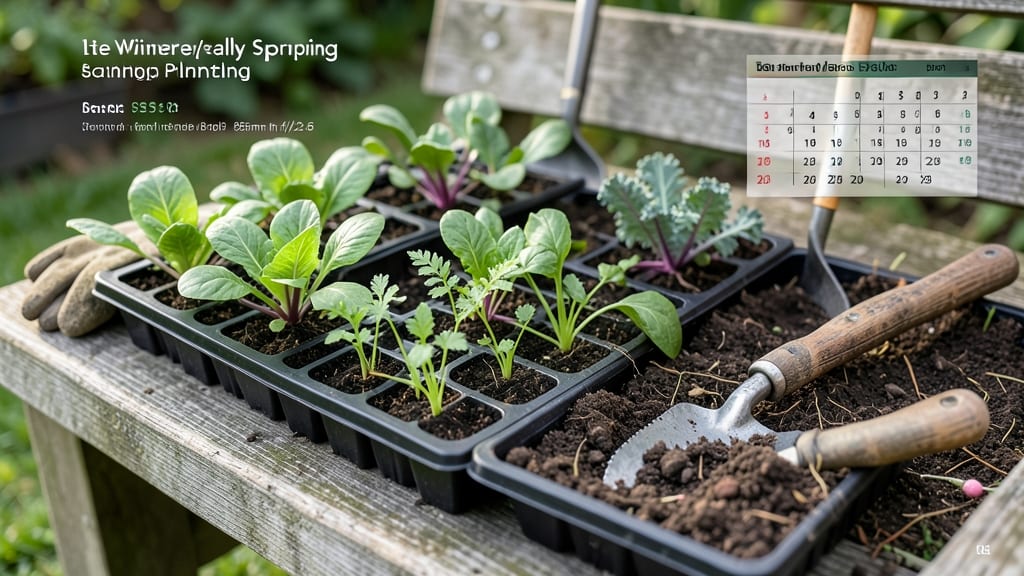
Planting a garden in Ohio starts right after your last frost date — typically mid-April — when soil warms to 60°F and the risk of surprise freezes fades.
Ohio’s unpredictable spring weather can turn a gardener’s excitement into frustration—planting too early risks frost damage, while waiting too long shortens the growing season. But with the right timing, you can maximize your garden’s potential and enjoy a bountiful harvest.
In this guide, I’ll break down the fastest growth windows for your favorite vegetables, from heat-tolerant tomatoes to cool-loving lettuce, so you can plan for a productive season without guesswork.
Whether you’re in Zone 6a or a warmer microclimate, you’ll learn exactly when to plant for optimal yields—and how to adjust if Mother Nature throws a curveball.
Ohio’s planting zones and heat tolerance chart for spring vegetables
Ohio spans USDA Plant Hardiness Zones 5 through 7, meaning gardeners must account for cold snaps in spring and summer heat waves.
The last frost date varies by region—March 20 in Southern Ohio (Cincinnati) to May 10 in Northern Ohio (Toledo)—making timing critical for fastest growth and yield. Heat-sensitive crops like lettuce and spinach bolt quickly, while tomatoes and peppers thrive in warmer conditions but need protection from early frosts.
To succeed, focus on three key factors: your USDA zone, local frost dates, and each plant’s heat tolerance range. For example, cool-season crops (like kale) can handle 30°F temperatures, while warm-season crops (like basil) wilt below 50°F.
Below is a heat-tolerance chart to help you align planting with Ohio’s spring temperature swings and maximize your harvest.
🌱
| Crop | Heat Tolerance (°F) | Ideal Planting Window | Cold Hardiness (°F) | Ohio Region |
|---|---|---|---|---|
| Lettuce | 50-75°F | March-April (cool season) | 25-30°F | All zones (early) |
| Tomatoes | 70-90°F | May-June (after frost) | 45°F (tender) | Zones 6-7 (May) |
| Peppers | 75-95°F | May-June (soil 60°F+) | 50°F (transplants) | Zones 6-7 (late May) |
| Spinach | 50-70°F | March-April (spring) | 15-20°F | All zones (early) |
| Green Beans | 60-85°F | May-June (soil 55°F+) | 30°F (tender) | Zones 5-7 (May) |
| Cucumbers | 70-90°F | May-June (after frost) | 50°F (transplants) | Zones 6-7 (late May) |
| Carrots | 60-75°F | March-April (spring) | 20-25°F | All zones (early) |
| Basil | 75-95°F | June (soil 65°F+) | 45°F (tender) | Zones 6-7 (June) |
Use this chart to match crops with Ohio’s microclimates. For instance, Southern Ohio’s warmer springs (Zone 6-7) allow tomatoes and peppers to start 2-3 weeks earlier than Northern Ohio’s Zone 5.
Always check your local last frost date—the Ohio State University Extension provides county-specific forecasts—and wait until soil temperatures reach 60°F for warm-season crops.
For cold-hardy crops like kale and peas, start seeds 4-6 weeks before your last frost indoors or under row covers.
For heat-loving crops like eggplants and okra, wait until after Memorial Day to avoid stunted growth from cool nights. Succession planting every 2 weeks ensures a steady harvest for fast-maturing crops like radishes and lettuce.
🌡️
Pro tip: Monitor soil temperature with a soil thermometer—warm-season crops need consistent warmth, while cool-season crops thrive in cooler soils. If your spring is unusually cold, use black plastic mulch or cold frames
Step-by-step guide to planting by Ohio’s microclimates
Ohio’s diverse geography means planting times vary dramatically from Northern Ohio (like Cleveland) to Southern Ohio (like Cincinnati). Urban gardens in Columbus face different challenges than rural farms near Toledo. To succeed, you’ll need to adjust your schedule based on last frost dates, soil temperature, and local microclimates.
Let’s break it down by region so you can plant with confidence.
Start by testing your soil’s temperature—it should reach at least 50°F for cool-season crops and 60°F+ for warm-season plants. In Northern Ohio, wait until mid-May for tomatoes and peppers, while Southern Ohio can plant those same crops by late April.
Urban gardens often warm up faster than rural areas, so monitor your specific spot closely.
- 1 Prep Soil in Early Spring: Till or loosen soil in March (Northern Ohio) or February (Southern Ohio). Add compost to improve drainage and fertility. Urban gardeners may need to amend heavy clay soils with sand or peat moss.
- 2 Plant Cool-Season Crops: Sow spinach, peas, and lettuce in early April (Northern Ohio) or late March (Southern Ohio). Use row covers to protect from late frosts. Urban gardens benefit from raised beds, which warm up faster.
- 3 Transplant Warm-Season Starts: Move tomato, pepper, and eggplant seedlings outdoors after last frost (mid-May in North, late April in South). Harden off seedlings for 7-10 days before transplanting. Rural gardens may need to wait longer for soil to warm.
- 4 Direct-Sow Heat-Lovers: Plant beans, cucumbers, and squash after soil reaches 60°F (late May in Northern Ohio, early May in Southern Ohio). These crops thrive in warm soil and can tolerate urban heat islands better than delicate transplants.
- 5 Extend the Season: Use row covers or cold frames to plant spinach and kale in late summer for fall harvests. Southern Ohio gardens can push this until early October, while Northern Ohio should aim for mid-September plantings.
- 6 Adjust for Urban Heat: City gardens (like Columbus) can be 5-10°F warmer than rural areas. Plant heat-tolerant varieties (e.g., 'Heatmaster' tomatoes) and mulch heavily to retain moisture. Water deeply in the early morning to avoid evaporation.
For perennials and flowers, timing shifts slightly. Plant daylilies and coneflowers in spring or fall—both work well in Ohio’s climate. In Southern Ohio, fall planting gives roots time to establish before winter, while Northern Ohio gardeners may prefer spring planting to avoid early frosts.
Always check the USDA zone for your specific location (most of Ohio falls in 5b-6a).
Pro tip: Keep a gardening journal to track your local frost dates and planting successes. Over time, you’ll refine your schedule to match your unique microclimate—whether you’re in a Cleveland backyard or a Lexington community garden.
The key is flexibility: Ohio’s weather can shift overnight, so stay ready to protect tender plants with frost cloths or move containers indoors if needed.
With these region-specific steps, you’ll avoid the common pitfalls of planting too early or too late. Start small, experiment with succession planting, and soon you’ll have a garden that thrives year after year—no matter where in Ohio you call home. 🌱