
Companion Plants
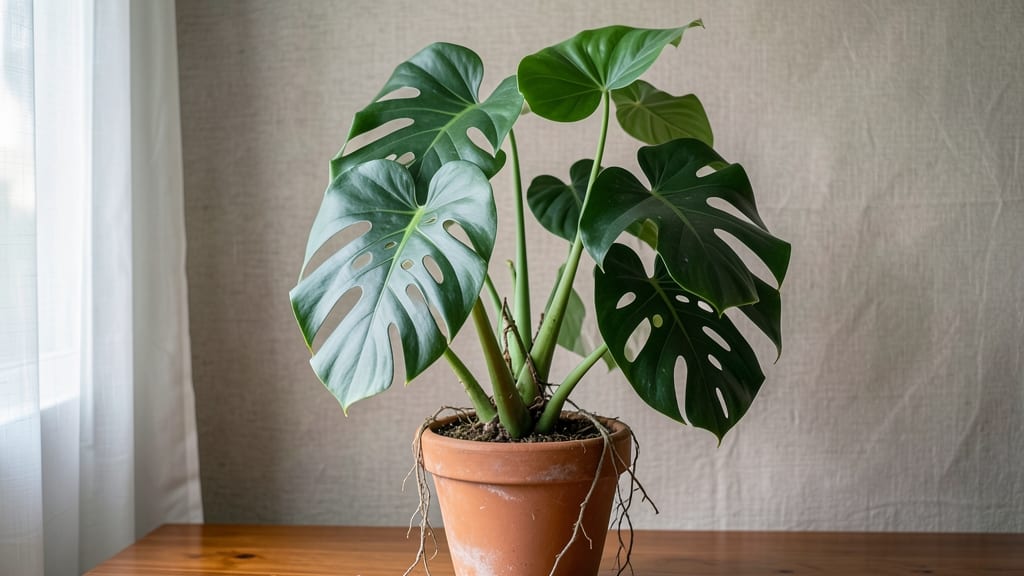
Gardening tropical plants 🌺 can turn your backyard or patio into a vibrant escape—even if you’re not in a traditional tropical zone.
Picture this: lush bird-of-paradise blooms swaying in your garden, hibiscus bushes bursting with color, and ferns thriving in the shade. The key is understanding their needs—humidity, soil, and protection from cold snaps—so they flourish year-round.
Whether you’re a beginner or a seasoned gardener, this guide covers everything: from selecting the right plants for your climate to mastering soil, watering, and frost protection. You’ll learn how to mimic tropical conditions, no matter where you live.
By the end, you’ll have the confidence to create a thriving tropical oasis—without the guesswork. Let’s get started!
How to choose the best tropical plants for your climate zone
Creating a tropical oasis in your garden starts with selecting the right tropical plants for your USDA hardiness zone. Most tropical varieties thrive in zones 10-12, but some can adapt to cooler climates with proper care.
My first step? Researching your local zone and matching plants to your sunlight exposure and humidity levels.
For example, if you live in zone 9, you can grow cold-hardy tropicals like hibiscus or bird-of-paradise with winter protection. In zones 8 or below, focus on frost-sensitive varieties like orchids or calatheas and plan to overwinter them indoors.
The key is balancing your climate with the plant's native conditions.
Here’s a quick guide to help you match tropical plants to your zone and growing conditions:
| Plant Type | USDA Zones | Sunlight Needs | Humidity Needs | Cold Tolerance |
|---|---|---|---|---|
| Hibiscus | 9-12 | Full sun (6+ hrs) | High (60%+) | Moderate (needs winter protection) |
| Bird-of-Paradise | 9-11 | Full sun to partial shade | Moderate (40-60%) | Low (frost-sensitive) |
| Orchids | 10-12 (indoor for cooler zones) | Bright indirect light | High (70%+) | None (indoor only) |
| Calatheas | 10-12 (indoor for cooler zones) | Partial shade (low light) | Very high (80%+) | None (indoor only) |
| Ferns | 5-11 (shade-tolerant) | Partial to full shade | High (60%+) | Moderate (mulch helps) |
When selecting tropical plants, prioritize those that match your local humidity levels. For instance, orchids and calatheas need 70-80% humidity, while hibiscus and bird-of-paradise thrive in 40-60% humidity. If your climate is dry, consider using a humidifier or creating a microclimate with a shaded, mulched bed.
Sunlight is another critical factor. Most tropical plants love bright, indirect light, but some, like hibiscus, require full sun (6+ hours daily). If you’re growing tropicals indoors, place them near a south-facing window or use grow lights to mimic natural sunlight.
For outdoor gardens, avoid harsh afternoon sun, which can scorch delicate leaves.
For gardeners in cooler climates (zones 7-8), focus on cold-hardy tropicals like elephant ears or canna lilies, which can tolerate brief light frosts if mulched heavily.
Dig up frost-sensitive plants like orchids and store them indoors during winter. Use container gardening to move plants between indoor and outdoor spaces as temperatures shift.
Extending the growing season is all about seasonal adjustments. In spring and fall, gradually acclimate tropical plants to outdoor conditions by placing them in partial shade for a few hours daily.
During summer, increase watering and fertilizing to support rapid growth. In winter, reduce watering and move sensitive plants indoors to a bright, humid spot.
Don’t forget to consider mature plant size when choosing varieties. A bird-of-paradise can grow 6-10 feet tall, while calatheas stay compact at 2
Essential soil, watering, and fertilizing tips for tropical plant success
Creating the perfect environment for your tropical plants starts with understanding their natural habitat. These lush varieties thrive in rich, well-draining soil that mimics the nutrient-dense rainforest floor. Unlike desert plants, tropical species demand consistent moisture and organic matter to replicate their humid origins.
The key lies in balancing aeration with water retention—too much of either can spell disaster for your leafy friends.
Most tropical plants prefer a sandy-loam soil mix with 30-40% organic content, like compost or aged manure. I recommend blending 2 parts garden soil with 1 part perlite and 1 part coconut coir to improve drainage while holding moisture.
This combination prevents root rot while keeping roots hydrated—critical for plants like monstera and bird-of-paradise that love to drink but hate soggy feet.
⚠️ WARNING: Overwatering Kills More Tropical Plants Than Drought
Tropical plants need moisture, but their roots cannot tolerate waterlogged soil. A common mistake is watering on a strict schedule instead of checking soil moisture. Stick your finger 2 inches deep—if it's dry, water deeply. If it's still damp, wait. Yellowing leaves often signal overwatering, while crispy edges mean underwatering. Adjust your routine based on your plant's needs, not a calendar.
When it comes to watering tropical plants, think deep soaking over frequent light sprinkles. I water my hibiscus bushes until water drains out the bottom of their pots, ensuring roots get the hydration they crave.
For outdoor tropical gardens, early morning watering (before 10 AM) minimizes evaporation and fungal risks. In hotter months, you may need to water daily, while cooler seasons might only require weekly deep watering.
Fertilizing tropical plants should mirror the nutrient-rich rainforest soil they evolved in. I use a balanced organic fertilizer like fish emulsion or worm castings every 4-6 weeks during growing seasons (spring and summer).
For a slow-release boost, top-dress with compost in early spring. Avoid synthetic fertilizers—they can burn delicate tropical roots and disrupt the microbiome these plants rely on.
Don't forget about mulching! A 2-3 inch layer of mulch (like shredded bark or leaves) helps retain moisture, regulate soil temperature, and slowly release nutrients. I use pine bark mulch for its acidity, which benefits azaleas and gardenias.
Just keep mulch 2 inches away from plant stems to prevent rot. This simple step can reduce watering needs by 30% while keeping your tropical oasis thriving.
For container-grown tropical plants, drainage is non-negotiable. Ensure pots have drainage holes and use terracotta or coconut fiber pots that breathe. I repot my tropical ferns every 2 years to refresh the soil mix.
If you notice white crusty deposits on soil surfaces, flush the pot with water to remove mineral buildup that can block drainage. With these soil, watering, and fertilizing basics, your tropical plants will flourish like they're basking in a rainforest canopy. 🌿