
Blooming
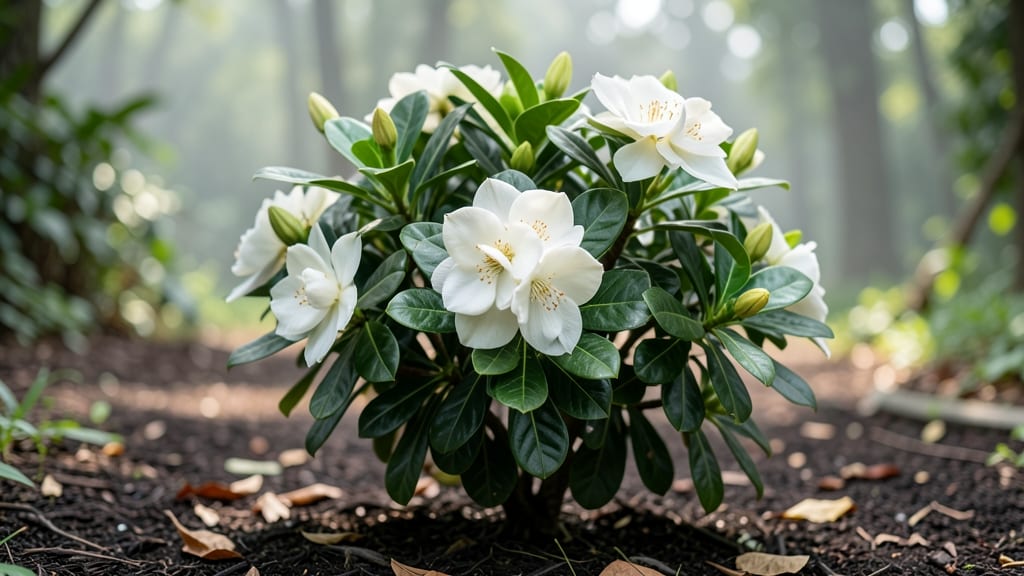
Gardenia blooms in Florida typically start around March and peak through June, though exact timing depends on your climate zone and variety.
If you’ve ever wondered why your gardenia bushes seem to bloom at different times—or why some neighbors’ plants flower months before yours—Florida’s climate zones hold the key.
In the warmer southern regions (Zones 10-11), gardenias often begin blooming as early as February, while those in cooler northern areas (Zones 9a-9b) may not see flowers until late April or May.
Below, I’ll break down the exact blooming windows by variety, how to adjust care for your zone, and five common mistakes that can delay—or even ruin—your gardenia’s show.
Gardenia blooming seasons in Florida by variety: month-by-month guide
Florida’s gardenias are legendary for their creamy-white blooms and intoxicating fragrance, but their blooming windows vary dramatically by variety and climate zone. In Zone 8A (northern Florida), gardenias often bloom later, while Zone 10A (south Florida) can enjoy near-year-round flowering.
The key? Understanding how temperature, humidity, and sunlight trigger blooms in each variety.
Most gardenias in Florida follow a spring-to-summer bloom cycle, but some varieties—like G. radicans—produce secondary flushes in fall. For example, G. jasminoides, the most popular type, typically peaks in April-May in central Florida but may start as early as March in Zone 10A.
Meanwhile, G. augusta (the largest variety) often blooms 2-3 weeks later due to its slower growth rate.
Here’s a month-by-month breakdown of when to expect blooms, tailored to Florida’s five USDA zones and the most common gardenia varieties:
Notice how Zone 10A gardenias bloom earlier and later than those in Zone 8A? That’s because warmer temperatures in southern Florida trigger blooms sooner. In northern Florida, gardenias often wait until spring warmth fully settles in April-May to burst into bloom.
This delay also means secondary flushes (fall blooms) happen 2-3 months later in cooler zones.
Humidity plays a critical role too. Florida’s 90%+ humidity in summer can stress gardenias, causing bud drop if they don’t get enough afternoon shade.
In Zone 9B and 10A, where humidity is highest, I recommend morning sun only (3–4 hours) to prevent bud blast—a common issue where buds form but never open.
Sunlight is another game-changer. Gardenias need bright, indirect light to flower well. In Zone 8A, where winters are cooler, gardenias often bloom later in the season because they need consistent warmth (above 65°F) to set buds. If your gardenia in northern Florida
How Florida’s climate zones delay or advance gardenia blooms
Florida’s climate zones—ranging from USDA Zone 8A in the north to Zone 10A in the Keys—create dramatic differences in gardenia blooming schedules.
In cooler Zone 8B, gardenias often wait until late April or May to burst into flower, while Zone 10A plants may bloom as early as February or March.
These variations aren’t random; they’re tied to temperature triggers and seasonal shifts that gardeners can work with to adjust bloom timing.
The key to manipulating bloom schedules lies in understanding how winter chilling hours and spring warmth interact with your gardenia’s natural rhythm. In warmer zones, plants experience fewer cold snaps, so they “wake up” earlier.
Meanwhile, gardeners in Zone 9A might need to prune strategically in winter to encourage earlier blooms, while Zone 8B gardeners should delay pruning until late spring to protect delicate buds from late frosts.
🌱 Zone-Specific Bloom Timing & Care Tips
- 🌡️ Zone 8A/B (North FL): Blooms May–July. Prune after blooming (June–July) to avoid frost damage. Apply acid fertilizer in early March to kickstart growth.
- 🌿 Zone 9A (Central FL): Blooms April–June. Light winter pruning (Jan–Feb) removes old wood, encouraging earlier buds. Mulch heavily to retain warmth.
- 🌴 Zone 9B/10A (South FL): Blooms February–May. Minimal pruning needed; focus on spring feeding (Feb–March) for continuous blooms. Protect from summer heat stress with afternoon shade.
- ✂️ Pro Tip: In Zone 8A, cover plants with frost cloth in December–January to preserve buds. In Zone 10A, reduce watering in summer to prevent bud drop.
To encourage earlier blooms in cooler zones, I recommend a two-step approach: Start with a light winter pruning (Jan–Feb) to remove dead wood, then apply a high-phosphorus fertilizer in early March.
Phosphorus is the secret weapon for blooming—it fuels flower production, while nitrogen (common in lawn fertilizers) promotes leafy growth at the expense of blooms. For Zone 8B gardeners, this timing shift can push blooms forward by 2–3 weeks.
For gardeners in warmer zones (9B–10A), the goal is often to extend the bloom season rather than rush it. Here, I focus on consistent moisture and partial shade during peak summer heat (June–August).
Overwatering or soggy soil can trigger bud drop, so I always check soil moisture by sticking my finger 2 inches deep—if it’s dry, it’s time to water. In Zone 10A, gardenias may even produce a second flush of blooms in September if given proper care.
One common mistake I see is pruning at the wrong time. In Zone 9A, pruning in late winter can stimulate early growth, but doing the same in Zone 8B risks exposing tender buds to frost.
Always prune after the main bloom cycle in cooler zones, while light shaping cuts in Zone 10A can be done year-round. Pair pruning with a layer of mulch (3–4 inches of pine bark) to regulate soil temperature and retain moisture.
By aligning your care routine with your USDA zone, you can turn your gardenia’s blooming schedule into a predictable, fragrant highlight of your landscape. Whether you’re chasing February blooms in Miami or June flowers in Gainesville, the right timing makes all the difference. 🌸