
Fertilization
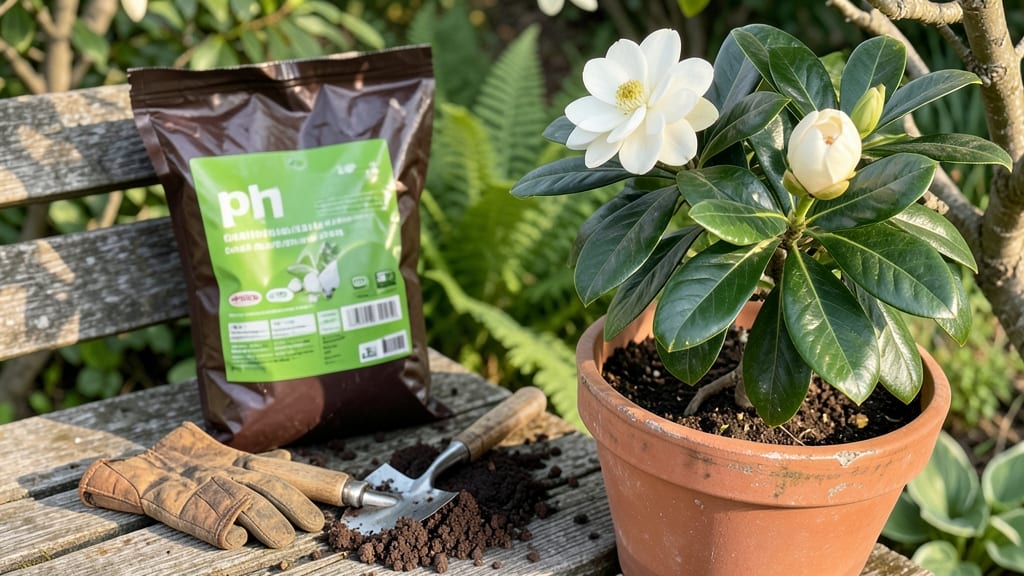
Fertilizing gardenias 🌸 with acid fertilizer is the secret to those fragrant, glossy blooms that make your yard smell like a tropical paradise.
But here’s the catch: too much acid can burn roots, while too little leaves your plant struggling to thrive. Gardenias crave soil with a pH between 4.5 and 5.5, mimicking their native forests—but most garden soils lean alkaline, which is why so many gardenias fail to bloom.
The right acid fertilizer makes all the difference, and I’ll walk you through choosing, applying, and troubleshooting it like a pro.
You’ll learn which types of acid fertilizers work best (spoiler: citrus peels aren’t enough), how often to feed without overdoing it, and what those yellow leaves really mean. By the end, your gardenia will be putting out year-round blooms instead of sad, sparse foliage.
Ready to transform your gardenia from lackluster to lush? Let’s dive into the science—and the simple steps—to keep your plant happy, healthy, and bursting with fragrance.

How to choose the right acid fertilizer for gardenias (pH requirements & types)
Gardenias demand acidic soil with a pH range of 4.5–5.5 to thrive. When soil pH strays above 6.0, your plant struggles to absorb iron and phosphorus, leading to yellow leaves and poor blooms.
The key is selecting an acid fertilizer that lowers pH while providing essential nutrients—without overpowering your gardenia’s delicate system. Let’s explore the best options to keep your shrub lush and flowering.
Most gardeners make the mistake of using standard fertilizers or lime-based amendments, which raise pH and worsen deficiencies. Instead, focus on fertilizers with sulfur, ammonium, or organic matter like cottonseed meal. These ingredients slowly acidify soil while delivering nitrogen, the building block for vibrant foliage and abundant blooms.
Always test your soil first—pH meters or lab tests cost a few dollars but save you from costly mistakes.
Now, let’s compare the top acid fertilizer types for gardenias. Each has unique benefits, from slow-release organic options to fast-acting liquid solutions. The right choice depends on your gardenia’s current health, soil type, and whether you prefer natural or synthetic inputs.
Below, we’ll break down the pros and cons so you can pick the best fit for your plant.
For organic gardeners, cottonseed meal and peat moss are my top picks. They improve soil structure while gently lowering pH over time. Mix 1–2 cups of cottonseed meal into the top 6 inches of soil in spring, then top-dress with peat moss annually.
This combo mimics the humus-rich forests where gardenias evolved, ensuring steady nutrient release without spikes that stress roots.
If your gardenia shows yellow leaves with green veins (a classic sign of iron deficiency), reach for chelated iron or ammonium sulfate. These fertilizers deliver iron in a form gardenias can absorb even in slightly alkaline soil.
Apply every 4–6 weeks during the growing season, but always water thoroughly afterward to prevent root burn. Think of it as a quick fix while you work on long-term pH balance.
Synthetic options like ammonium sulfate or liquid acidifiers are best for urgent corrections. For example, if a soil test reveals pH 6.2, a 1 tbsp application of ammonium sulfate per plant can drop pH by 1.0 in weeks.
Just monitor your gardenia closely—overdoing it can cause leaf scorch or stunted growth. I recommend splitting the dose into two applications, 2 weeks apart, to avoid shocking the plant.
Avoid lime or wood ash at all costs—they raise pH and worsen deficiencies. Even "balanced" fertilizers like 10-10-10 can harm gardenias if the soil isn’t acidic. Instead, pair your acid fertilizer with composted pine needles or coffee grounds (used sparingly) for a natural p
Step-by-step acid fertilizer schedule for gardenias (monthly feeding plan)
Gardenias demand acidic soil to thrive, and their feeding schedule should match their natural growth cycles. A monthly acid fertilizer plan ensures vibrant blooms and healthy foliage without overloading roots. The key is balancing nutrient delivery with seasonal needs, from spring’s vigorous growth to winter’s dormancy.
Start by testing your soil’s pH level—gardenias prefer 4.5 to 5.5. If your soil is too alkaline, amend it with sulfur or peat moss before applying fertilizer.
For established plants, a seasonal feeding calendar keeps them flourishing without stress. Let’s dive into the step-by-step schedule tailored for your gardenias.
🌱 Monthly Acid Fertilizer Schedule for Gardenias
- 1 Spring (March–May): Kickstart growth with acidic granular fertilizer (6-6-6 or 8-3-9 formula). Apply 1 tablespoon per plant every 4 weeks starting in early spring. Water deeply after application to activate nutrients.
- 2 Summer (June–August): Shift to light feeding every 6 weeks to avoid burning roots during peak heat. Use a liquid acid fertilizer (like citrus-based or pine needle tea) diluted to half-strength. Monitor for yellowing leaves—a sign of over-fertilization.
- 3 Fall (September–November): Reduce feeding to every 8 weeks if blooming continues. Skip fertilizer entirely in late fall if your gardenia is entering dormancy. Instead, focus on mulching with pine needles or oak leaves to maintain soil acidity naturally.
- 4 Winter (December–February): No fertilization needed—gardenias rest in colder zones. Instead, protect roots with a thick layer of mulch (3–4 inches) and water sparingly to keep soil lightly moist. This prevents root damage and prepares the plant for spring’s growth surge.
- 5 DIY Acid Boosters: For a natural acid kick, brew pine needle tea (steep 1 cup needles in 1 gallon of water for 24 hours, then dilute 1:1 with water) or mix used coffee grounds into the top inch of soil. Reapply every 2–3 months for a slow-release acid boost.
Avoid these common mistakes: Over-fertilizing causes leaf burn or bud drop, while skipping acid treatments leads to chlorosis (yellow leaves with green veins). Always water before and after applying fertilizer to prevent root damage, and prune spent blooms to encourage new growth.
With this seasonal acid fertilizer schedule, your gardenias will reward you with fragrant blooms year-round—just like their tropical forest home. Start with spring’s feeding frenzy and adjust as you observe your plant’s response to the soil’s pH and nutrient levels.
Pro tip: Keep a gardening journal to track blooms, leaf color, and growth patterns. This helps fine-tune your fertilizer routine for peak performance every season. Happy gardening! 🌸