
Planting
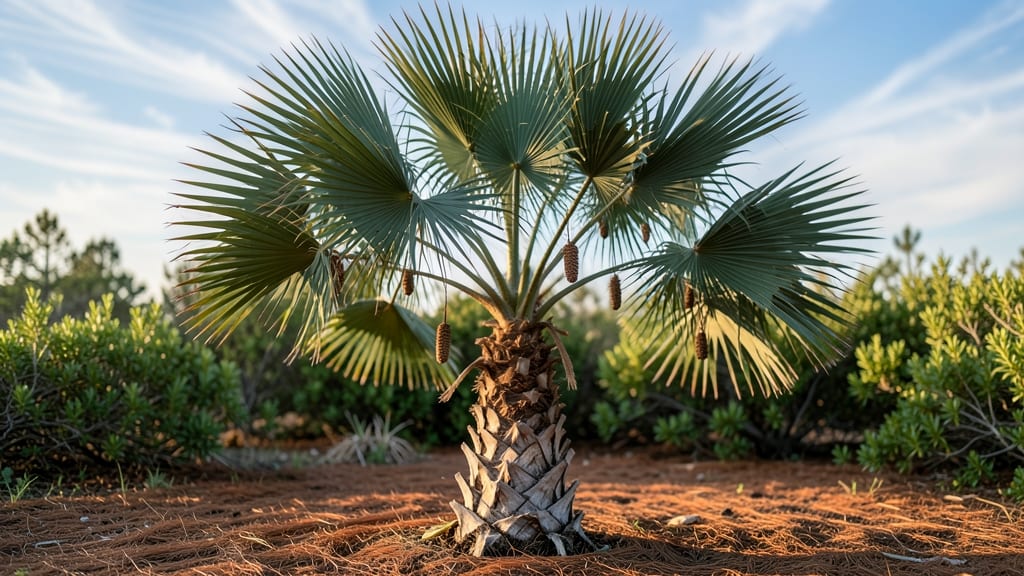
What gardening zone is Central Florida? It belongs to USDA Hardiness Zones 9b and 10a, where mild winters and warm summers create ideal conditions for frost-sensitive plants like citrus, bougainvillea, and hibiscus.
These zones mean you can grow tropical and subtropical plants year-round since temperatures rarely drop below 25°F (-4°C). 🌴 The warmer Zone 10a dominates southern Central Florida (Orlando, Kissimmee), while Zone 9b covers northern areas (Ocala, Daytona Beach).
This climate supports everything from avocados to mangoes, though some plants may need winter protection in Zone 9b's cooler pockets.
What sets Central Florida apart is its ability to grow both warm-season crops and cold-hardy vegetables simultaneously. For example, you can plant tomatoes in spring while still harvesting citrus from last fall's harvest. This dual-season capability makes Central Florida one of the most versatile gardening regions in the U.S.
💡 In This Article
- How USDA Zones 9b and 10a Define Central Florida’s Climate
- Best Plants for Central Florida’s Gardening Zones 9b and 10a
How USDA zones 9b and 10a define Central Florida’s climate
The USDA Plant Hardiness Zone Map divides Central Florida into two distinct zones based on average annual minimum temperatures. Zone 9b experiences winter lows of 25°F to 30°F (-4°C to -1°C), while Zone 10a sees temperatures between 30°F to 35°F (-1°C to 2°C).
These subtle differences create a microclimate where frost-sensitive tropical plants thrive, but occasional cold snaps can still occur in Zone 9b areas.
What makes these zones unique is their consistent warmth. Central Florida's proximity to the Gulf Stream helps moderate temperatures, preventing extreme cold snaps. The average last frost date in Zone 10a is around January 15, while Zone 9b typically sees its last frost by February 15.
This extended growing season allows for continuous planting cycles—something rare in northern climates. 🌡️ The summer heat is equally impressive, with average highs reaching 90°F (32°C) or higher from May through September, which is why shade-loving plants often perform better than sun-bakers.
These temperature ranges directly impact plant selection. For example, citrus trees like oranges and grapefruits need protection from temperatures below 28°F (-2°C), which is why growers in Zone 9b often use frost cloth or wind machines.
Meanwhile, Zone 10a's slightly warmer winters allow for more tropical species like coconut palms and banana plants to grow without additional care. The key difference isn't just about cold tolerance—it's about how quickly plants recover from temperature fluctuations.
Central Florida's climate also features high humidity year-round, with average relative humidity staying above 70% even in summer. This moisture level benefits plants that prefer tropical conditions but can challenge those from drier climates.
The combination of warmth, humidity, and minimal frost creates an ideal environment for subtropical plants that would struggle in colder regions. For instance, hibiscus flowers bloom continuously here, while they might only flower once in cooler zones.
What most gardeners don't realize is how these zones interact with seasonal rainfall patterns. Central Florida receives about 50 inches (127 cm) of rain annually, with summer thunderstorms providing most of the moisture.
This rainfall distribution means irrigation needs vary dramatically between seasons—summer plants often require less supplemental water than those planted in drier winter months. The interplay between temperature zones and precipitation creates a gardening environment that demands both tropical plant choices and smart water management strategies.
Understanding these climate specifics helps explain why Central Florida can support such diverse flora.
The ability to grow everything from avocados to blueberries in the same region demonstrates how these USDA zones create a gardening paradise for those who know how to work with the climate's nuances. 🌿 The key takeaway?
These zones aren't just about temperature—they're about creating the perfect balance of warmth, moisture, and growing seasons that make Central Florida unique in the U.S.