
Tools
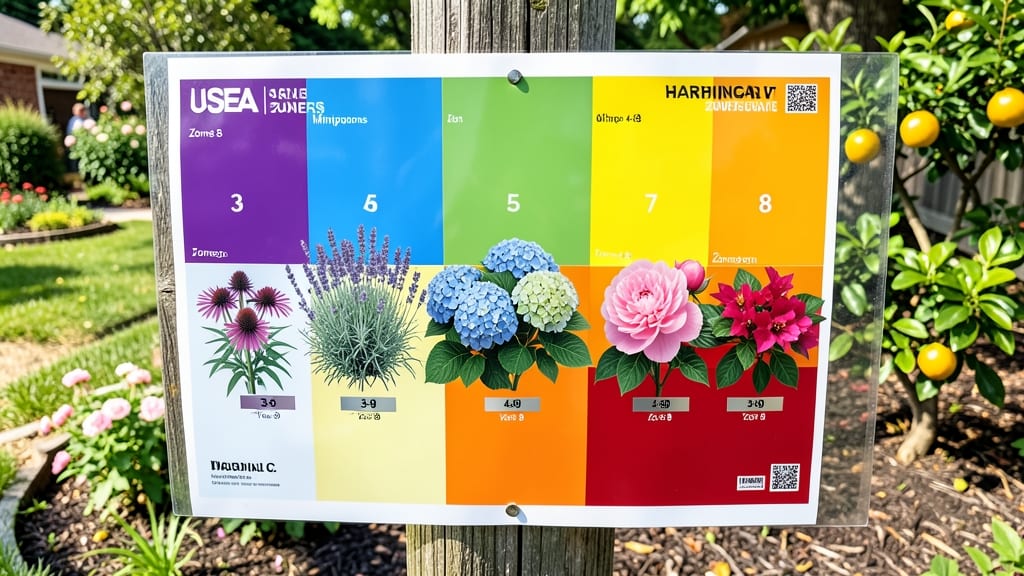
Gardening zones 3 through 8 cover everything from extreme northern cold (-40°F winters) to mild southern temperatures (10-20°F winters), determining which plants thrive in your region and when to plant them for the best results.
Understanding these zones helps you pick the right plants for your climate. For example, Zone 3 gardeners can grow cold-hardy vegetables like kale and potatoes, while Zone 8 offers longer growing seasons for heat-loving crops like tomatoes and peppers.
The key difference lies in frost timing—Zone 3 may have only 90-120 frost-free days, while Zone 8 enjoys 210+ days. 🌱 This variation means you'll need to adjust planting schedules, choose appropriate varieties, and sometimes even use season extenders like row covers or greenhouses.
Microclimates within each zone further complicate things—your backyard might be warmer than the official zone average due to sunlight exposure, wind patterns, or nearby water features. Always observe your garden's unique conditions and adjust your planting plans accordingly for the best results.
💡 In This Article
- How USDA Plant Hardiness Zones 3 to 8 Define Growing Conditions
- Top Crops and Plants for Zones 3 to 8: A Seasonal Planting Guide
How USDA Plant Hardiness zones 3 to 8 define growing conditions
The USDA Plant Hardiness Zone Map divides North America into 13 zones based on the average annual minimum winter temperature. Zones 3 through 8 represent a dramatic shift from subarctic conditions to subtropical climates.
Zone 3's -40°F to -30°F winters force gardeners to rely on extremely cold-hardy plants like Siberian pea shrubs or winter wheat, while Zone 8's 10°F to 20°F winters allow for year-round cultivation of citrus and olive trees.
This 10°F difference per zone creates a 50°F temperature gradient across just five zones—demonstrating how quickly growing conditions change with latitude.
Frost-free days form another critical factor. Zone 3 typically offers only 90-120 frost-free days, limiting growing seasons to mid-May through September, while Zone 8 enjoys 210+ frost-free days, extending growing potential from early March through December.
This creates a 120-day difference in potential growing time between the extremes. The science behind this involves heat accumulation units (measured in GDDs or growing degree days), where Zone 8 accumulates up to 4,500 GDDs annually compared to Zone 3's 1,500 GDDs.
These units determine which plants can complete their life cycles before winter returns.
Microclimates further complicate these averages. A south-facing wall can create a Zone 5 microclimate in an otherwise Zone 3 yard, while a low-lying area might experience 5-10°F colder temperatures than the official zone rating. Wind patterns, soil composition, and proximity to water bodies all influence local conditions.
For example, the Great Lakes region often sees warmer Zone 5 conditions near the water compared to inland Zone 4 areas. These variations mean gardeners must observe their specific conditions for 3-5 years to accurately determine their true growing parameters.
Heat zones provide another layer of complexity. While winter hardiness defines the zones, summer heat tolerance becomes equally critical in Zones 7 and 8.
Plants like okra and sweet potatoes thrive in Zone 8's 90°F+ summers, while Zone 3's 75°F average summer highs favor cooler-loving crops like broccoli and cabbage.
The USDA Heat Zone Map complements the Plant Hardiness Map by showing how many days per year temperatures exceed 86°F, 90°F, and 95°F, helping gardeners select heat-tolerant varieties when needed.
Plant physiology responds dramatically to these temperature variations. Cold-hardy plants like winter rye enter dormancy at 32°F, while tender annuals like eggplant suffer damage above 80°F.
The chilling requirement for many fruit trees (typically 200-1,000 hours below 45°F) explains why apple trees thrive in Zone 5 but struggle in Zone 8 without special care. Understanding these biological responses helps gardeners match plants to their specific zone's temperature patterns for optimal growth.
Consider how these factors interact in a real-world example: A Zone 6 gardener might successfully grow peaches (which need 500-800 chill hours) but struggle with figs (which require 0 chill hours and hot summers).
Meanwhile, a Zone 3 gardener could grow hardy kiwi varieties that tolerate -20°F but would need to protect tomatoes from early frosts. These examples show how zone classification directly translates to practical planting decisions and crop selection strategies.