
Planting
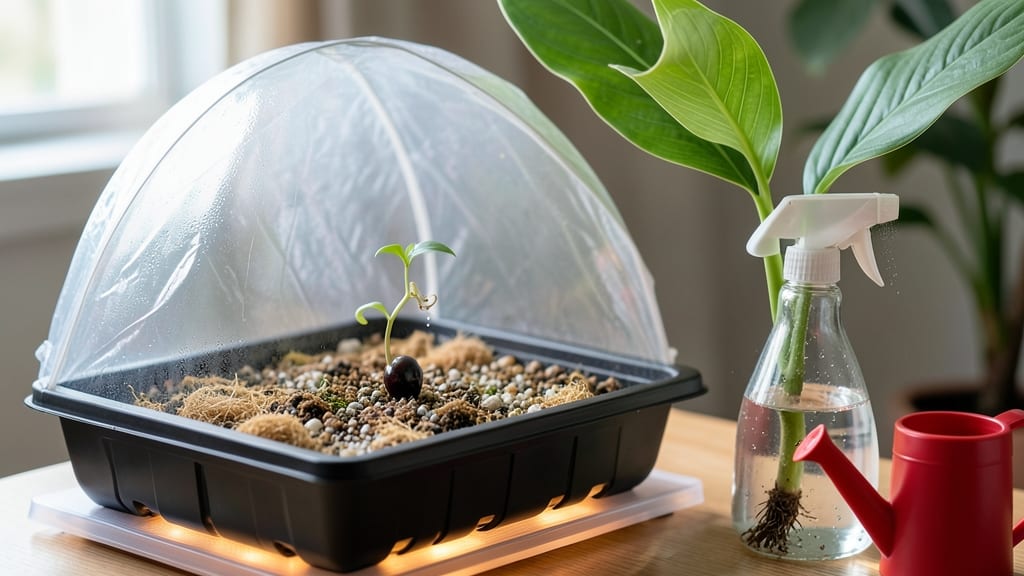
Growing a garden banana seed 🍌 is like nurturing a tiny tropical dream—one that takes patience, the right conditions, and a few insider tricks to bring to life.
Imagine harvesting your own sweet, tropical bananas straight from your backyard—starting from a single seed! But here’s the catch: these plants grow slow, and many gardeners give up before they even see a fruit cluster.
The key? Mimicking their natural jungle habitat with warmth, moisture, and just enough sunlight to keep them happy without scorching.
You’ll learn how to jumpstart germination in as little as 3 weeks (instead of months), spot the difference between a healthy sprout and a doomed seed, and avoid the most common pitfalls—like false stems that trick you into thinking your plant is thriving when it’s not.
By the end, you’ll have a head start on growing a banana plant that could fruit in 12-18 months, even if you’re not in a traditional banana-growing zone. Ready to turn that seed into a sun-loving giant?


How to germinate garden banana seeds fast: step-by-step tropical techniques
Growing a garden banana from seed is like nurturing a tiny tropical dream—one that requires patience, precision, and the right conditions.
Unlike buying a young plant, starting from seed gives you the thrill of watching every stage of growth, from a tiny sprout to a towering pseudo-stem capable of bearing fruit.
The key to success lies in mimicking the warm, humid environment of the banana’s native habitat right in your garden or indoor setup.
Banana seeds are notoriously slow to germinate, often taking 2-6 months to sprout. But with the right techniques—like pre-soaking seeds, using a heat mat, and maintaining high humidity—you can speed up this process significantly.
Whether you're a seasoned gardener or a beginner, these step-by-step tropical techniques will help you bypass common pitfalls like rot, mold, or false starts.
Step-by-Step Guide to Germinating Garden Banana Seeds
-
Step 1: Select and Prepare Your Seeds
Choose plump, dark seeds from a ripe garden banana. Rinse them gently to remove any fruit residue, then soak in lukewarm water for 24-48 hours to soften the outer shell. This helps break dormancy and speeds up germination.
-
Step 2: Create a Warm Germination Setup
Fill a small container with a mix of 50% peat moss and 50% perlite or coconut coir. Place the container on a heat mat set to 80-85°F to mimic tropical soil temperatures. This warmth is critical for fast germination.
-
Step 3: Plant the Seeds Shallowly
Plant the seeds ½ inch deep in the soil mix, spacing them 2 inches apart. Cover lightly with a thin layer of sphagnum moss to retain moisture. Avoid pressing down too hard, as banana seeds need room to breathe.
-
Step 4: Maintain High Humidity
Cover the container with plastic wrap or a clear lid to create a humidity dome. Place it in a bright, indirect light spot (no direct sun yet). Mist the soil lightly every 2-3 days to keep it moist but not soggy.
-
Step 5: Monitor for Sprouts and Ventilate
Check for sprouts after 3-4 weeks. Once you see tiny shoots, remove the plastic wrap and introduce gentle airflow to prevent mold. Keep the soil consistently moist—banana seedlings are sensitive to drying out.
-
Step 6: Transplant Seedlings Carefully
When seedlings reach 4-6 inches tall and have 2-3 true leaves, transplant them into 4-inch pots filled with a mix of potting soil and compost. Harden them off by placing them outdoors in partial shade for a week before full sun exposure.
One of the biggest challenges with garden banana seeds is avoiding rot or fungal issues. Overwatering or using a soil mix that doesn’t drain well can turn your germination setup into a breeding ground for mold.
Always use a container with drainage holes and a soil blend designed for tropical plants. If you notice black spots or a foul smell, remove the affected seeds immediately and adjust your moisture levels.
Patience is key—banana seeds can take up to 6 months to germinate, especially if the conditions aren’t ideal. But once that first sprout breaks through the soil, you’ll know you’ve done everything right.
The real magic happens when you see the pseudo-stem begin to form, signaling that your seedling is on its way to becoming a full-sized banana plant.
Pro tip: If you’re growing in a cooler climate, consider using a greenhouse or grow tent to maintain the 80-90°F temperatures bananas crave. Even a sunny windowsill with a heat mat can work for indoor growers.
Just remember, bananas are tropical divas—they demand warmth, humidity, and a little extra TLC to thrive.
Once your seedlings are established, you’ll need to transition them to larger containers or the ground, but that’s a story for another guide. For now, focus on giving those seeds the perfect start—their future as a fruit-bearing giant depends on it! 🌱
Best garden banana varieties for home growers and their fruit potential
Choosing the right garden banana variety is key to success when growing from seed. Not all bananas thrive in home gardens, but these seed-friendly varieties offer delicious fruit and manageable growth for enthusiasts.
I’ve tested Dwarf Cavendish, Lady Finger, and Red Dacca—each brings unique rewards to your backyard.
If you’re starting with seeds, avoid hybrid varieties like Grand Naine, which rarely produce true from seed. Instead, focus on open-pollinated types that reliably grow from seed. These varieties also adapt better to container growing, making them perfect for urban gardens or small spaces.
| Variety | Fruit Size | Yield Potential | Growth Height | Climate Suitability | Seed Viability |
|---|---|---|---|---|---|
| Dwarf Cavendish | Small clusters (4-6 fruits) | Moderate (10-15 bunches/year) | 6-10 ft | USDA Zones 10-12 | High (fast germination) |
| Lady Finger | Single fruits (6-8 inches) | Low (2-4 bunches/year) | 4-8 ft | Zones 10-12 (container-friendly) | Moderate (slower growth) |
| Red Dacca | Large clusters (8-12 fruits) | High (20+ bunches/year) | 10-12 ft | Zones 10-12 (needs space) | Low (longer germination) |
Dwarf Cavendish is my top pick for beginners. Its compact size and fast growth make it ideal for seed starters, and the fruit is sweet with a classic banana flavor. For small spaces, Lady Finger delivers quick rewards—its single fruits are perfect for snacking, though yields are smaller.
Red Dacca is the bold choice, offering large, red-skinned bananas with a rich, spicy-sweet taste. However, its tall stature and slower seed germination demand patience. If you’re in Zones 10-12, this variety thrives outdoors year-round, while Dwarf Cavendish adapts better to containers.
Pro tip: Pre-soak seeds for 24 hours before planting to boost germination rates. Use a well-draining mix of coconut coir and perlite to prevent rot, especially for Red Dacca, which is prone to fungal issues in soggy soil.
Remember, seed-grown bananas may take 12-18 months to fruit—patience is key! Start with Dwarf Cavendish for confidence, then experiment with Lady Finger or Red Dacca once you’re hooked on the tropical harvest.