
Tools
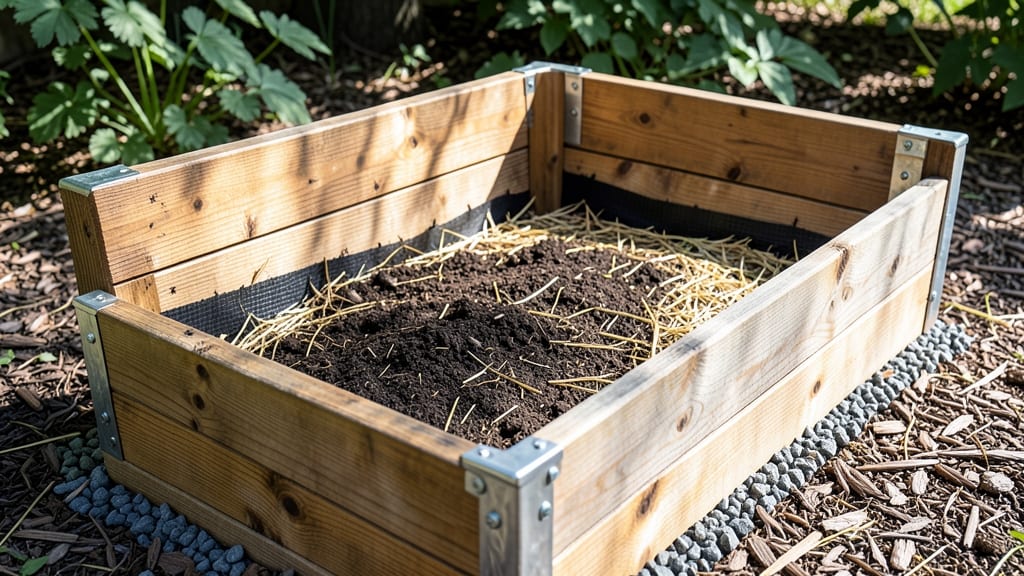
For treated wood in raised garden beds, choose ACQ or CA pressure-treated lumber to balance durability and plant safety, then line the interior with landscape fabric to block chemical leaching into soil.
Modern pressure-treated wood has come a long way from arsenic-laden options, but not all treatments are equal for edible gardens. 🌱 ACQ and CA treatments use copper-based preservatives that break down over time, making them safer for vegetables and herbs compared to older MCQ formulations.
The key is preventing leaching by using a barrier—landscape fabric works best—while still letting water drain freely. I've seen beds last 10+ years with this setup, especially when paired with cedar caps that resist rot better than untreated wood.
Proper construction matters just as much as material choice. Start with 6x6 or 2x6 boards for stability, space them 1/4-inch apart for drainage, and use stainless steel or galvanized screws to prevent rust stains.
Avoid cutting corners on bed height—12+ inches gives roots room to grow while maintaining good drainage. The extra effort upfront saves headaches (and money) down the road when your beds stay structurally sound season after season.
💡 In This Article
- Why Pressure-Treated Wood Types Matter for Garden Safety
- Building Long-Lasting Raised Beds with Treated Wood
Why pressure-treated wood types matter for garden safety
Not all pressure-treated wood is created equal when it comes to edible gardens. The key difference lies in the chemical preservatives used. ACQ (alkaline copper quaternary) and CA (copper azole) treatments use copper-based compounds that resist leaching better than older formulations.
These modern treatments meet USDA and EPA standards for plant-safe applications, with copper concentrations typically around 0.4-0.6 lbs per cubic foot of wood. The copper binds tightly to the wood fibers, reducing the risk of toxic levels reaching plant roots.
The older MCQ (micronized copper quaternary) and especially arsenic-based treatments (CCA) pose serious risks. Arsenic-treated wood, though banned for residential use since 2003, may still appear in older beds. When these chemicals leach into soil, they can accumulate in edible plants.
Copper treatments, while not completely risk-free, break down more predictably and are considered safer for vegetable gardens when properly contained. 🌱 The copper's antimicrobial properties actually help prevent rot, but only if the treatment remains intact.
Leaching happens when water moves preservatives from wood into soil. This process accelerates with moisture fluctuations and temperature changes. In raised beds, the interior wood surfaces have direct contact with soil and moisture, making them prime leaching zones.
That's why lining the interior with landscape fabric creates a crucial barrier—it blocks 90% of chemical movement while still allowing water drainage. The fabric should be heavy-duty (3-5 oz per sq yd) and overlap seams by 6 inches to prevent gaps where leaching could occur.
Soil pH plays an unexpected role in chemical availability. Copper becomes more soluble (and thus more likely to leach) in acidic soils (pH below 6.0). Most garden soils fall in the 6.0-7.5 range, but container mixes or sandy soils can be more acidic.
Testing your soil's pH before building beds helps determine if additional lining or buffer materials are needed. For highly acidic conditions, consider adding a thin layer of calcitic lime before filling with soil to create a protective barrier.
Regulatory standards provide some reassurance, but real-world conditions vary. The American Lumber Standards Committee (ALSC) certifies ACQ and CA treatments as suitable for vegetable gardens when used according to guidelines. However, these standards assume proper installation—meaning no cuts or punctures in the wood that could expose untreated areas.
I've seen beds last 10-15 years with proper maintenance, while poorly constructed ones may need replacement in just 3-5 years due to accelerated rot from chemical exposure.
For maximum safety with sensitive plants like leafy greens or root vegetables, consider adding a 1-inch layer of compost between the fabric lining and soil. This creates an additional buffer zone that helps neutralize any residual chemicals.
The compost also improves soil structure and fertility, making it a practical solution that serves multiple purposes in your garden ecosystem. 💫