
Container Gardens
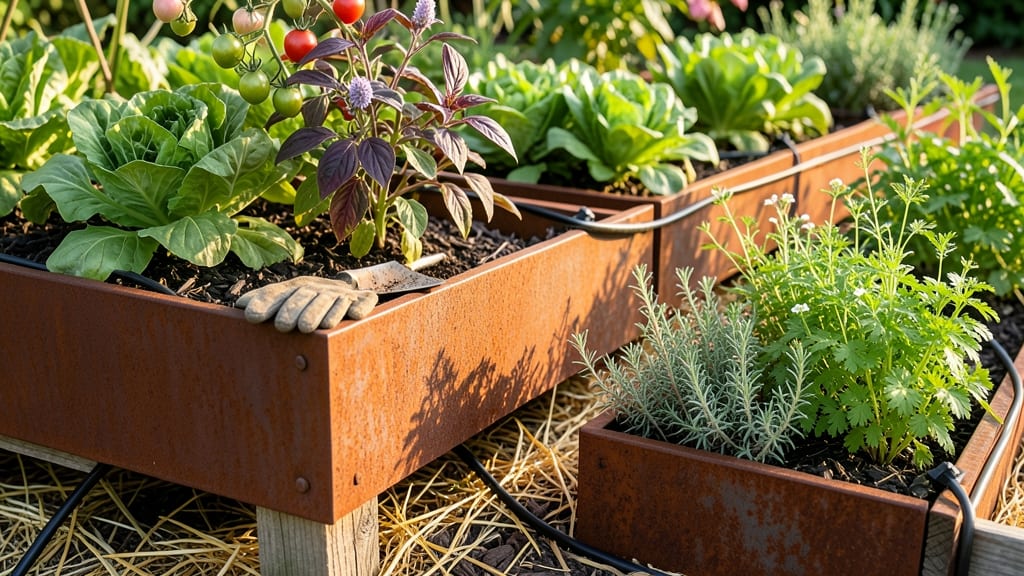
Corten steel raised garden beds provide unmatched longevity and rust resistance for outdoor growing spaces, thanks to their self-protecting weathering steel composition that forms a stable patina over time. Their durable construction makes them perfect for sustainable, low-maintenance gardening.
These beds stand out because their unique alloy composition—containing copper, chromium, and phosphorus—actively develops a protective oxide layer when exposed to weather. 🌿 Unlike regular steel, corten steel doesn't require painting or sealing, making it ideal for harsh climates.
The patina thickens over time, creating an even stronger barrier against moisture and corrosion. I've seen these beds last decades with minimal care, even in coastal areas where salt air would destroy standard metal.
Beyond durability, corten steel's thermal properties help regulate soil temperature, creating optimal growing conditions for a wide range of plants. The material's natural aesthetic also adds rustic charm to any garden space, blending functionality with visual appeal.
For gardeners seeking long-term solutions, corten steel raised beds represent an investment that pays off in both performance and beauty.
💡 In This Article
- How Corten Steel Resists Rust and Corrosion
- Designing Corten Steel Raised Beds for Optimal Plant Growth
How corten steel resists rust and corrosion
The magic of corten steel lies in its carefully balanced alloy composition—typically containing 0.4-0.6% copper, 0.8-1.25% chromium, and 0.08-0.15% phosphorus. These elements work together to create a self-protecting oxidation process when exposed to moisture and oxygen.
Unlike regular steel that corrodes uniformly, corten steel develops a stable patina layer that actually thickens over time, sealing out further corrosion. This patina forms within 6-12 months of outdoor exposure, depending on climate conditions. 🔥
The copper content is particularly crucial—it accelerates the formation of a dense oxide layer that's 10-20 times thicker than rust on standard steel. The chromium creates a passive oxide film that further protects the base metal, while phosphorus enhances the steel's resistance to atmospheric corrosion.
In tests, corten steel has shown 3-5 times longer lifespan than carbon steel in outdoor conditions, even in industrial environments with high pollution levels. The patina's final appearance ranges from orange-brown to deep reddish-brown, depending on weather exposure and alloy variations.
What makes this process so effective is the controlled oxidation. The alloy's composition ensures the corrosion happens slowly and predictably rather than rapidly. This means the steel doesn't weaken structurally while developing its protective layer.
For gardeners, this translates to beds that maintain their integrity while developing a beautiful, natural finish that blends seamlessly with outdoor environments. The material's ability to self-heal minor surface damage through continued oxidation makes it particularly resilient in fluctuating weather conditions. 💫
This corrosion resistance isn't just theoretical—real-world examples show corten steel structures lasting 50+ years with minimal maintenance. In coastal areas where salt air would destroy standard metal within 5-10 years, corten steel beds continue performing optimally.
The material's performance improves with age as the patina continues to thicken, creating a paradox where older corten steel is actually more protective than new. This makes it ideal for permanent garden installations where longevity is a priority.
Unlike painted or galvanized steel that requires regular maintenance, corten steel's patina actually improves its protective qualities over time. The surface becomes more stable and less porous as it ages, reducing the need for coatings or treatments.
This natural process eliminates the maintenance headaches associated with other metal garden beds, making corten steel an excellent choice for gardeners seeking both durability and low upkeep. The material's ability to handle temperature fluctuations without warping also contributes to its long-term performance in outdoor conditions.
For gardeners concerned about aesthetics, the patina's development actually enhances the material's appearance. The final color ranges from earthy browns to deep rust hues, creating a natural, organic look that complements garden landscapes beautifully.
This visual evolution makes corten steel beds not just functional but also increasingly attractive as they age. The material's ability to develop this protective layer without human intervention represents a perfect marriage of form and function in garden design. ✨