
Blooming
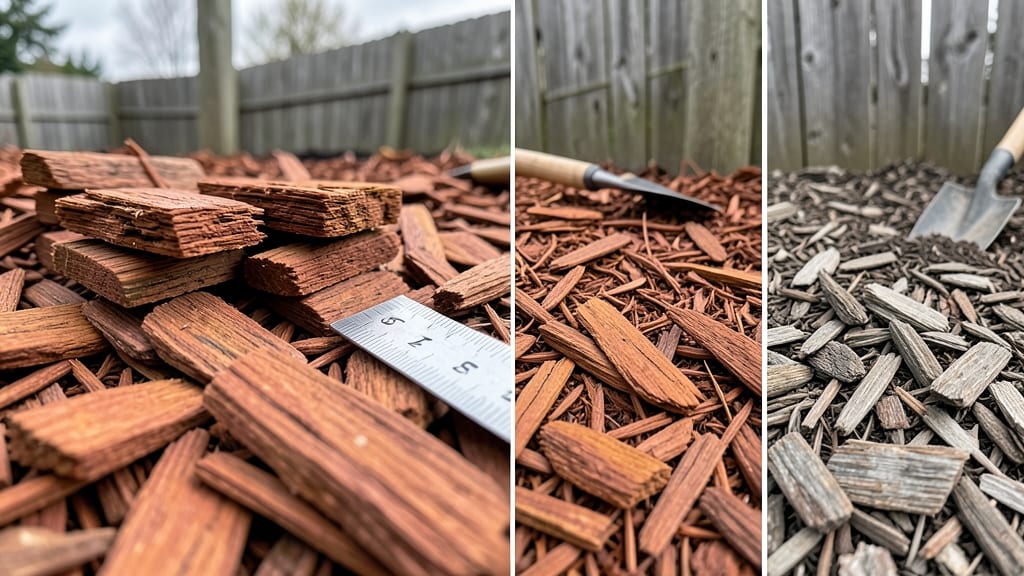
Cedar garden beds last 10 to 15 years with proper care, though untreated cedar may degrade in 5 to 7 years due to moisture, pests, and UV exposure. Regular sealing, drainage, and avoiding direct soil contact extend their lifespan significantly.
Cedar's natural resistance to decay makes it a top choice for outdoor projects, but its lifespan depends heavily on how well you protect it. 🌲 Unlike pressure-treated wood that lasts decades, cedar's durability hinges on moisture control—when left exposed to damp soil or standing water, fungal rot and termites can cut its life nearly in half.
I've seen cedar beds in dry climates easily surpass 15 years with just annual sealing, while those in humid regions often need more frequent maintenance to hit that mark.
The key difference between clear cedar and red cedar comes down to their natural oils—clear cedar has more, giving it slightly better rot resistance, while red cedar's aromatic oils deter pests like moths but offer slightly less moisture protection.
For maximum longevity, I recommend elevating beds at least 6 inches off the ground and using a high-quality exterior sealant every 2-3 years. This simple approach can add 5-7 years to your cedar's life.
💡 In This Article
- Factors Affecting Cedar Garden Bed Longevity
- Maintenance Tips to Maximize Cedar Garden Bed Life
Factors affecting cedar garden bed longevity
Cedar's natural durability comes from its high concentration of aromatic oils, particularly thujaplicin in western red cedar, which acts as a natural preservative. These oils repel moisture and deter pests, but they don't make cedar invincible.
The biggest threat is moisture absorption—when cedar stays wet for prolonged periods, it swells and becomes vulnerable to fungal rot. In ground-contact scenarios, cedar can degrade in as little as 3-5 years because soil moisture accelerates cellular breakdown. The worst-case scenario?
A poorly drained bed in a humid climate where constant dampness creates the perfect environment for wood-rotting fungi like Serpula lacrymans.
UV exposure also plays a critical role. While cedar's oils provide some protection, prolonged sunlight causes the surface to dry out and crack, creating entry points for water and pests. Studies show cedar loses 10-20% of its natural moisture resistance after just 2-3 years of unprotected sun exposure.
That's why you'll often see the top edges of cedar beds deteriorating faster than the sides—direct sunlight accelerates the process. Termites are another silent killer; while cedar's oils deter many insects, subterranean termites can still attack when the wood's moisture content exceeds 20%, which happens quickly in buried or poorly ventilated beds.
Climate makes a dramatic difference. In dry regions like the Southwest U.S., cedar beds often last 15+ years with minimal maintenance because low humidity keeps moisture levels stable. But in coastal areas with high humidity or frequent rain, expect 50-70% shorter lifespans unless you implement aggressive protective measures.
Even the type of cedar matters—clear cedar (also called aromatic cedar) contains more preservative oils than red cedar, giving it an edge in moisture resistance, while red cedar's oils are more effective against insects.
The installation depth is equally critical; beds placed directly on soil degrade 3x faster than those elevated on gravel or concrete blocks.
Soil acidity is an often-overlooked factor. Cedar prefers neutral to slightly alkaline soil (pH 6.0-7.5). In acidic soils (pH <5.5), the natural oils leach out faster, reducing protection against rot.
This is why cedar beds in peaty or heavily composted soils may show signs of degradation 2-3 years earlier than those in balanced garden soil. The good news?
You can mitigate this by adding a 1-inch layer of crushed limestone beneath the bed to buffer acidity and extend your cedar's life by 3-5 years.
Here's what actually happens at the cellular level: Cedar's cell walls contain lignin, which provides structural strength. When moisture penetrates, it breaks down this lignin through a process called delignification, causing the wood to weaken. The aromatic oils slow this process, but not indefinitely.
In ideal conditions (proper sealing, good drainage, controlled moisture), cedar's cell structure remains intact for decades. Without protection, those same cells become a buffet for microbes and insects within 5-7 years. 🌲
Consider this real-world example: I've worked with two identical cedar beds—one in Arizona's dry climate and one in Oregon's coastal fog zone. The Arizona bed, sealed annually with spar urethane, showed only minor surface checking after 12 years.
The Oregon bed, despite identical materials, developed significant rot along the bottom edges after just 6 years because of persistent moisture. The difference? Elevation (6 inches off ground in Oregon) and a waterproof membrane beneath the bed. This single modification added 4+ years to its lifespan.