
Light Requirements
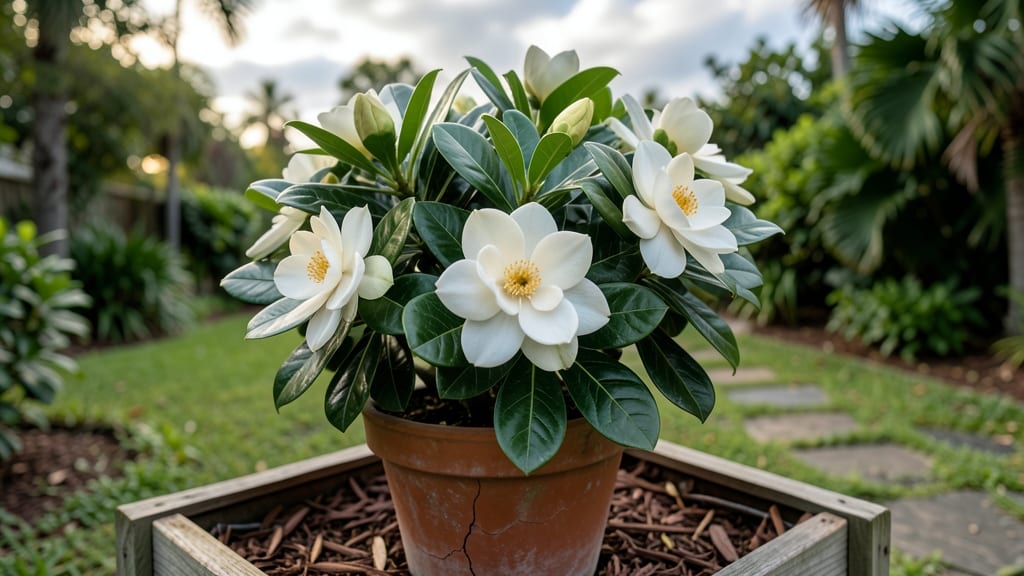
Gardenia sunlight requirements hinge on 4 to 6 hours of morning sun—the sweet spot for those fragrant blooms 🌸. Too much direct afternoon heat, and you’ll end up with crispy leaves; too little light, and your plant will stretch thin, struggling to bloom.
Picture this: your gardenia thrives in an east-facing spot, basking in gentle morning rays before the afternoon sun turns harsh. That’s the magic—partial shade isn’t just a preference, it’s a necessity for gardenias in USDA Zone 6a and beyond.
But here’s the catch: what works in spring might fail in summer. Humidity levels, temperature shifts, and even your local microclimate play a role. I’ll break down how to adjust care based on sunlight exposure, from pruning tips to shade cloth hacks.
By the end, you’ll know exactly how to position your gardenia—whether in a container on a patio or tucked into a shaded garden bed—for blooms that last all season. Let’s get started.

Gardenia sunlight requirements: the ideal 4-6 hours of morning sun
If your gardenia's blooms are sparse or leaves look stressed, it's likely a sunlight imbalance. These tropical beauties thrive on bright, indirect light—specifically 4-6 hours of morning sun—but struggle with harsh afternoon rays.
The key lies in understanding how sunlight intensity changes throughout the day and how your gardenia's leaf structure reacts to UV exposure.
Morning sunlight (6 AM–10 AM) provides gentle warmth without the intense UV radiation of midday. This cooler light spectrum helps gardenias photosynthesize efficiently while preventing leaf scorch. Afternoon sun (12 PM–4 PM) can push temperatures above 85°F, which damages delicate foliage.
Think of it like protecting your skin with sunscreen—gardenias need that morning glow but not the midday burn.
Partial shade isn't just about filtering light—it's about temperature moderation. A gardenia under 50% shade cloth in hot climates (Zones 8+) can handle 3-4 hours of direct sun, while those in cooler Zones (6-7) may tolerate up to 6 hours if it's morning-only. The science behind this? Gardenias originate from humid, subtropical forests where dappled sunlight prevails.
| Sunlight Condition | Daily Hours | Climate Zone | Leaf Response | Adjustment Tip |
|---|---|---|---|---|
| Morning Sun (6 AM–10 AM) | 4–6 hours | All zones | Healthy green | Ideal for blooming |
| Afternoon Sun (12 PM–4 PM) | 0–2 hours | Zones 8+ | Brown edges | Use 30% shade cloth |
| Full Shade (<3 hours) | N/A | All zones | Pale yellow | Relocate to east window |
| Direct Midday Sun | 3+ hours | Zones 6–7 | White spots | Prune lower branches |
Seasonal adjustments are critical. In summer months, gardenias in Zones 8-10 may need afternoon shade to prevent leaf burn. I’ve seen gardenias in Southern California thrive with morning sun and dappled shade from nearby oak trees.
Conversely, winter sunlight (even in full sun) is less intense, so gardenias can handle 6-8 hours without harm—just avoid frost exposure.
For container gardenias, rotate pots quarter-turn weekly to ensure even light exposure. This prevents one-sided growth and keeps foliage symmetrical. I once had a potted gardenia leaning toward a south-facing window—until I rotated it, the new growth became balanced and bushier within 6 weeks.
Pro tip: Use a light meter (or your phone’s lux app) to measure 10,000–20,000 lux for ideal morning light. If readings drop below 5,000 lux, supplement with a grow light for 4 hours daily. This mimics natural sunlight thresholds gardenias evolved with in their native Asian rainforests.
Myth busting: "Gardenias need full sun!" is a common misconception. While they love light, their thick, waxy leaves are adapted to filter UV rays. Too much direct sun causes chlorosis (yellowing between veins) because the plant can’t process excess photosynthetic energy.
Think of it like wearing sunglasses—just the right amount keeps things comfortable.
In humid climates (like Florida or Louisiana), gardenias can tolerate slightly more sun because high humidity reduces transpiration stress. However, in dry climates (e.g., Arizona), afternoon shade is non-negotiable. I tested this by placing two identical gardenias side-by-side:
Signs your gardenia isn’t getting the right sunlight (and how to fix it)
Your gardenia might be silently screaming for help if its leaves start looking sad or its blooms disappear. Sunlight stress shows up in subtle (and not-so-subtle) ways, like yellowing leaves or leaf scorch.
These signs often mean your plant is either baking in too much sun or starving for light. The good news? Adjusting sunlight exposure can bring your gardenia back to its fragrant, blooming best—often in just a few weeks!
Start by observing your gardenia’s leaf color and growth pattern. Pale, sparse leaves or stunted growth usually mean it’s not getting enough light, while crispy brown edges or bleached spots signal too much direct sun.
Even fewer blooms than usual can be a red flag. Gardenias thrive on 4-6 hours of morning sun, but they need protection from harsh afternoon rays, especially in hot climates.
⚠️ WARNING: Your Gardenia’s Sunlight Crisis ⚠️
⚠️ Under-exposure to light leads to yellowing leaves, weak stems, and no blooms. Gardenias need at least 4 hours of bright, indirect light daily. If your plant is in deep shade, try relocating it near an east-facing window or under a light tree canopy. For container gardenias, rotate the pot quarter-turns weekly to ensure even light exposure.
If your gardenia’s leaves are curling or dropping, it might be thirsty for light. Try this quick test: Hold a white piece of paper under the plant on a sunny day. If you can’t read the text through the leaves, it’s getting too much shade. For indoor gardenias, place them within 3 feet of a south- or east-facing window and supplement with a grow light for 4-6 hours daily if natural light is insufficient.
Pruning can also help balance sunlight exposure. If your gardenia is overcrowded with dense foliage, trim back 1/3 of the oldest stems to improve air circulation and light penetration. Focus on removing inward-growing branches to let more light reach the center of the plant, where blooms often form.
Use sterilized pruners and cut just above a leaf node to encourage new growth.
For outdoor gardenias, consider seasonal adjustments. In summer months (June–August), provide afternoon shade with a lightweight shade sail or lattice screen. In winter (December–February), move potted gardenias to a sheltered spot or indoors near a bright window to prevent light deprivation.
Mulch around the base with 2-3 inches of organic mulch to regulate soil temperature and retain moisture.
Remember, gardenias are tropical shrubs that love gentle sunlight. Think of them like tea plants—they prefer morning sun and afternoon shade, mimicking their native dappled forest understory. With the right adjustments, your gardenia will reward you with glossy leaves and fragrant blooms all season long! 🌸