
Vegetables
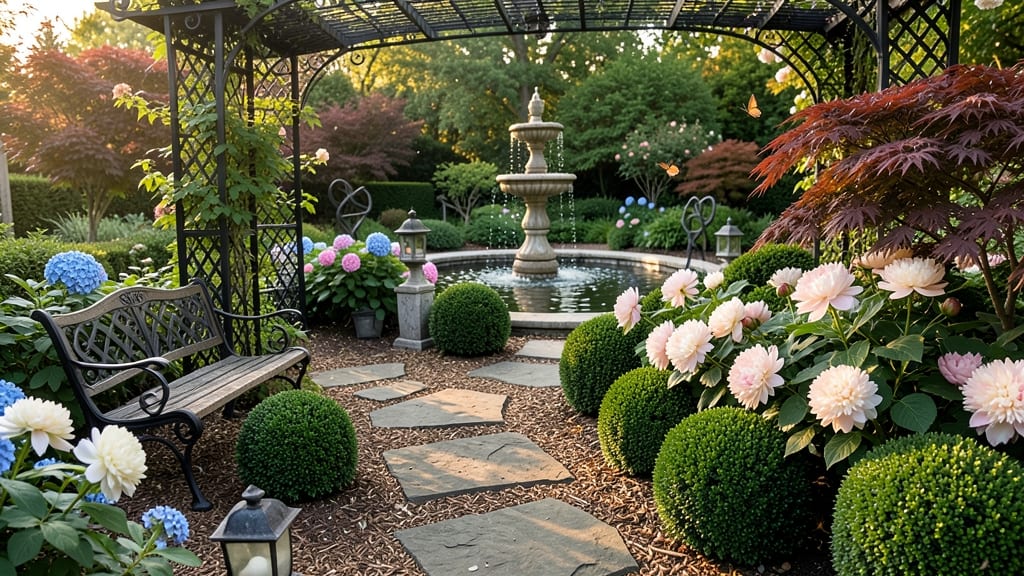
Longwood Gardens 2025 will showcase an immersive Night in the Gardens light festival (May–October), expanded seasonal topiary displays, and a brand-new Sustainable Living Center highlighting eco-conscious gardening. Expect rare orchid collections and year-round conservatory blooms.
This year's lineup transforms the gardens into an ever-evolving experience.
The Night in the Gardens festival uses cutting-edge LED technology to create dynamic light displays that shift with the seasons, while the topiary exhibits will feature fresh designs every few months. 🌿 The Sustainable Living Center isn't just an exhibit—it's an interactive space where visitors can learn about sustainable landscaping techniques and even take home their own plants.
With extended bloom seasons in the conservatories, you'll find vibrant colors year-round, making every visit feel like a fresh discovery.
The orchid collection deserves special attention—Longwood Gardens is introducing rare hybrids that typically bloom outside their usual seasons, giving visitors a chance to see these delicate flowers at their peak.
This strategic timing aligns with the gardens' commitment to showcasing plants in their most spectacular forms, whether through light, design, or extended flowering periods.
💡 In This Article
- Longwood Gardens 2025 Seasonal Exhibits Explained
- Planning Your Visit to Longwood Gardens 2025
Longwood Gardens 2025 seasonal exhibits explained
The Night in the Gardens festival transforms the landscape after dark using 12,000+ LED lights that adjust color temperatures (from 2700K warm white to 6500K cool blue) to mimic natural light cycles. This isn't just decoration—it's a carefully calibrated experience that responds to seasonal themes.
For example, summer displays might feature vibrant blues and purples to evoke twilight skies, while autumn showcases warm amber tones that mimic sunset hues. The LED technology also reduces energy consumption by up to 40% compared to traditional lighting, making it both visually stunning and eco-friendly.
The Topiary Garden designs shift every 8-12 weeks to reflect current events, holidays, and horticultural trends. Unlike static displays, these sculptures are hand-pruned by Longwood's team of topiary artists using techniques like "boxwood hedging" and "yew shaping."
For instance, spring designs might feature delicate cherry blossom-inspired forms, while winter displays often incorporate geometric patterns inspired by snowflakes.
The plants themselves are carefully selected for their resilience—species like Buxus sempervirens (boxwood) can maintain intricate shapes for years with proper care, while seasonal varieties like Lagerstroemia (crape myrtle) add temporary but dramatic color contrasts.
The new Sustainable Living Center represents a groundbreaking integration of gardening and environmental science. Visitors can explore how rainwater harvesting systems (like the 10,000-gallon cistern on-site) reduce irrigation needs by 60%80% less water than non-native alternatives.
The center's "Edible Garden" section even shows how vertical farming techniques can increase crop yields by 30% in limited spaces.
This isn't just theory—guests can participate in hands-on workshops where they'll learn to propagate plants from cuttings using just water and a glass jar, a technique that achieves 90% success rates with proper light exposure.
What makes the orchid collection particularly exciting is Longwood's use of photoperiod manipulation—a technique where artificial lighting extends blooming seasons beyond their natural cycles. For example, Phalaenopsis orchids typically bloom for 2-3 months, but under controlled light conditions, they can flower continuously for 6-8 months.
The conservatories maintain precise humidity levels (60-70%) and temperature ranges (65-80°F) to create ideal conditions for these tropical plants. This scientific approach ensures visitors see these delicate flowers at their absolute peak, regardless of the season outside.
Behind every exhibit is a team of horticultural scientists who monitor plant health using soil sensors that track moisture, pH, and nutrient levels in real-time. The data helps adjust irrigation schedules with 95% accuracy, preventing both overwatering and drought stress.
This precision gardening isn't just about beauty—it's about conservation. By demonstrating these techniques to visitors, Longwood Gardens is helping to create a new generation of gardeners who understand both the art and science of sustainable landscaping.
Don't miss the Fountain Show either—this annual spectacle uses 1,200+ nozzles to create choreographed water displays synchronized with music. The engineering behind it is fascinating: each nozzle can deliver water at 50-150 psi, creating patterns from gentle mist to powerful jets.
The system uses 1.2 million gallons of water per hour during peak performances, but the water is fully recycled through a closed-loop filtration system. 💫