
Trees
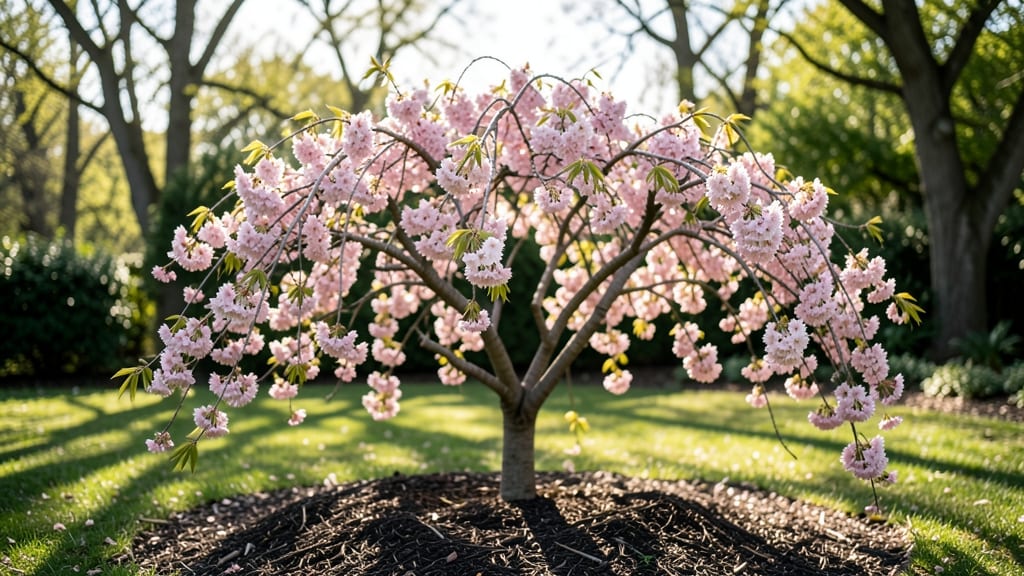
A cherry blossom tree for your garden transforms your outdoor space with breathtaking spring blooms, while varieties like Yoshino and Kwanzan provide seasonal interest beyond just flowers. These trees thrive in full sun and well-drained soil, offering shade and attracting pollinators year-round.
A cherry blossom tree isn't just about the iconic pink flowers—it's a year-round investment in beauty and ecosystem support. 🌸 The Yoshino variety, for example, blooms prolifically in zones 5-8, while Kwanzan offers double flowers and thrives in slightly warmer climates.
What sets these apart is their ability to create a canopy that filters sunlight beautifully while providing habitat for birds and bees. I've seen firsthand how a single tree can elevate a garden's curb appeal while requiring minimal maintenance once established.
For best results, plant during dormancy in late fall or early spring, giving roots time to establish before the first blooms appear.
The key is preparing the soil with compost to improve drainage—cherry blossoms hate soggy roots. 🌿 Regular pruning in late winter removes dead branches and encourages stronger growth for next year's flowers. Just remember: these trees reward patience with decades of seasonal interest, from spring blossoms to autumn foliage.
💡 In This Article
- Best Cherry Blossom Tree Varieties for Different Climates
- Step-by-Step Guide to Planting and Caring for Cherry Blossom Trees
Best cherry blossom tree varieties for different climates
Cherry blossom trees aren't one-size-fits-all—their performance depends heavily on your hardiness zone and microclimate. The Yoshino cherry (Prunus × yedoensis) thrives in zones 5-8, where it delivers massive spring displays with thousands of delicate white-pink blooms.
Its compact size (25-35 feet tall) makes it perfect for smaller gardens, while its early bloom time (March-April) often precedes leaf-out, creating a stunning contrast. 🌸 In colder climates, Yoshino's resilience shines—it can withstand temperatures down to -20°F once established.
For warmer regions (zones 6-9), the Kwanzan cherry (Prunus serrulata 'Kwanzan') steals the show with its double-pink flowers that bloom slightly later (April-May). This variety reaches 30-40 feet tall and offers extended flowering, sometimes producing second blooms in fall.
What sets it apart is its dark red fall foliage and attractive brown bark in winter, giving you year-round interest. However, Kwanzan requires more consistent moisture—drought stress can reduce flowering.
The Autumn Brilliance cherry (Prunus × 'Autumn Brilliance') bridges the gap between Yoshino and Kwanzan, excelling in zones 4-8. Its deep pink flowers appear in late April-early May, followed by bright red fall foliage that lasts well into October.
This variety's 30-40 foot height makes it ideal for larger properties, while its disease resistance (particularly to powdery mildew) reduces maintenance. The trade-off? It blooms slightly later than Yoshino, so early spring frost risks can damage flowers.
Climate affects more than just blooming—it influences root development and pest vulnerability. In humid zones (like the Southeast), choose disease-resistant cultivars like 'Stella Pink' or 'Royal Burgundy' that handle moisture better.
In arid regions, the Autumn Brilliance variety performs better due to its drought tolerance once established. 💧 The key is matching your tree's native climate preferences—Yoshino's Japanese origin means it prefers moderate rainfall, while Kwanzan's Korean heritage suits slightly warmer, wetter conditions.
Tree size matters too—Yoshino's compact form works for urban gardens, while Kwanzan's larger stature needs 30+ feet of horizontal space. Consider your property's layout: a Yoshino near a patio creates filtered shade without overwhelming the space, while a Kwanzan becomes a focal point in larger landscapes.
For small yards, dwarf varieties like 'Shirotae' (white flowers) or 'Cloud Nine' (pink flowers) offer the same beauty at 15-20 feet tall, perfect for container planting.
Seasonal interest varies too—Yoshino's white bark in winter provides subtle texture, while Kwanzan's dark branches create striking silhouettes against snow. Autumn Brilliance's red fall leaves add a dramatic finish to the season.
Choose based on your garden's existing color palette: white Yoshino flowers contrast beautifully with deep green foliage, while Kwanzan's pink blooms complement purple spring bulbs. 🌿
Pro tip: If you live in a transition zone (like zone 6), consider grafting different varieties onto a single rootstock to extend your bloom season. For example, combine Yoshino (early blooms) with Autumn Brilliance (late blooms) for 6+ weeks of continuous color.
Just ensure they share the same water and nutrient needs—mixing incompatible varieties can stress the root system.