
Tools
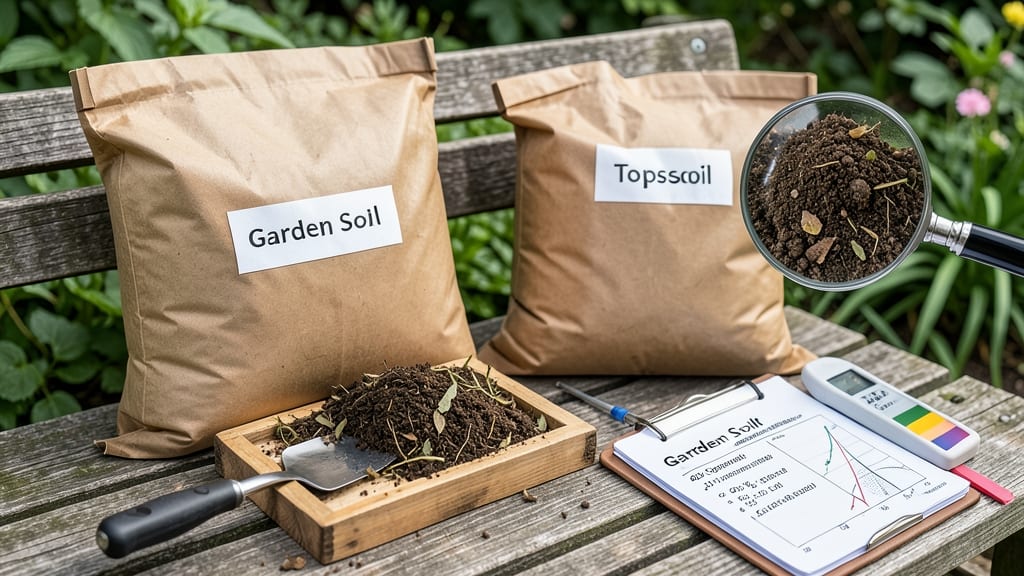
Garden soil and topsoil are not the same thing: topsoil is the nutrient-rich upper layer of earth naturally found in gardens, while garden soil blends topsoil with compost, sand, or other amendments for improved plant growth and drainage.
Topsoil is nature's original planting medium—the topmost layer of soil where plants naturally grow, packed with organic matter and microorganisms. 🌱 Meanwhile, garden soil is a custom mix designed to address specific needs, like improving drainage or adding nutrients for heavy feeders like tomatoes.
Think of topsoil as the foundation and garden soil as the premium upgrade for your plants.
For example, if you're filling a raised garden bed, topsoil alone may not provide enough nutrients for long-term growth. That's where garden soil comes in—it's often enriched with compost or perlite to create the perfect balance for vegetables or flowers.
I always recommend testing your soil first to determine what amendments it needs.
Another key difference is texture: topsoil varies widely depending on location, while garden soil is formulated to be consistently well-draining and aerated. This makes garden soil ideal for container gardening where you need precise control over growing conditions.
💡 In This Article
- Topsoil vs Garden Soil: Composition and Soil Science
- Choosing Between Topsoil and Garden Soil for Your Plants
Topsoil vs garden soil: composition and soil science
At its core, topsoil is a natural product formed over centuries through the decomposition of organic materials like leaves, plants, and animal matter. This layer typically contains 5-10% organic matter and is teeming with beneficial microbes that break down nutrients into forms plants can absorb.
The texture varies dramatically—some topsoil is sandy and drains quickly, while others are clay-heavy and retain moisture like a sponge. This natural variation makes topsoil excellent for establishing new lawns or filling large garden areas where plants can adapt to local conditions.
Garden soil, on the other hand, is a carefully engineered product designed to optimize growing conditions. It often blends topsoil with 20-40% compost or other amendments like perlite (for aeration) and vermiculite (for moisture retention).
For example, a bag of premium garden soil might contain 60% topsoil, 25% compost, 10% perlite, and 5% worm castings—a formula that creates ideal porosity for root growth.
The key difference is consistency: garden soil maintains uniform texture and nutrient levels, while topsoil can vary wildly depending on its source.
Nutrient density is another critical distinction. Topsoil provides a baseline level of nutrients, but its fertility depends on local conditions—urban topsoil might be depleted from years of foot traffic, while rural topsoil could be rich from natural decay.
Garden soil, however, is often fortified with slow-release fertilizers or mycorrhizal fungi to boost plant health from day one. This makes it particularly valuable for container gardening, where nutrients are quickly depleted.
The science of soil structure also plays a role. Topsoil's natural composition can lead to compaction over time, especially in clay-heavy areas, which restricts root growth. Garden soil addresses this by incorporating materials like coconut coir or peat moss that improve aeration.
For instance, adding 1 part sand to 3 parts garden soil can transform heavy clay into a crumbly, workable medium perfect for root vegetables like carrots or potatoes.
Consider this real-world example: When I planted a vegetable garden in my backyard, I started with 6 inches of topsoil for the base layer to establish drainage. Then I amended it with 2 inches of garden soil mixed with compost to create the planting zone.
The topsoil provided the structural foundation, while the garden soil gave my tomatoes and peppers the nutrient-rich environment they needed to thrive. 🌱
One final scientific note: The microbial ecosystem differs dramatically between the two. Topsoil contains a broad spectrum of native microbes adapted to local conditions, while garden soil often includes beneficial bacteria and fungi specifically chosen to support plant growth.
This microbial boost is why garden soil can help plants establish faster, even in challenging conditions.