
Planting
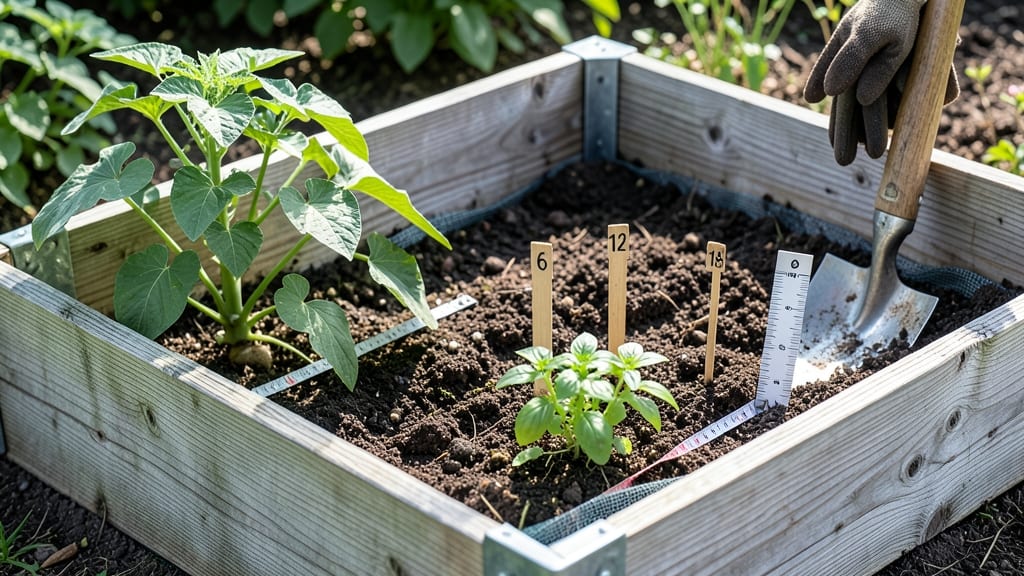
To determine how deep a raised garden bed needs to be, aim for at least 6 to 12 inches for most vegetables, with deeper beds (12 to 18 inches) ideal for root crops like carrots or potatoes. Shallow beds (6 inches) work for leafy greens and herbs, while taller plants may require extra depth for full growth.
A raised garden bed's depth directly impacts root development and nutrient access. 🌱 For instance, deep-rooted vegetables like tomatoes or carrots need 12-18 inches of soil to establish strong roots, while shallow-rooted herbs like basil thrive in just 6 inches.
The extra depth also prevents roots from hitting hardpan or competing with weeds. I've found that adding compost-rich soil at the bottom creates an ideal growing environment for all plants, regardless of their root length.
When planning your bed, consider the plant's mature height and root system. For example, potatoes need 12-18 inches to accommodate their expanding tubers, while lettuce can grow well in just 6 inches.
Urban gardeners often use vertical space by stacking beds, but always ensure the bottom layer has enough depth for the deepest-rooted plants you're growing.
💡 In This Article
- Root Depth Requirements for Different Vegetables
- Building the Perfect Raised Garden Bed for Root Crops
Root depth requirements for different vegetables
Root depth isn't just about how far down a plant's roots grow—it's about creating the right soil volume for nutrient access and stability. 🌱 Deep-rooted vegetables like carrots and parsnips need 12-18 inches of loose, well-draining soil because their roots grow vertically to reach water and nutrients below the surface.
Shallow-rooted plants, such as lettuce or basil, only need 6 inches because their roots spread horizontally near the surface, absorbing nutrients from the topsoil layer.
The science behind this lies in how roots explore soil. Deep-rooted plants develop a taproot system that can extend far below the surface, while shallow-rooted plants rely on a fibrous root network that spreads out.
For example, a mature tomato plant can have roots extending 24-36 inches deep, but it thrives in a 12-inch bed because that's where most of its nutrient uptake occurs. The extra depth in deeper beds also prevents roots from hitting compacted soil or hardpan layers that restrict growth.
Soil volume matters because it determines how much water and nutrients a plant can access. A 12-inch bed provides enough space for root crops to develop fully, while a 6-inch bed works for leafy greens because their roots don't need to penetrate as deeply.
For instance, radishes mature quickly and only need 6-8 inches of soil, but if you plant them in a shallower bed, their roots may become stunted or forked due to lack of space.
Plant maturity also influences bed depth needs. Fast-growing vegetables like spinach or arugula can thrive in 6 inches of soil, but if you're growing them for an extended harvest, deeper beds help sustain their growth.
Meanwhile, slower-growing root vegetables like potatoes or beets require deeper beds to accommodate their expanding tubers. I've noticed that in 6-inch beds, potatoes often produce smaller yields because their tubers can't fully develop without adequate space.
Another factor is soil composition. Loose, well-aerated soil allows roots to penetrate more easily than dense, compacted soil. For example, sandy soil drains quickly but may not hold enough nutrients, while clay soil can suffocate roots if not amended with organic matter.
Adding a layer of compost at the bottom of your raised bed improves drainage and nutrient availability, making the soil more forgiving for plants with varying root depths.
Consider this comparison: a 6-inch bed works perfectly for herbs like thyme or oregano, while a 12-inch bed is ideal for tomatoes or peppers. If you're growing a mix of plants, prioritize the deepest-rooted ones and place them in the center of the bed, where they have the most space.
For urban gardeners with limited space, you can create tiered beds or use containers with at least 12 inches of depth for root crops.