
Watering
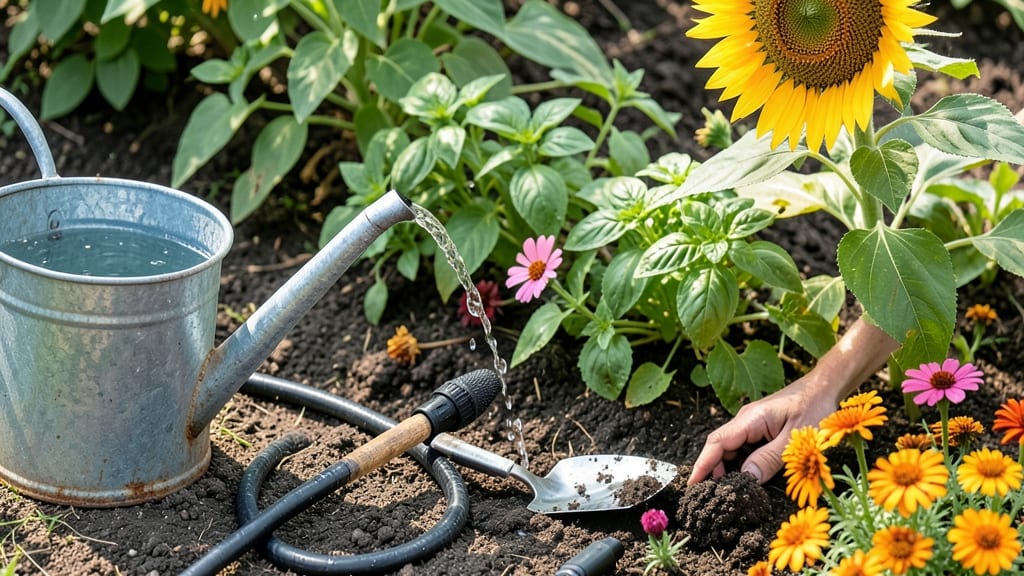
To water your garden the right way, you need to know how often each plant craves moisture—not just when the soil feels dry.
Here’s the hard truth: overwatering kills more plants than drought, yet most gardeners guess their schedule instead of using science-backed timing. Whether you’re growing vegetables, flowers, or herbs, the answer isn’t one-size-fits-all.
In this guide, I’ll break down the exact watering frequency for your General Garden Plants 🌱—from deep-rooted perennials to thirsty seedlings—plus how to adjust for soil type, season, and even your local climate. No more wasted water or wilted leaves.
You’ll learn the 3 signs you’re watering wrong, how to check soil moisture like a pro, and when to cut back in fall or ramp up in summer. Let’s make your garden work smarter, not harder.
Plant-specific watering frequency: the science behind ideal moisture levels
Watering your garden isn't a one-size-fits-all task—each plant has unique root depth and moisture needs that determine its survival. Vegetables like lettuce need consistent dampness, while succulents thrive on neglect.
Understanding these differences saves water and prevents root rot or wilting. The key lies in matching your watering schedule to a plant's natural growing conditions and soil type.
Most gardeners overestimate how often plants need water, leading to wasted resources. For example, tomatoes require 1-2 inches of water weekly, while lavender only needs water every 2-3 weeks. The science behind these intervals involves root zone saturation and evaporative loss—factors that vary wildly between plant families.
Let's break down the ideal moisture levels for your garden's most common residents.
| Plant Type | Water Frequency | Root Depth | Soil Moisture Goal | Seasonal Adjustments |
|---|---|---|---|---|
| Leafy Greens (Lettuce, Spinach) | Every 2-3 days (daily in heat) | Shallow (6-12 inches) | Consistently moist | Increase by 50% in summer |
| Herbs (Basil, Cilantro) | Every 3-4 days | Moderate (12-18 inches) | Even moisture | Reduce to every 5 days in fall |
| Fruiting Plants (Tomatoes, Peppers) | Every 5-7 days (deep water) | Deep (18-24 inches) | 1-2 inches per week | Increase to 3x/week in drought |
| Drought-Tolerant (Succulents, Lavender) | Every 2-3 weeks | Very shallow (3-6 inches) | Dry between waterings | Skip winter watering |
| Trees/Shrubs (Newly Planted) | Every 7-10 days (deep soak) | Extensive (24+ inches) | Deep saturation | Reduce to bi-weekly after 1 year |
Your soil type plays a massive role in watering frequency—clay soil holds moisture longer than sandy soil, which drains quickly. For example, tomatoes in clay might only need water every 10 days, while the same plant in sand requires weekly attention.
Always check moisture 2 inches below the surface—this is where most plant roots thrive. Use your finger as a gauge: if it feels dry, it's time to water.
Seasonal shifts demand adjustments to your routine. During summer heat, increase frequency by 30-50% and water early in the morning to prevent evaporation. In spring and fall, reduce to every 5-7 days as temperatures drop.
Winter usually requires minimal watering unless you're growing winter greens like kale, which need occasional hydration. Always mulch around plants to retain moisture and reduce frequency needs.
New gardeners often overlook the signs of proper hydration. Healthy plants have turgid leaves (firm, not limp) and vibrant green color. Yellowing leaves or wilting often signal underwatering or overwatering. For vegetables like cucumbers, drooping leaves mean it's time to water immediately.
Meanwhile, mushroom growth at the soil surface indicates you're overdoing it. The goal is consistency without excess—never let plants sit in soggy soil.
For container gardens, watering needs change dramatically. Potted plants dry out 2-3x faster than in-ground plants because containers have limited root space. Check
How to check soil moisture correctly: 3 signs you're watering wrong
Most gardeners water based on guesswork—like sticking to a weekly schedule or eyeballing dry soil. But overwatering causes root rot just as fast as underwatering causes wilting. The key? Learning to read your soil's true moisture level before reaching for the hose.
I've made this mistake with my tomato plants—yellowing leaves that looked thirsty were actually drowning in soggy soil.
Instead of relying on a calendar, use these three soil moisture tests to water only when your plants truly need it. These methods work for container gardens, raised beds, and in-ground planting. The first step? Stop watering on a schedule and start listening to your soil.
✅ DO: Water deeply 1-2x per week (encourages deep roots)
❌ DON'T: Light daily sprinkles (creates shallow roots and fungal risks)
✅ DO: Check soil moisture before watering (save water + prevent rot)
❌ DON'T: Water based on time—plants need moisture, not a schedule
✅ DO: Water in the morning (reduces evaporation and disease)
❌ DON'T: Water at night (promotes fungal growth in humid conditions)
Start with the finger test, the simplest way to check moisture. Stick your index finger about 1-2 inches deep into the soil. If it feels dry at this depth, it's time to water.
For container plants, go deeper—2-3 inches—to match their root depth. My herb pots often need water when the topsoil looks dry, but the roots are still happy.
Next, try the weight check for container gardens. Lift your pot—if it feels light, the soil is dry. A heavy pot usually means it's still moist. This works best for small containers where you can easily assess weight.
I use this method for my potted basil, which wilts dramatically when thirsty but recovers quickly with proper hydration.
Finally, watch for visual cues beyond wilting. Yellowing leaves often signal overwatering, while crispy edges mean underwatering. But here's the catch: wilting doesn't always mean thirst.
Some plants, like succulents, naturally wilt during the day and perk up at night. Always check the soil first before watering wilted plants.
Remember, healthy soil is crumbly and moist but not soggy. If you're unsure, err on the side of less water—most plants recover faster from dryness than from rot.
The goal is consistent moisture, not a swampy mess or bone-dry dirt. Your plants will thank you with stronger growth and fewer problems.