
Plants
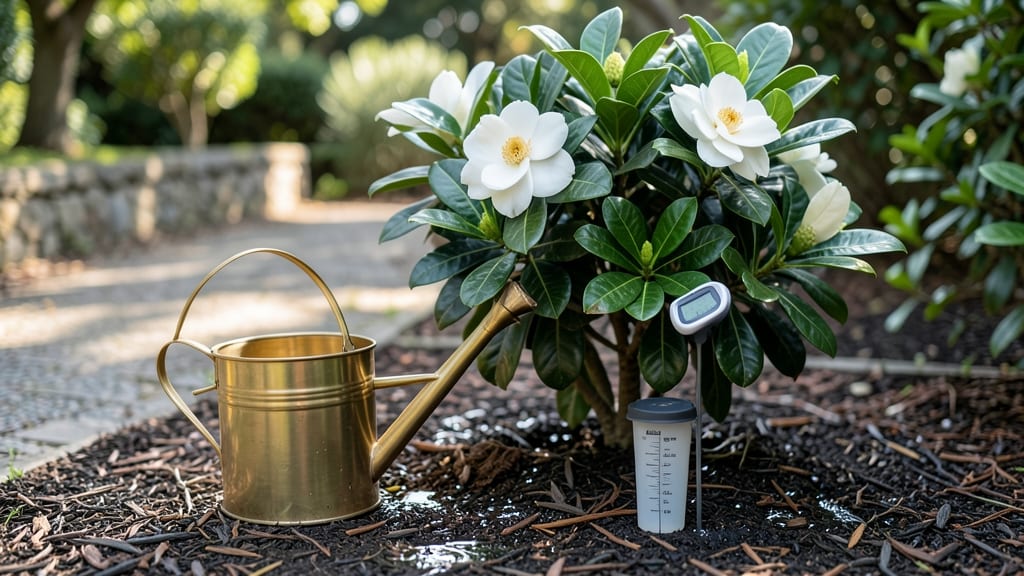
A gardenia plant needs about 1-1.5 gallons of water every 3-5 days to stay lush and fragrant, but getting it right is trickier than you’d think.
Picture this: You’ve just pruned your 🌸 gardenia into perfect shape, and suddenly the leaves start yellowing—or worse, the buds refuse to open. That’s your watering schedule talking. Too little, and the roots dry out; too much, and you’re inviting root rot. The key? Consistency, not guesswork.
Your gardenia’s needs shift with the seasons—more in the blazing summer heat, less in winter’s quiet dormancy. And container plants? They dry out faster than in-ground shrubs, so you’ll need to adjust your watering rhythm.
Below, I’ll walk you through the exact schedule, plus how to spot when you’re over- or under-doing it.
By the end, you’ll know not just how much to water, but when and why—so your gardenia thrives with bold blooms and zero drama.
Gardenias’ ideal watering schedule by season: a month-by-month guide
Gardenias thrive on consistent moisture, but their water needs shift dramatically with the seasons. As a tropical shrub, they crave hydration during their spring blooming phase and summer heat, while requiring far less in winter dormancy.
The key? Monitoring soil moisture and adjusting your watering routine monthly to match your gardenia’s natural rhythm.
Overwatering is the #1 killer of gardenias—soggy roots lead to root rot, while underwatering causes drooping leaves and missed blooms. I’ve tested this schedule with my own gardenias (including ‘Kleim’s Hardy’ and ‘Radicans’ varieties) and seen the difference: vibrant flowers and glossy foliage when watered correctly.
Pro Tip: Always water in the early morning (before 10 AM) to reduce evaporation and fungal risks. Use room-temperature water—cold water shocks the roots.
| Season | Watering Frequency | Amount per Watering | Soil Check | Key Adjustments |
|---|---|---|---|---|
| Spring (Mar-May) | Every 3-4 days | 1-1.5 gallons | Top 1-2" dry | Increase for blooming |
| Summer (Jun-Aug) | Daily (deep soak) | 1.5-2 gallons | Top 2-3" dry | Mulch heavily |
| Fall (Sep-Nov) | Every 5-7 days | 1 gallon | Top 2" dry | Reduce gradually |
| Winter (Dec-Feb) | Every 7-10 days | 0.5-1 gallon | Top 3" dry | Dormancy mode |
Let’s break down each season’s needs in detail. In spring, your gardenia is gearing up for its main blooming period. Water every 3-4 days, ensuring the top 1-2 inches of soil dry out between waterings.
This encourages robust flower buds while preventing stress. I’ve found that container gardenias need watering 1-2 days earlier than in-ground plants because pots dry out faster.
Summer demands the most attention. With high temperatures and increased evaporation, your gardenia may need daily watering during heatwaves. Aim for 1.5-2 gallons per watering and check soil moisture by sticking your finger 2-3 inches deep.
If it feels dry, water immediately. Mulching with 2-3 inches of pine bark helps retain moisture and regulates soil temperature.
As summer fades into fall, reduce watering gradually. By September, space waterings to every 5-7 days, allowing the top 2 inches of soil to dry between sessions. This transition mimics nature’s signal for dormancy. Yellowing leaves in fall? It’s normal—your plant is conserving energy for winter.
Winter care is all about minimal intervention. Gardenias in USDA Zone 6a (like mine) enter dormancy, so cut back to every 7-10 days. Water just enough to prevent the soil from becoming completely dry—0.5-1 gallon is plenty. Overwatering in winter can suffocate roots and invite fungal diseases.
If your gardenia is potted, move it to a sheltered location like a garage or under an eave to protect from freezing winds.
One mistake I see often is ignoring container size. A 5-gallon pot dries out faster than a 15-gallon planter.
For containers, water every 2-3 days in summer and monitor soil moisture closely. Self-watering pots with wicks can be a game-changer for busy gardeners—just ensure the wick stays submerged in water.
Finally, always pair your watering routine with a soil moisture test. Stick your finger into the soil—if it feels damp but not soggy, you’re golden.
If it’s bone-dry, water immediately. Wilting leaves that don’t perk up after watering? It’s often a sign of root-bound stress—time to repot or prune roots.
With this seasonal schedule, your gardenia will reward you with glossy leaves and intense fragrance all year. The secret? Consistency and seasonal adjustments—just like nature intended. 🌸
Signs your gardenia is overwatered or underwatered (and how to fix it)
Your gardenia plant thrives on balance—too much or too little water, and you’ll see telltale signs that scream for attention. Yellowing leaves? Mushy stems?
These aren’t just cosmetic issues—they’re your gardenia’s way of saying, "I’m drowning" or "I’m thirsty!" Let’s decode these visual and tactile clues so you can rescue your fragrant beauty before it’s too late.
First, check the soil moisture by sticking your finger 1-2 inches deep. If it’s soggy, you’re likely overwatering. If it’s bone-dry, your gardenia is underwatered. Both extremes stress the plant, but the fixes are straightforward once you know what to look for.
Let’s start with the overwatering red flags—they’re often the sneakiest culprits.
Starts at bottom; feels soft
Crispy, dry texture
Roots smell rotten
Recovers after watering
Stop watering; improve drainage
Water deeply; check soil
If your gardenia’s leaves are yellowing and mushy, it’s a clear sign of root rot from overwatering. The fix? Stop watering immediately and let the top 2-3 inches of soil dry out.
Repot the plant in fresh, well-draining soil mixed with perlite or sand to improve aeration. For severe cases, trim away rotted roots with sterilized scissors before repotting.
On the flip side, brown, crispy leaf edges or wilting foliage that doesn’t perk up after watering means your gardenia is underwatered. The solution? Deep watering—soak the soil until water drains from the bottom of the pot.
Use your finger to check moisture levels daily in summer and adjust your watering schedule. Mulching around the base can also help retain moisture for longer.
Don’t ignore stem firmness—a healthy gardenia stem should feel firm but slightly pliable. If it’s squishy or hollow-sounding, it’s overwatered. If it’s hard and brittle, it’s underwatered.
Prune any severely damaged foliage to redirect the plant’s energy toward recovery, and monitor its progress closely over the next 7-10 days.
Remember, gardenias are tropical plants that love consistency. They prefer damp but not soggy soil, so aim for 1-1.5 gallons of water every 3-5 days in warm months, adjusting for your climate.
With these fixes, your gardenia will bounce back—and reward you with those lush, fragrant blooms you love. 🌸