
Size
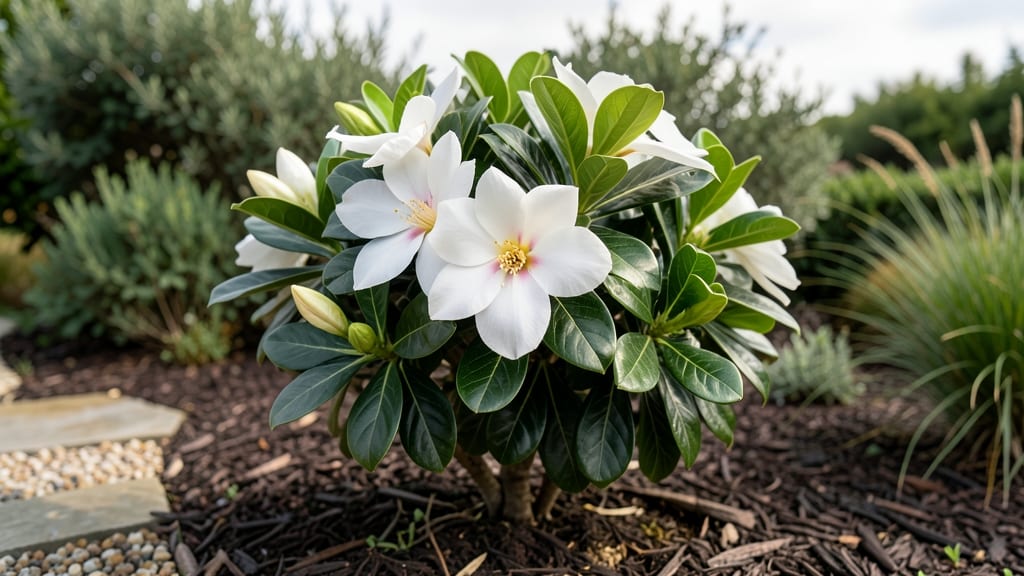
Gardenias grow between 2 and 6 feet tall, depending on the variety and growing conditions, so knowing their mature size helps you plan your garden layout.
If you're dreaming of fragrant gardenias blooming in your garden but wonder how much space they’ll need, you’re not alone—many gardeners hesitate before planting these tropical beauties due to size concerns.
Most gardenias are medium-sized shrubs, with some varieties staying compact at just 1-2 feet while others reach towering heights of 6 feet or more. Their growth habits also vary, from bushy and rounded to upright and leggy, which affects how they fit into your landscape.
In this guide, I’ll break down gardenia sizes by variety, share tips for managing their growth, and help you choose the perfect plant for your space—whether you have a cozy patio or a sprawling backyard.


Gardenia mature size by variety: height and spread guide
Choosing the right gardenia variety depends on your space—whether you have a cozy patio or a sprawling backyard. Gardenias come in dwarf, semi-dwarf, and standard sizes, each with distinct growth habits.
The most popular type, Gardenia jasminoides, typically matures between 4-6 feet tall and 3-5 feet wide, but some varieties stay compact. Let’s explore the specifics so you can pick the perfect fit for your garden.
Understanding mature size helps avoid overcrowding or underutilized space. For example, dwarf gardenias like 'Radicans' max out at 1-2 feet tall, making them ideal for containers or small gardens.
Meanwhile, standard varieties like 'Kleim's Hardy' can reach 6 feet tall and need room to spread. Knowing these dimensions ensures your gardenia thrives without outgrowing its home.
Here’s a quick reference for height and spread by variety, including growth habits like upright or bushy forms. This will help you visualize how each type fits into your landscape.
| Variety | Mature Height | Mature Spread | Growth Habit | Best For |
|---|---|---|---|---|
| Gardenia jasminoides (Standard) | 4-6 ft | 3-5 ft | Upright, bushy | Backyards, borders |
| Gardenia radicans (Dwarf) | 1-2 ft | 2-3 ft | Trailing, compact | Containers, patios |
| Gardenia augusta (Semi-Dwarf) | 2-3 ft | 2-4 ft | Bushy, rounded | Small gardens, hedges |
| Kleim's Hardy (Cold-Hardy) | 5-6 ft | 4-5 ft | Upright, vigorous | Northern climates, large gardens |
| Fortuniana (Large-Flowered) | 3-5 ft | 3-4 ft | Bushy, dense | Specimen plants, focal points |
The Gardenia jasminoides is the most common variety, often grown as a shrub with a bushy form. Its 4-6 foot height and 3-5 foot spread make it perfect for backyard borders or privacy screens.
If you’re short on space, opt for 'Radicans', a dwarf variety that trails beautifully in hanging baskets or window boxes. This type stays under 2 feet tall but can spread 3 feet wide, ideal for patio containers.
For small gardens or urban spaces, semi-dwarf varieties like Gardenia augusta are a great compromise. They reach 2-3 feet tall and 2-4 feet wide, offering fragrant blooms without overwhelming your layout. These types also work well as hedges or foundation plantings along walkways.
If you’re in a cooler climate, Kleim's Hardy is a cold-hardy option that grows 5-6 feet tall but tolerates USDA Zone 6 and below.
If you love large, showy blooms, Gardenia fortuniana is a stunning choice. This variety matures at 3-5 feet tall and 3-4 feet wide, producing oversized flowers that make it a specimen plant.
It’s perfect for garden focal points or cutting gardens. Just ensure it has enough space to avoid overcrowding, which can reduce flower production.
One of the biggest mistakes I see is assuming all gardenias grow into large shrubs. While standard varieties can reach 6 feet tall, dwarf types like 'Radicans' stay under 2 feet.
Always check the mature size before planting, especially if you’re working with containers or small garden beds. A good rule of thumb: leave 3-4 feet of clearance around each plant for airflow and future growth.
Gardenias also respond well to pruning, which can help control their size. If your plant starts to outgrow its space, prune back overgrown branches in late winter or early spring before new growth begins. This keeps the plant compact and
How gardenia growth habits affect planting choices
When planning your garden, understanding gardenia growth habits is key to choosing the right planting method. These tropical shrubs can become 4-6 feet tall with a similar spread, but their growth rate and final size depend heavily on where and how you plant them.
In containers, gardenias stay more compact, while in-ground plantings often reach their full potential. Your sunlight exposure and pruning routine also play major roles in controlling their size over time.
For urban gardeners or small yards, container gardening offers the best control. Gardenias thrive in 15-20 gallon pots with proper drainage, allowing you to keep them at 2-3 feet tall through regular pruning.
In-ground plantings, however, give gardenias the freedom to spread naturally, which is ideal for larger landscapes where their fragrant blooms can shine. The trade-off? More maintenance to manage their height and shape.
🌱 Container Gardening vs. In-Ground Planting
✅ Container Gardening
- Pros: Controls size, mobile, ideal for patios
- Cons: Needs frequent watering, root-bound risk
❌ In-Ground Planting
- Pros: Natural growth, less maintenance
- Cons: Harder to control size, needs pruning
Your sunlight exposure directly impacts how tall your gardenia grows. While they prefer partial shade (3-6 hours of sun daily), too much direct sunlight can stress the plant, leading to slower growth and fewer blooms.
In shadier conditions, gardenias grow more slowly but develop denser foliage. If you're in a hot climate, morning sun with afternoon shade is perfect—this balance helps maintain a healthy growth rate without stunting the plant.
Pruning is your best tool to manage gardenia size, especially if you're working with limited space. I recommend pruning right after flowering to encourage bushier growth and prevent legginess. Use sterilized shears to trim back overgrown branches by 1/3 of their length, focusing on shaping rather than drastic cuts.
Regular pruning keeps your gardenia at a manageable height while promoting more fragrant blooms throughout the season.
For small gardens or urban spaces, consider dwarf gardenia varieties like 'Kleim's Hardy' or 'Radicans,' which stay under 2 feet tall. These varieties are perfect for containers or foundation plantings where space is limited.
Even with dwarf types, monitor their growth and prune lightly to maintain their compact shape. The key is balancing their natural growth habits with your garden's layout to create a harmonious, fragrant display.
Remember, gardenias are sensitive to their environment, so always plant them in well-draining, acidic soil (pH 5.0-6.0). Whether you choose containers or in-ground planting, these tips will help you manage their size while enjoying their intoxicating scent all season long.
With the right care, your gardenia will thrive—no matter how much space you have to work with! 🌿