
How To
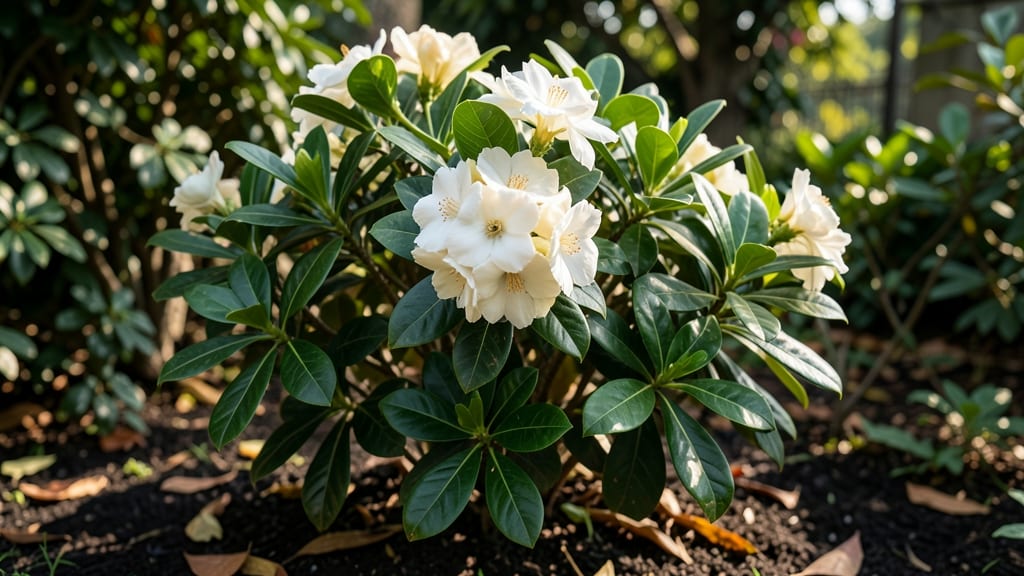
How tall do gardenias grow? They typically reach between 4 and 6 feet at maturity, though dwarf varieties stay as short as 2 to 3 feet—making them perfect for small gardens or containers.
If you’re dreaming of fragrant, glossy gardenias but unsure whether they’ll fit your garden’s height requirements, you’re not alone—many gardeners overlook how dramatically size varies by variety.
Standard gardenias like Radicans or Fortuniana reach their full height in 3 to 5 years, while compact types like Dwarf Gardenia stay manageable even in tight spaces.
In this guide, I’ll break down height expectations by variety, share pruning tips to control growth, and explain how sunlight and soil affect how tall your gardenia 🌸 will become.


Gardenia shrub height guide by popular varieties (with mature size expectations)
Choosing the right gardenia variety means understanding their mature heights and growth habits first. Some varieties stay compact enough for container gardening, while others reach small tree proportions—each with unique fragrance intensity and bloom size.
The key to happy gardenias lies in matching their natural size to your space while providing the right sunlight exposure and soil moisture.
For small gardens or patio containers, dwarf varieties like 'Radicans' or 'Kleim's Hardy' top out at just 2-3 feet, making them perfect for foundation plantings or balcony displays.
Meanwhile, standard varieties like 'Mystery' or 'Veitchii' can soar to 6 feet or taller, needing space to spread their glossy foliage and massive blooms. Let’s break down the most popular types and their ideal spacing for full bloom potential.
When planning your garden layout, always account for both height and spread. For example, the 'Jubilee' variety—with its 6-8 foot height—needs ample room to avoid
How to control gardenia height: pruning tips for compact growth
If your gardenias are reaching for the sky when you’d prefer a more manageable size, pruning is your secret weapon. Gardenias naturally grow between 3 to 6 feet, but with strategic cuts, you can shape them into compact bushes or even small trees.
The key lies in timing, technique, and avoiding common mistakes that lead to leggy growth or stunted blooms.
Before grabbing your shears, remember: pruning encourages new growth, which means more flowers—but only if done correctly. Standard varieties like 'Radicans' or 'Kleim's Hardy' can easily be trimmed to stay under 4 feet with proper care.
For dwarf types like 'Prosperine', pruning keeps them tidy at 2 to 3 feet.
Now, let’s cut to the chase—literally. Follow these step-by-step pruning instructions to maintain your ideal gardenia height while keeping those fragrant blooms coming.
-
Step 1: Choose the Right Time
Prune right after flowering (late summer to early fall) to avoid cutting off next year’s buds. Never prune in spring—this removes potential bloom sites. -
Step 2: Gather Your Tools
Use clean, sharp pruners (sterilized with rubbing alcohol) and bypass shears for thicker stems. Avoid dull tools—ragged cuts invite disease. -
Step 3: Identify Target Branches
Remove crossing or rubbing branches first. Then, cut back overgrown stems to just above a leaf node (where new growth emerges). Aim to reduce height by no more than 1/3 per year. -
Step 4: Shape for Bushiness
To encourage fuller growth, trim back the tips of outer branches at a 45-degree angle. This promotes lateral shoots, creating a denser, more compact shrub. -
Step 5: Clean Up
Remove all pruned branches and sterilize tools again. Dispose of clippings in the trash (not compost)—gardenias are prone to fungal diseases like powdery mildew. -
Step 6: Post-Pruning Care
Water deeply and apply a balanced fertilizer (10-10-10) to support new growth. Mulch around the base to retain moisture and protect roots.
One of the biggest mistakes gardeners make is pruning too late in the season. Cutting back in fall or winter leaves no time for new growth to harden off before cold weather, which can weaken the plant.
Another pitfall? Over-pruning—if you remove more than 1/3 of the plant at once, you risk stressing it and reducing next year’s flowers.
For a tree-like shape, select one central leader and remove competing branches. If you prefer a bushy hedge, prune evenly all around. Just remember: patience is key.
Gardenias respond best to gradual shaping over time, not drastic cuts. With consistent pruning, you’ll enjoy compact, blooming shrubs that fit perfectly in your garden design.
Now that you’ve mastered the art of pruning, your gardenias will stay at your desired height while still putting on a fragrant, flower-filled show—without taking over your space. Happy trimming! ✂️🌸