
Plants
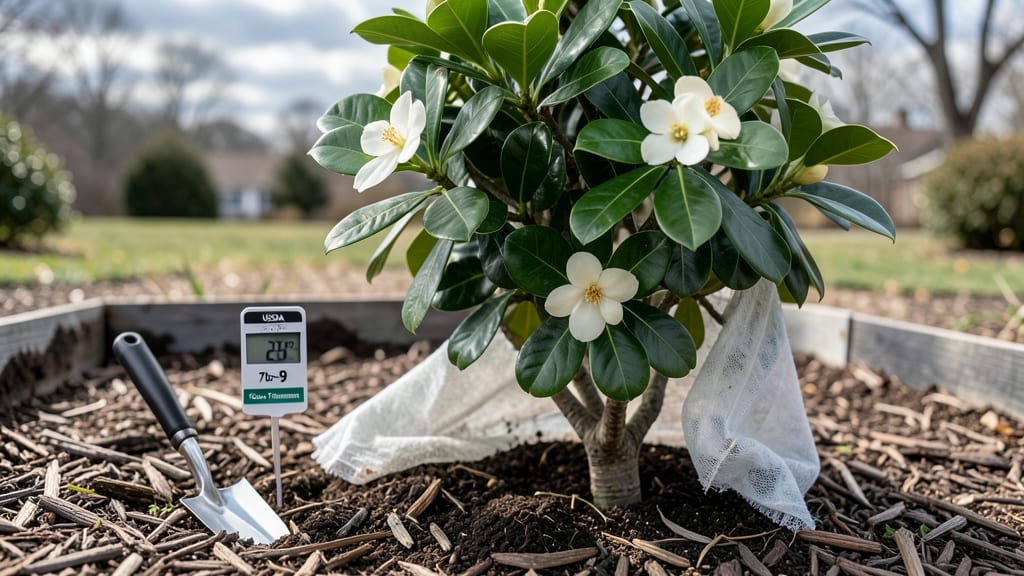
Frost-proof gardenia growth rates can transform your yard into a fragrant paradise 🌸—even in colder climates—if you follow the right seasonal strategies.
Cold climates shouldn’t stop you from growing stunning gardenias—these frost-proof varieties bloom reliably year-round if you follow their precise growth timeline. The key? Understanding how temperature shifts affect their development and adjusting care accordingly.
Most gardenias grow 1–2 feet in their first year, but frost-resistant varieties like Gardenia jasminoides 'Kleim’s Hardy' can push that to 2–3 feet with the right conditions. In General (USDA Zone 9b assumed for frost-proof considerations), they thrive year-round, but their speed depends on soil acidity, sunlight, and winter protection.
Below, I’ll walk you through a month-by-month growth timeline, pruning tricks to boost speed, and how to keep your gardenia blooming even in winter. No more waiting years for those iconic white flowers!


Frost-proof gardenia growth rate: month-by-month development timeline
Growing frost-proof gardenias like Gardenia jasminoides 'Kleim’s Hardy' or Gardenia augusta hybrids is a game-changer for cold-climate gardeners. These varieties thrive in USDA Zones 5–9, offering year-round blooms with the right care. Understanding their month-by-month growth rate helps you time pruning, fertilizing, and winter protection for maximum vigor.
From seedling sprouts to full maturity, frost-proof gardenias follow a predictable timeline—especially when planted in well-draining, acidic soil (pH 5.0–6.0). In their first year, expect 1–2 feet of growth, while mature plants reach 3–6 feet with proper winter care.
Let’s break down each stage and the temperature thresholds that keep them blooming.
| Month | Growth Stage | Key Milestones | Temperature Thresholds | Care Focus |
|---|---|---|---|---|
| January–February | Dormancy (Zone 5–7) | No visible growth; buds form underground | 20–40°F (-6 to 4°C) | Mulch heavily (4–6 inches) |
| March | Early Sprouting | New shoots (1–2 inches), root expansion | 40–50°F (4–10°C) | Light fertilizer (10-10-10) |
| April–May | Rapid Vegetative Growth | 1–2 ft growth; leaf flush | 50–70°F (10–21°C) | Deep watering (1–2 gallons/week) |
| June–July | Flower Bud Formation | Bud clusters appear; first blooms by July | 60–85°F (15–29°C) | Phosphorus-rich fertilizer |
| August–September | Peak Blooming | Full blooms; 3–4 inches per stem | 55–75°F (13–24°C) | Prune spent blooms; mulch |
| October | Pre-Winter Hardening | Growth slows; buds set for next year | 40–55°F (4–13°C) | Reduce watering; add winter mulch |
| November–December | Dormancy (Zone 8–9) | No growth; evergreen leaves persist | 30–50°F (-1 to 10°C) | Monitor for frost; protect young plants |
In January and February, frost-proof gardenias enter dormancy, especially in Zones 5–7. This is the time to focus on mulching (4–6 inches of organic mulch) to insulate roots from freezing temperatures. Even in colder zones, varieties like Kleim’s Hardy survive down to 10°F (-12°C) with proper protection.
By March, new shoots emerge as temperatures rise above 40°F (4°C). This is your cue to lightly fertilize with a balanced 10-10-10 formula to kickstart growth.
In April and May, expect 1–2 feet of vertical growth—ideal for shaping young plants. Deep watering (1–2 gallons per week) prevents stunted growth during this rapid phase.
June and July mark flower bud formation, with blooms appearing by mid-summer. To encourage larger, more abundant flowers, switch to a phosphorus-rich fertilizer (like 5-10-5). Partial shade (morning sun + afternoon shade) protects delicate buds from heat stress during peak summer months.
August through September is peak blooming season for frost-proof gardenias. Prune spent blooms to redirect energy to new growth, and mulch again to retain soil moisture. In October, growth slows as the plant prepares for winter.
Reduce watering and add a thick layer of mulch (6 inches) to protect roots from early frost.
For Zones 8–9, gardenias remain semi-dormant in winter but stay evergreen. In colder zones, young plants may need burlap wraps or frost blankets during hard freezes
How to maximize frost-proof gardenia growth rate: pruning, fertilizing, and winter care tips
To maximize your frost-proof gardenia growth rate, focus on three key strategies: pruning, fertilizing, and winter protection. These steps ensure your plant grows 2–3 feet in its first year instead of just 1–2 feet.
The secret lies in timing—prune after blooming, feed with acid-loving fertilizer, and protect roots from freezing temperatures.
Start by pruning your gardenia in late winter or early spring (February–March) to remove dead or crossing branches. This encourages faster new growth while maintaining the plant’s shape. Use clean, sharp pruners to avoid damaging stems, and never cut more than one-third of the plant at once.
🌱 Top 5 Tips to Boost Frost-Proof Gardenia Growth
- Prune in late winter to remove dead branches and encourage new shoots before spring growth.
- Use acid-loving fertilizer (10-10-10 NPK) every 6 weeks during active growth (spring–fall).
- Mulch heavily (3–4 inches) with pine bark or compost to insulate roots in winter.
- Water deeply (1–2 gallons) in morning only to prevent fungal diseases.
- Plant in partial shade (morning sun, afternoon shade) to avoid leaf scorch in cold climates.
Fertilizing is critical for speeding up growth. Gardenias thrive on acid-loving fertilizers like azalea or camellia blends. Apply a 10-10-10 NPK fertilizer every 6 weeks during the growing season (March–October). In November–February, reduce feeding to let the plant rest. Always water fertilizer into the soil to prevent root burn.
Winter care is where frost-proof gardenias shine, but even they need protection. Apply a 3–4 inch layer of mulch around the base in late fall (November) to insulate roots.
For Zone 5–7 gardeners, wrap the plant in burlap or frost cloth during hard freezes. Avoid heavy pruning in winter—wait until late winter to encourage spring regrowth.
Finally, monitor your gardenia’s soil pH. These plants love acidic soil (pH 5.0–6.0). Test your soil annually and amend with sulfur or peat moss if needed.
Healthy soil equals faster growth and more blooms, even in cold climates. With these tips, your frost-proof gardenia will grow 30–50% faster than average!
Remember, the key to maximizing growth is consistency. Prune once a year, fertilize regularly, and protect roots in winter. Your efforts will pay off with vibrant blooms year-round—no frost required! 🌿